
Can Mold Cause Illness was Written by Dr. Diane Mueller
Mold is one of the causes of chronic inflammatory response syndrome.
Chronic Inflammatory Response Syndrome (CIRS), also known as biotoxin illness, is a condition characterized by a range of symptoms associated with prolonged exposure to toxins produced by microorganisms. One of the illnesses related to CIRS is mold illness, which mainly occurs due to exposure to mycotoxins released by fungi found in water-damaged buildings.
(Find out if a mold smell is enough to know if you have mold in your home. Read our Can you Smell Black Mold guide.)
Mold exposure can lead to a range of health issues, from mild allergies to chronic illnesses like Chronic Inflammatory Response Syndrome (CIRS).
Symptoms of mold illness often include fatigue, respiratory problems, brain fog, joint pain, mood swings, and hormonal imbalances, mimicking other conditions like Lyme disease or chronic fatigue syndrome.
Certain individuals, about 25% of the population, have a genetic predisposition that makes them more vulnerable to mold-related illnesses due to difficulty detoxifying mycotoxins.
Proper testing, such as urinary mycotoxin tests and HLA-DR genetic testing, is crucial for diagnosing mold illness and differentiating it from other health issues.
Functional medicine offers a comprehensive approach to treating mold illness, targeting root causes, reducing inflammation, and addressing environmental factors like mold remediation.
Preventing mold growth at home involves eliminating moisture, regularly maintaining ventilation systems, and using air purifiers or fungicidal coatings to keep mold spores in check.
Have Mold Illness or suspect you do?
We have helped thousands of people in Colorado, Wyoming, New Jersey, Pennsylvania, Texas, and Wisconsin restore their health and quality of life by diagnosing and treating their Mold Illness.
Mold, often found in damp places, can potentially make you sick. Mold illness, also known as mold toxicity, goes beyond an allergy and can cause widespread inflammation in the body.
Mold illness isn’t your typical sniffles-and-sneezes kind of condition. It’s rooted in mycotoxins, the toxins that molds release when they colonize damp spaces. Black mold is often found in water-damaged walls, moldy carpets, or even improperly ventilated bathrooms. These toxic compounds can trigger what’s called Chronic Inflammatory Response Syndrome (CIRS), a domino effect of inflammation which affects multiple systems in the body, disrupting everything from immunity to hormones.
It is often misdiagnosed since its symptoms resemble conditions like chronic fatigue syndrome or Lyme disease. Understanding mold and its effects helps you stay vigilant and avoid long-term health problems.

Mold illness, or mold toxicity, can be tricky to identify since its symptoms often mimic other conditions. If you’re feeling unwell without a clear cause, mold exposure might be to blame. Here are three main symptom categories to watch for.
Physical signs of mold illness can range from mildly irritating to downright debilitating:
Fatigue: Ever feel like no matter how much you sleep, it’s just not enough? Mold-related fatigue doesn’t fade with rest and can drain your energy daily.
Joint Pain and Muscle Cramps: Those random aches in your knees or tight calf muscles? They might not just be from overdoing it at the gym.
Headaches and Unusual Pain: Persistent headaches, pressure behind your eyes, or even jaw pain can all be linked to mold exposure.
Respiratory Issues: Think about frequent coughs, stuffy sinuses, or wheezing for no apparent reason. Mold spores irritate your airways like dust bunnies on steroids.
Temperature Regulation Issues: Oddly enough, things like night sweats and parched throats are telltale signs, too.
These symptoms worsen with prolonged mold exposure, making it crucial to keep track.
Mold illness doesn’t stop at your bod, it can mess with your brain too:
Memory and Focus Issues: Forget where you left your keys…again? Struggling with work tasks that used to be easy? Mold can cloud your thoughts with “brain fog” that’s as frustrating as it sounds.
Blurred Vision and Eye Problems: If screens feel extra harsh on your eyes or you tear up in bright light, mold might be messing with your vision.
Neurological Sensations: That weird tingling in your fingertips or metallic taste in your mouth isn’t imaginary. Mold’s mycotoxins can trigger mycotoxin illness —odd sensations that feel like your body’s playing tricks on you.
These neurological symptoms of mold exposure often go unnoticed but can build over time, leaving you feeling disoriented or disconnected.
Mold illness doesn’t just hit your body and brain, it can shake up your feelings and internal systems too:
Mood and Appetite Swings: One minute you’re snapping at a family member over nothing; the next, you’re scrolling food delivery apps like you’re starving. This emotional rollercoaster could be tied to mold’s effects on your body’s balance.
Skin Sensitivity: If brushing against fabrics feels irritating or your skin flushes easily, mold may be the culprit.
Hormonal Imbalances: Mold’s impact on your body’s chemistry can affect things like appetite, energy levels, or even libido, it’s more invasive than an uninvited houseguest.
These shifts can make you feel like you’re constantly “off”, both inside and out.
Mold doesn’t play favorites, but some people are more vulnerable to its grip. About 25% of the population has a genetic predisposition (thanks to increased HLA-DR activity), amplifying inflammation caused by mycotoxins. Living or working in water-damaged buildings piles on the risk, especially if you already have asthma, allergies, or a weak immune system.
So, if you’re noticing unexplained symptoms stacking up, it might be time to investigate whether mold exposure is at the root of your health challenges.
We have helped thousands of people restore their health and quality of life by diagnosing and treating their root causes.
When mysterious symptoms linger and point to environmental triggers, testing for mold illness can help uncover the hidden culprit: mycotoxins. Pinpointing the right tools is critical to getting accurate answers and effective treatment.
Think of these tests as your roadmap to uncovering whether mold has taken up unwanted residence in your body. Each serves a unique role, helping you build the bigger picture.
Urinary Mycotoxin Test: This test zeroes in on mycotoxins (the toxins mold produces) by measuring their levels in your urine. It’s considered the gold standard because it directly confirms mold exposure. Vibrant Wellness leads in offering a comprehensive testing panel. If you’re wondering whether mold is the issue, this is where you should start.
HLA-DR Mold Genetic Testing: This blood test for mold illness identifies genetic markers linked to susceptibility. Knowing your body’s tendencies can shape a tailored treatment plan to manage inflammation effectively.
Visual Contrast Sensitivity (VCS): Mold toxins can also affect your optic nerve’s function. This simple neurological test assesses whether your ability to see contrasts is affected, which is often a subtle sign of exposure. Think of it as checking your brain’s response to environmental insults.
Vasoactive Intestinal Peptide (VIP): Mold can interfere with hormones like VIP, which help regulate critical systems like your gut, lungs, and brain. If symptoms such as brain fog, poor digestion, or breathing issues pile up, this test can uncover hormone imbalances.
Leptin: Ever feel like your body’s working overtime and storing fat even though you’re making efforts? Elevated leptin levels can signal advanced inflammation caused by mold toxicity, making this test a valuable piece of the puzzle.
Anti-Diuretic Hormone (ADH): Mold can disrupt your body’s ability to regulate water retention and vasoconstriction. If you experience swelling or dehydration that doesn’t add up, this test can provide clarity.
NeuroQuant MRI: When your brain feels like it’s off-kilter, this MRI analysis dives deeper. It measures structural and volumetric changes in your brain caused by inflammation, offering concrete proof of mold’s effects on your gray and white matter.
Start with the urinary mycotoxin test, especially if you need a definitive answer to whether mold is the issue. It’s hands-down the most reliable way to detect exposure.
Let’s bust some myths because misinformation can leave you frustrated—or worse, misdiagnosed.
Myth: Allergy tests are enough to identify mold illness.
Truth: Mold sickness isn’t just an allergic reaction; it’s a systemic issue caused by mycotoxins. Allergy tests only scratch the surface, detecting immune responses but never addressing the more profound impact of mold toxins.
Myth: Non-specific markers like MMP9 or TGF-B1 are all you need.
Truth: While these inflammation markers may raise red flags, they lack specificity for conditions like mold exposure. For precise answers, prioritize tests such as the urinary mycotoxin panel.
Skipping proper testing for mold illness is like patching a leaky pipe without finding where the water’s pouring out. Accurate testing ensures you’re tackling the root cause, not just juggling symptoms.

Functional medicine tackles mold illness head-on by addressing both your body’s internal health and your external environment. This approach doesn’t just treat symptoms, it works to eliminate root causes, reduce inflammation, and support long-term healing.
Treating mold-related illness varies per individual and may involve both medical treatments and natural remedies. Doctors might prescribe Cholestyramine or Welchol to flush mycotoxins from your system, or Low-Dose Naltrexone (LDN) to reduce inflammation and calm immune overreactions.
Natural remedies include Glutathione to help the liver detox, Omega-3 fats to reduce inflammation and improve brain clarity, and artichoke leaf extracts to support liver health. Additionally, binders for mold detox like cholestyramine, activated charcoal, Welchol (colesevelam), and bentonite clay can bind and eliminate toxins.
Dealing with mold illness is challenging, but consulting with a functional medicine expert can help guide you with a tailored plan based on detailed tests. Addressing your environment is crucial, continued mold exposure undermines recovery. Experts may recommend mold removal or air purifiers. The goal is to rebuild your health while eliminating mold exposure.
We have helped thousands of people restore their health and quality of life by diagnosing and treating their root causes.
While most conversations about mold stick to sneezing, coughing, or allergy woes, the real issue—mycotoxin toxicity—sits quietly in the background. These silent troublemakers can mess with your body on a cellular level, causing chronic fatigue, brain fog, and even hormone chaos that’s tough to pin down. And let’s be honest, it’s easy to see how these mimic other conditions, like Lyme disease or fibromyalgia, making the diagnosis drag on.
By addressing your environment too (think mold remediation and air quality fixes), functional medicine not only treats you—it stops the cycle of re-exposure. It protects your recovery for the long haul. You don’t just get better; you stay better.
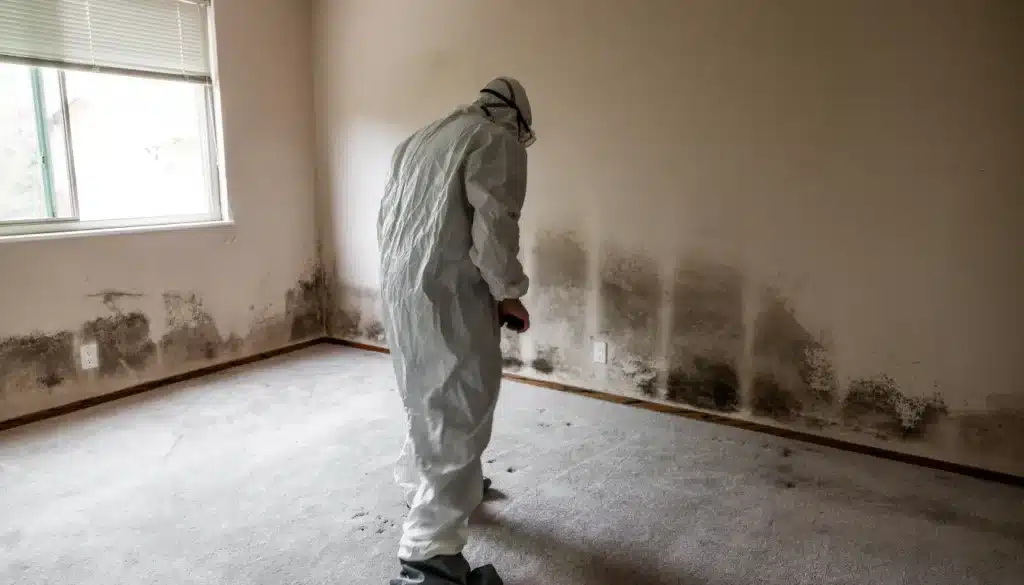
Taking the proper steps can make all the difference in dealing with mold exposure. Begin by exploring effective methods to keep mold out of your home.
Maintain Infrastructure
Regularly inspect and repair roof gutters, plumbing, and drainage systems. Water pooling near your foundation or seeping indoors is an open invitation to mold.
Use Air Purifiers
High-quality air purifiers can trap or neutralize harmful particles like mycotoxins released by mold. Keep one in frequently damp areas like basements or bathrooms.
Treat Surfaces
Apply fungicidal coatings to wood beams or other exposed materials in high-risk areas. It acts as a protective shield, keeping spores from making themselves at home.
Monitor Crawl Spaces
Poorly ventilated crawl spaces are a breeding ground for moisture. Install a vapor barrier or dehumidifier to keep humidity levels in check.
Don’t Ignore Small Leaks
That tiny drip under the sink might seem harmless, but moisture builds quickly, setting the stage for mold. Address every moisture source, big or small, immediately.
Understanding the impact of mold on your health is essential for protecting yourself and your loved ones. Taking steps to improve your environment, addressing potential mold issues promptly, and seeking proper testing and treatment ensures you’re tackling both the root cause and its effects.
You now know that mold causes illness, especially in those who are genetically susceptible. It is essential to consult with a skilled functional medicine doctor to determine the best course of action for treating mold-related issues. Empower yourself with the proper knowledge and tools to create a healthier, mold-free living space.
Mold exposure can cause health issues ranging from mild allergies to chronic illnesses. Symptoms may include fatigue, headaches, respiratory problems, joint pain, memory issues, and mood swings. Prolonged exposure can lead to systemic conditions like mold illness, especially in individuals with a genetic predisposition or existing health vulnerabilities.
If you experience unexplained fatigue, headaches, respiratory issues, or neurological symptoms such as brain fog or memory problems, mold exposure might be a factor. Persistent symptoms that don’t respond to conventional treatments should prompt investigation into potential mold exposure.
Mold illness, or mold toxicity, occurs when mycotoxins released by mold impact the body. It’s a systemic condition that can cause prolonged inflammation and wide-ranging symptoms, including physical, neurological, and emotional effects. It is often misdiagnosed due to its overlap with other conditions such as Lyme disease.
Testing options include a Urinary Mycotoxin Test, HLA-DR Mold Genetic Testing, Visual Contrast Sensitivity (VCS), and specific blood tests like VIP and ADH levels. These tests help identify mold-related toxins and inflammation, providing insight into your condition.
Start by identifying the source through professional tests like the Environmental Relative Mold Index (ERMI). Eliminate moisture, fix leaks, clean with EPA-approved antifungal products, and discard contaminated items. Regular maintenance, air purifiers, and fungicidal coatings are effective preventive measures.
Functional medicine focuses on addressing the root cause—mycotoxin toxicity—rather than just symptoms. It uses advanced diagnostic tools and personalized treatment plans based on genetics and environmental factors, ensuring more effective, long-term recovery solutions.
Control humidity, fix leaks promptly, clean regularly, and maintain ventilation. Use air purifiers, treat vulnerable surfaces with fungicidal coatings, and monitor areas prone to moisture, like basements and crawl spaces, to keep mold at bay.
For small mold-affected areas, you can clean using EPA-approved antifungal products with proper protective gear. However, for extensive mold issues or hidden mold, hiring a professional is recommended to ensure thorough and safe removal.
We have helped thousands of
people restore their health
and quality of life by diagnosing
and treating their Mold Illness.
“Dr. Mueller’s approach to medicine is refreshing! There is only so much you can do with western medicine and in my life I was needing a new approach. By addressing the whole body, nutritional diet factors, environmental factors, blood work, and incorporating ideas I had not previously known, I was able to break through with my conditions. I am not only experiencing less pain in my life, but through the process of healing guided by Dr. Diane Mueller, I am now happy to say I have more consciousness surrounding how I eat, what to eat and when things are appropriate. Living by example Dr. Mueller has a vibrancy that makes you want to learn and know more about your body and overall health. I highly recommend her to anyone looking for new answers, a new approach to health, or in need of freedom from pain and limitations.”
-Storie S.
Kihei, HI
Have Mold Illness or suspect you do?
We have helped thousands of people restore their health and quality of life by diagnosing and treating their Mold Illness.