
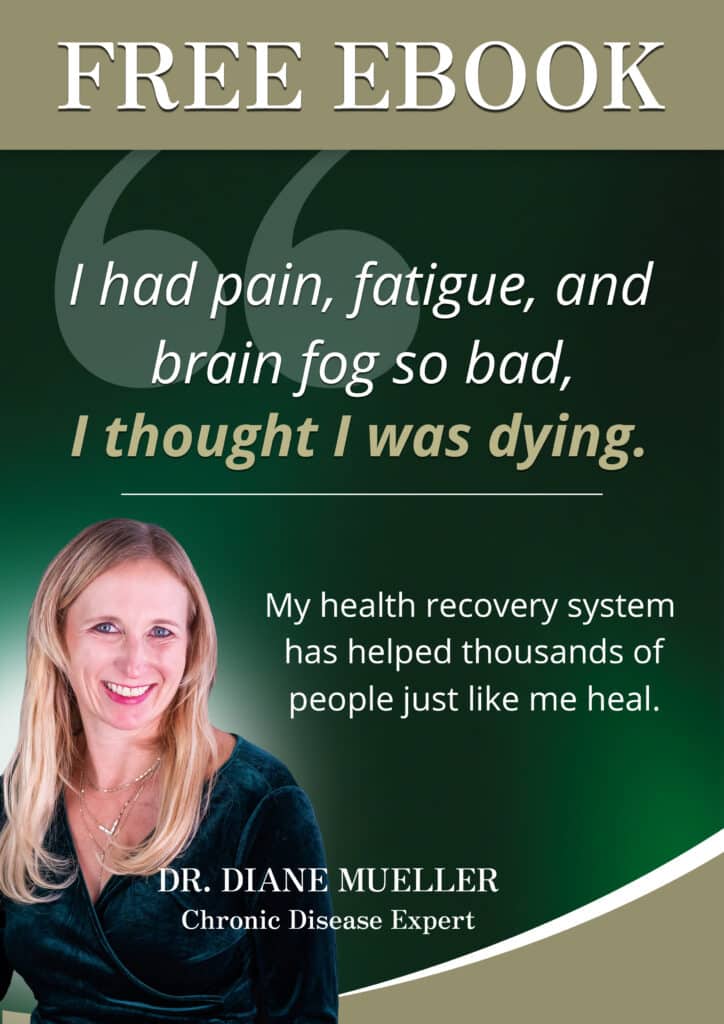

Written by Dr. Diane Mueller
Picture this: You’re stuck in an endless game of medical charades. One day it’s tingling in your hands, the next it’s heart palpitations, insomnia, or this wild feeling like you’re living outside your own body, sort of like you wandered onto the wrong movie set and no one handed you the script. Sound familiar?
Frankly, you’re not alone. Countless folks, maybe even you, are stuck chasing mysterious symptoms while doctors hand out new diagnoses like Halloween candy. One moment, it’s a thyroid thing. The subsequent, maybe anxiety or fibro? Could it be ALS or MS? Or is your body just playing a really twisted prank?
Lyme disease is infamous for doing precisely this, throwing strange, widespread symptoms your way, often leaving even the best-informed patients (and their doctors) scratching their heads. No, you’re not making this up. And yes, those bizarre, jumping symptoms very much deserve answers.
Let’s untangle the chaos: discover the truth behind the confusion, see why Lyme disease and its sneaky sidekicks (Babesia, Bartonella, Anaplasma, Powassan virus… the tick-borne entourage) shape such a baffling illness, and, best yet, learn how you can reclaim clarity (and hope) with a fresh, whole-body approach. Grab some tea, give that skepticism a high five, and get ready to reconnect the dots in this winding Lyme maze.
For the most common signs, see our Lyme Disease Symptoms guide.
Unusual symptoms of Lyme disease often include neurological issues like tingling, numbness, and even psychiatric effects such as mood swings or depersonalization.
Lyme disease frequently mimics other illnesses such as MS, ALS, fibromyalgia, and chronic fatigue syndrome, leading to misdiagnosis.
Co-infections from ticks, including Babesia, Bartonella, Anaplasma, and Powassan virus, can cause unique symptoms, making every Lyme case different.
Lyme can disrupt digestive and hormonal function, resulting in chronic bloating, fatigue, and unpredictable menstrual or mood changes.
If you experience a combination of unexplained neurological, digestive, and cardiac symptoms, consider comprehensive Lyme disease testing with a Lyme-literate provider.
Functional medicine approaches address the whole body, targeting co-infections and immune dysfunction to improve Lyme disease treatment.
We have helped thousands of people in Colorado, Wyoming, New Jersey, Pennsylvania, Texas, Wisconsin restore their health and quality of life by diagnosing and treating their Lyme Disease.
Most people (including plenty of doctors) think Lyme disease is all about the bullseye rash and achy joints. Simple, right? Not even close. Lyme has a notorious reputation as “the great mimicker”, and for painfully good reason.
The culprit? A sneaky bacterium, Borrelia, that refuses to stay put. Once it’s in your system, it doesn’t just camp out in one comfy corner. It goes completely backpacker, traveling through your nerves, heart, gut, and beyond. Even weirder, most ticks come packing more than one pathogen. Instead of a single infection, you might get a party mix: Borrelia plus co-infections like Babesia, Bartonella, Anaplasma, or Powassan virus.
Picture a symphony where every instrument plays a different, off-key song. You get symptoms that hop from headaches to foot pain to brain fog, sometimes in a single afternoon. It’s no wonder Lyme is regularly misdiagnosed or mistaken for more conventional diseases, such as ALS, MS, chronic fatigue syndrome, or even plain old stress.
If your symptoms “don’t add up,” you’re not falling apart; you’re just dealing with one of the most complicated puzzles in all of medicine. Unusual symptoms that don’t fit a clear pattern are sometimes dismissed after a negative Lyme test, even when Lyme disease remains a strong possibility.
Have you ever tried to plug in a phone charger, only to find out you have the right cord, but you’re jamming it into the wrong port? That’s Lyme disease, except it’s your nerve signals and organ communication going haywire.
Borrelia’s superpower? Burrowing deep into your cells and tissues. This bacterium doesn’t care about boundaries; it dives right in, causing inflammation in your nerves (neuroinflammation). That tweaks the messaging between your brain and the rest of your body, leading to hypersensitivity, nerve misfires, and symptoms that seem to pop up randomly or dance between organs. One minute, it’s shocking pain down your leg; the next, a weird burning in your mouth. Totally unfair, but 100% real.
Ticks play the world’s worst party host: They rarely bring just one guest. Along with Borrelia, ticks often pass along parasites (like Babesia), extra bacteria (like Bartonella and Anaplasma), or viruses (hello, Powassan). Each co-infection brings its own quirky set of symptoms, so no two Lyme cases look pretty alike. Babesia might give you night sweats and “air hunger,” while Bartonella loves foot pain and mood swings.
So, if your illness feels like an unpredictable variety hour, blame the buffet of pathogens, not your imagination.

Startling but true: Lyme’s #1 trick is hitting the nervous system. Most patients don’t expect it, and too many doctors still miss it completely (or chalk it up to stress, anxiety, or even menopause, yes, really). Let’s dive deeper.
Ever woken up feeling like half your face is frozen, or like you’ve gotten a shot of dental anesthesia… but you haven’t? Bell’s palsy, facial drooping due to nerve inflammation, is a red flag in Lyme.
But the fun doesn’t stop there. Other classic “nerve misfires”:
Trigeminal neuralgia (searing facial pain, think lightning bolts in your cheek)
Numbness, tingling, or pins-and-needles in your hands, feet, or face
Seizures or muscle tremors that seem to show up for no logical reason
Hearing loss or an endless ringing (tinnitus) in your ears
If you’re nodding along, you’ve probably wondered: Is it really Lyme, or could it be a disease that mimics Lyme, like MS, ALS, or even Parkinson’s? (Hint: It’s surprisingly common for Lyme to be mistaken for ALS or MS, especially when neurological symptoms take the spotlight.)
Here’s the plot twist: Lyme can rattle your mind as much as your body. Some people describe it as “Lyme brain”, a depersonalized feeling with brain fog where even simple conversations feel out of reach. For others, it causes mood swings, anxiety, or even sudden fits of uncontrollable anger, a phenomenon lovingly (or not) dubbed “Lyme rage.”
You might experience:
Hallucinations or disturbingly vivid dreams
Forgetting names, appointments, or even why you walked into a room (“Was I getting coffee or…?”)
Personality changes that spook even your closest friends
It’s not “all in your head”; it’s neuroinflammation and Lyme’s uncanny ability to mimic everything from dementia to psychiatric disorders.
We have helped thousands of people in Colorado, Wyoming, New Jersey, Pennsylvania, Texas, Wisconsin restore their health and quality of life by diagnosing and treating their Lyme Disease.
No, the vagus nerve isn’t just a fancy medical term; it’s your body’s communication superhighway, connecting your brain and gut. Borrelia loves to gum up this pathway, leading to all sorts of gut distress:
Chronic bloating or embarrassing gas (who hasn’t blamed it on broccoli?)
Nausea and that awful “rock in the stomach” sensation
Weirdly slow digestion, or bowels that can’t decide if they’re coming or going
If you’ve cycled through every elimination diet and still feel off, don’t be surprised if Lyme (or a co-infection) is the real party crasher. In many cases, functional medicine lab ranges reveal subtle gut and metabolic imbalances that standard tests overlook, often the first clues to underlying infection and inflammation driving chronic fatigue and pain.
Now for the hormones, those sneaky, unbalanced gremlins. Lyme disease can disrupt the hypothalamic–pituitary–adrenal (HPA) axis and thyroid function. The fallout?
Mystery fatigue that no nap touches
Mood and energy swings, up, down, upside-down
Menstrual cycles are doing their own thing
Many “mystery fatigue” or “unfixable” hormonal cases trace back to, guess what?, hidden Lyme or its mischievous friends. Functional medicine lab ranges often expose early hormone irregularities and inflammation patterns tied to chronic fatigue and pain that conventional panels miss entirely.
Keep in mind at our medical clinic that most of the people we find positive for Lyme Disease testing do not even remember getting a tick bite.
“Why is my heart skipping beats?”
It’s a hair-raising feeling. When Lyme hits your heart (a condition called Lyme carditis), it can literally disrupt the electrical system that keeps your ticker humming smoothly. Results include:
Palpitations that come out of nowhere
Irregular rhythms or the feeling that your heart is tap-dancing in your chest
Chest pressure, breathlessness, or feeling faint for no apparent reason
The cruelest twist? These heart symptoms often wax and wane — one day, you’re climbing the stairs like a champ, the next you can’t find your breath walking across the room. This unpredictability makes Lyme a master of disguise, and easy to mistake for anxiety, heart disease, or a one-off “stress event.” For many, these cardiac flares appear alongside joint pain and fatigue, clear indicators that the infection has spread beyond its early stages and may require late-stage Lyme disease treatment to resolve fully.
Lyme carditis can sometimes land patients in the ER with little warning. Standard heart tests might come back “normal,” leaving you with no diagnosis and more questions. Specialized Lyme and co-infection testing is key to solving this riddle.

Remember the party trick where the magician keeps yanking scarves out of his sleeve? Co-infections are kind of like that; they keep the strange symptoms coming, and no two people get the same set of surprises. Testing for Lyme co-infections is not just a nice-to-have; it’s essential for getting an honest answer.
Babesia is a parasite (not a bacterium) and acts a lot like malaria. Ever experience breathlessness for no apparent reason (“air hunger”), night sweats that soak your pajamas, tiny red dots on your skin, fevers, or sudden bursts of anger? That’s Babesia waving hello.
Bartonella brings its own flavor: sharp pain in the calves or feet, lymph nodes that puff up and ache, and disturbing mood changes. The mind-body connection gets really intense here. Bartonella can have you feeling like someone replaced your brain’s emotional wiring overnight.
High fevers, relentless fatigue, knotted-up muscles, or a rash that has you questioning every soap and lotion on your shelf? Anaplasma, another tick-borne bacterium, can be the culprit. Its symptoms often look just like the flu or a viral bug.
Powassan virus is rarer (and scarier). Symptoms hit hard and fast. Think: sudden headaches so fierce you curl up in a dark room, confusion, difficulty speaking, weakness, and, in rare, severe cases, paralysis or fatality. If your symptoms spiral rapidly after a tick bite, Powassan deserves immediate attention.
So, why do some patients get night sweats, others depression, and yet others leg pain? It’s the mixed bag of co-infections making every case of Lyme one of a kind.
This is where the “great mimicker” title really earns its stripes. Lyme disease’s unpredictable symptom parade often leads to a dramatic (and dangerous) game of medical mix-up. You might be told you have MS, ALS, Parkinson’s, fibromyalgia, chronic fatigue, or an autoimmune disorder before a single doctor thinks to test for Lyme and friends.
Disease | Common Symptoms | How It Differs From Lyme |
|---|---|---|
Multiple Sclerosis | Numbness, vision loss | MS lesions differ from neuro-Lyme signs |
ALS | Muscle weakness | Lyme improves with antibiotics |
Parkinson’s | Tremors, stiffness | Lyme symptoms wax and wane more |
Fibromyalgia | Widespread pain | Lyme shows immune markers |
Chronic Fatigue Synd. | Unrelenting fatigue | Lyme linked to immune disruption |
Autoimmune Disorders | Variable | Lyme rarely triggers classic autoantibodies |
If you’ve been slapped with a catch-all label and treatments aren’t working, it’s time to widen the diagnostic lens. Diseases that mimic Lyme are everywhere in the conventional medical world. Testing for Lyme and its famous co-infections can finally steer you in the right direction, and exploring chronic fatigue syndrome alternative treatment approaches can sometimes uncover hidden infections and inflammatory triggers that standard medicine misses.
We have helped thousands of people in Colorado, Wyoming, New Jersey, Pennsylvania, Texas, Wisconsin restore their health and quality of life by diagnosing and treating their Lyme Disease.
First off, don’t blame yourself. The confusion is built into the disease. But you do have power here. Here’s how to take back some control:
Find a Lyme-literate provider. Most routine doctors don’t get specific training in chronic or unusual Lyme presentations. Searching for a Lyme-literate doctor near me can connect you with someone who understands the nuances of advanced Lyme and co-infections. Functional medicine clinics like My Lyme Doc in Centennial, CO, specialize in decoding tricky cases, especially when symptoms look nothing like textbook Lyme.
Ask for comprehensive testing. This means screening for Borrelia using a high-sensitivity Lyme disease test, plus checking for Babesia, Bartonella, Anaplasma, and Powassan. Most standard panels only check for one or two pathogens. If you can’t get answers locally, consider using an at-home Lyme test kit that screens for multiple strains and co-infections from the comfort of your home.
Track every symptom. Use a notebook or app, but jot down even the “weird” stuff. Over time, patterns emerge (trust us).
Act early. The longer Borrelia and friends go unchecked, the deeper they burrow, making treatment trickier and recovery a longer road.
Trust your experience. If every doctor tells you it’s “just stress” but your body is screaming otherwise, keep digging until you get honest answers.
Pro Tip: Many with undiagnosed Lyme report a mishmash of neurological, digestive, heart, and mood issues. If your symptoms cover all three (plus changeable co-infection signs), Lyme should be high on the “rule out” list.
If this all sounds overwhelming, you’re not alone, and you’re not without hope. The functional medicine approach goes past band-aids, treating the whole you. At My Lyme Doc, Dr. Diane Mueller and her team draw from both conventional and cutting-edge alternative therapies, supporting your immune system, calming inflammation, and restoring gut and mitochondrial balance.
Functional medicine means:
Addressing co-infections, immune dysfunction, and hormonal swings, all at once
Tailoring nutrition, refresh, and supplementation to YOUR needs
Restoring mind-body connection and rebuilding emotional resilience (because, wow, this journey is a marathon)
Take Dr. Mueller’s story: She’s walked this same bumpy road, facing mysterious symptoms, toting her own “bag of diagnoses,” and finding healing when she finally approached the whole body, not just the latest flare.
Don’t let uncertainty (or dismissive doctors) define your health. Seek out a Lyme-literate, functional medicine provider; your personalized roadmap to healing is waiting, even if the journey looks twisty at first.
If your symptoms seem disconnected or too weird for words, trust your instincts. Reach out. Our clinic specializes in identifying and treating these complex cases. Every puzzle deserves to be solved.
Unusual symptoms of Lyme disease can include tingling or numbness in extremities, heart palpitations, severe insomnia, depersonalization (feeling disconnected from reality), unpredictable pains, digestive issues, unpredictable mood swings, and neurological sensations like facial drooping or muscle tremors.
Ticks that transmit Lyme disease often carry additional pathogens like Babesia, Bartonella, Anaplasma, or Powassan virus. These co-infections each bring their own unique symptoms, ranging from night sweats to mood changes, making each Lyme case distinct and more difficult to diagnose.
Yes. Neuroinflammation sparks depression, anxiety, even hallucinations and random rage. If your mental health nosedives with no clear explanation, or swings wildly from day to day, there’s a good chance Borrelia or a co-infection is at play.
Lyme disease is known as ‘the great mimicker’ because its symptoms can closely resemble those of many other conditions such as MS, ALS, fibromyalgia, chronic fatigue syndrome, and autoimmune disorders, leading to frequent misdiagnoses and delayed treatment.
If you experience unexplained symptoms affecting multiple body systems (nerves, digestion, mood, heart), seek out a Lyme-literate provider for comprehensive testing, including tests for common co-infections. Tracking symptoms and acting early increases chances of accurate diagnosis and effective treatment.
Rare but severe symptoms can include temporary paralysis, severe cardiac rhythm disturbances (Lyme carditis), out-of-body sensations (depersonalization), and profound hormonal imbalance. These symptoms may take months to connect to Lyme, so thorough assessment is crucial if conventional diagnoses do not fit.
Absolutely. The gut-brain axis gets scrambled, with your vagus nerve and stress hormones (looking at you, HPA axis) caught in the crossfire. The result? Bloating, pain, nausea, and unreliable hormones galore
Halperin, J. J., Little, B. W., Coyle, P. K., & Dattwyler, R. J. (1990). Lyme disease: Cause of a treatable peripheral neuropathy. Neurology, 40(7), 1184–1184. https://doi.org/10.1212/wnl.40.7.1184
Fallon, B. A., & Nields, J. A. (1994). Lyme disease: A neuropsychiatric illness. American Journal of Psychiatry, 151(11), 1571–1583. https://doi.org/10.1176/ajp.151.11.1571
Reik, L., Jr, Steere, A. C., Bartenhagen, N. H., Shope, R. E., & Malawista, S. E. (1979). Neurologic abnormalities of Lyme disease. Medicine, 58(4), 281–294. https://doi.org/10.1097/00005792-197907000-00004
Krause, P. J., Telford, S. R., III, Pollack, R. J., Ryan, R., Brassard, P., Zemel, L., & Spielman, A. (1996). Babesiosis: An underdiagnosed disease of children. Pediatrics, 97(6 Pt 1), 845–848. https://doi.org/10.1542/peds.97.6.845
Wang, R., & Tang, J. (2023). Neuropsychiatric Lyme disease and vagus nerve stimulation: A narrative review. Frontiers in Neurology, 14, Article 1252493. https://doi.org/10.3389/fneur.2023.1252493
Steere, A. C., Batsford, W. P., Weinberg, M., Alexander, J., Berger, H. J., Wolfson, S., & Malawista, S. E. (1980). Lyme carditis: Cardiac abnormalities of Lyme disease. Annals of Internal Medicine, 93(5), 8–16. https://doi.org/10.7326/0003-4819-93-1-8
Reik, L., Jr. (1984). Facial nerve palsy in Lyme disease. Neurology, 34(9), 1194–1195. https://doi.org/10.1212/wnl.34.9.1194
Logigian, E. L., Kaplan, R. F., & Steere, A. C. (1990). Chronic neurologic manifestations of Lyme disease. New England Journal of Medicine, 323(21), 1438–1444. https://doi.org/10.1056/NEJM199011223232102
Kujundžić Tiljak, M., & Čavić, M. (2014). Auditory brainstem response and late potentials in patients with Lyme disease. Acta Clinica Croatica, 53(1), 37–42. https://pubmed.ncbi.nlm.nih.gov/24851650/
We have helped thousands of
people restore their health
and quality of life by diagnosing
and treating their Lyme Disease.
“Dr. Mueller’s approach to medicine is refreshing! There is only so much you can do with western medicine and in my life I was needing a new approach. By addressing the whole body, nutritional diet factors, environmental factors, blood work, and incorporating ideas I had not previously known, I was able to break through with my conditions. I am not only experiencing less pain in my life, but through the process of healing guided by Dr. Diane Mueller, I am now happy to say I have more consciousness surrounding how I eat, what to eat and when things are appropriate. Living by example Dr. Mueller has a vibrancy that makes you want to learn and know more about your body and overall health. I highly recommend her to anyone looking for new answers, a new approach to health, or in need of freedom from pain and limitations.”
-Storie S.
Kihei, HI