If you’re searching for a lyme doctor Pennsylvania, there’s a good chance you’ve been dealing with persistent unexplained symptoms for way too long. Maybe you’ve been told your labs are normal, it’s just stress, or you should “give it time.” That gets old fast. At My Lyme Doc, our providers see patients in Pennsylvania and work with patients exploring Lyme diagnosis, treatment, co-infections, and complex chronic illness patterns through telehealth. If that’s where you are right now, your best next step is simple: book a consultation.
When symptoms bounce from fatigue to brain fog to joint pain, it can feel like your body is speaking in static. And honestly? Many patients we see have spent years trying to connect the dots. You deserve a doctor who listens, looks deeper, and builds a clear roadmap, not another shrug.
Key Takeaways
Finding a Lyme doctor in Pennsylvania requires a provider who looks beyond normal labs and considers complex symptom patterns and co-infections for accurate diagnosis.
My Lyme Doc offers specialized telehealth care in Pennsylvania, providing a functional medicine approach focusing on root causes like Lyme, co-infections, and mold exposure.
Common Lyme symptoms include fatigue, brain fog, joint pain, neurological issues, and flu-like signs that often go misdiagnosed due to testing limitations.
Effective chronic Lyme treatment is personalized, addressing antimicrobial needs, immune support, detoxification, and symptom sequencing to reduce flares and improve recovery.
Patients benefit from ongoing follow-up care to track progress, adjust treatments, and manage complex chronic illness patterns for steady improvement.
Telehealth Lyme care in Pennsylvania is ideal for patients facing mobility challenges, rural living, or prior misdiagnosis, enabling access to specialized Lyme-literate doctors remotely.
Need a Lyme Doctor in Pennsylvania?
If you need a Lyme doctor PA patients can actually talk to, start with one question: does the provider look at the whole picture? A true Lyme literate doctor Pennsylvania patients trust understands that Lyme rarely shows up as one neat symptom and one perfect test result.
At My Lyme Doc, we take a root-cause, functional medicine approach. That means looking at your history, symptom patterns, possible tick exposure, immune stress, mold exposure, and co-infections, not just one lab in isolation. If you’ve been chasing answers for months or years, that broader lens matters.
You can also explore more about our approach, credentials, and care model here: learn more about us.

Symptoms That Bring Patients to My Lyme Doc
Many Pennsylvania patients don’t come in saying, “I definitely have Lyme.” They come in saying, “Something is wrong, and no one can explain it.” That’s often the real starting point.
Fatigue and Flu-Like Symptoms
One of the biggest red flags is exhaustion that doesn’t improve with sleep. Not regular tired, more like you woke up with a weighted blanket on your cells. You may also have chills, low-grade fevers, body aches, swollen glands, or a run-down immune system. These Lyme symptoms can look viral, hormonal, or “just stress,” which is exactly why they get brushed off.
Brain Fog and Memory Issues
Brain fog can be one of the most unsettling symptoms. You lose words mid-sentence, forget why you opened the fridge, or reread the same email three times. Patients often describe feeling unlike themselves, slower, hazy, disconnected. With Lyme and related infections, inflammation can affect cognitive function, memory, focus, and word recall in ways that are very real.
Nerve Pain and Neurological Lyme Symptoms
Neurological Lyme symptoms can include tingling, numbness, burning, buzzing, internal vibrations, sensitivity to light or sound, headaches, dizziness, and even panic-like sensations. It’s a strange cluster, and that’s part of the problem. Symptoms can sound unrelated on paper while clearly fitting a pattern in real life.
Joint Pain and Migrating Pain
Lyme-related pain often moves. Your left knee hurts this week, your right shoulder next week, then your neck joins the party, rude, honestly. Migrating pain, stiffness, and inflammation are common clues, especially when imaging doesn’t fully explain how badly you feel.
Full Symptom Checklist
Common symptoms we assess include:
fatigue or post-exertional crashes
brain fog and poor concentration
memory issues or word-finding trouble
headaches or migraines
tingling, numbness, burning, or nerve pain
joint pain or migrating muscle pain
dizziness or lightheadedness
flu-like symptoms that keep returning
sleep disruption
anxiety, mood changes, or feeling “wired and tired”
temperature regulation issues, sweats, or chills
ongoing inflammation with no clear answer
Why Lyme Disease Is Often Missed or Misdiagnosed
This is the part patients usually feel in their bones: you knew something was off, but the answers never quite landed.
A lot of people with suspected Lyme in Pennsylvania have first been told it was anxiety, fibromyalgia, chronic fatigue syndrome, or that their labs were normal, so everything must be fine. If that sounds familiar, you’re not imagining it. You’re also not alone.
Why is Lyme disease sometimes missed? A few reasons. Testing has limits. The standard ELISA can miss cases, especially depending on timing and immune response, and even a Western blot doesn’t tell the whole story. Antibodies may not show up clearly. Some patients never notice a tick bite or classic rash. And many conventional visits just don’t leave enough time to unpack a long, multi-system history.
That’s why Lyme diagnosis is clinical, not just lab-based. We use your story, symptom timeline, exposures, and testing together. If you want a deeper look at that process, read more about Lyme disease diagnosis and Lyme testing.
Co-Infections and Overlapping Illness Patterns
Lyme is often only part of the story. That’s one reason a chronic Lyme doctor Pennsylvania patients trust needs pattern-recognition, not tunnel vision.
Babesia, Bartonella, and Other Co-Infections
Ticks can carry more than Borrelia burgdorferi. Two common co-infections are Babesia and Bartonella, and they can change the whole symptom picture. Babesia may bring air hunger, night sweats, and intense fatigue. Bartonella is more associated with nerve pain, mood changes, agitation, foot pain, and vascular or neurological symptoms. If treatment ignores co-infections, people often plateau. Learn more about co-infections treatment and targeted babesia treatment.
Multi-System Symptom Patterns
When your symptoms hit your brain, joints, hormones, digestion, sleep, and immune system all at once, that’s a clue. Complex chronic illness often follows a multi-system pattern rather than one tidy diagnosis. Sequence matters. If inflammation, infection burden, refresh stress, and nervous system dysfunction stack together, you need a doctor who can sort the order of operations.
Have Lyme Disease or suspect you do?
We have helped thousands of people in Colorado, Oregon, Wyoming, New Jersey, Pennsylvania, Texas, Wisconsin, New Hampshire, Alabama, South Dakota, and Vermont restore their health and quality of life by diagnosing and treating their Lyme Disease.
Testing and Diagnosis for Pennsylvania Patients
Good testing matters. But good interpretation matters just as much.
How Diagnosis Goes Beyond a Single Lab Result
A qualified lyme disease doctor Pennsylvania patients rely on won’t reduce your case to one yes-or-no lab. Diagnosis often includes clinical history, symptom clusters, timing, environmental exposures, prior infections, and response patterns. We may use standard and specialty options depending on the case. If you’re sorting through options, our guide to the best Lyme disease test can help clarify what different tests can, and can’t, tell you.
Root-Cause Evaluation Framework
Our framework looks beyond Lyme alone. We assess possible co-infections, immune status, inflammation, gut health, refresh capacity, nervous system stress, and mold-related illness when indicated. That root-cause evaluation helps explain why two patients with “Lyme” can look completely different and need different treatment sequences. It’s less like checking a box, more like assembling a clinical puzzle.
Chronic Lyme Treatment Options
There isn’t one universal chronic Lyme protocol that works for every patient. And that’s actually good news, because your treatment should fit you.
At My Lyme Doc, chronic Lyme treatment is personalized and may include antimicrobial strategies, immune support, detoxification support, gut repair, mitochondrial support, anti-inflammatory work, and nervous system regulation. Some patients need to address infections first. Others need to stabilize mold, sleep, or reactivity before going harder. That sequencing can reduce flares and expensive trial-and-error.
You can read more about our approach to chronic Lyme treatment.
What Treatment Follow-Up Looks Like
Follow-up care is where the roadmap gets refined. We track symptom changes, Herx reactions, tolerance, and what your body is actually doing, not what we hoped it would do on paper. Plans are adjusted over time. Healing is rarely linear, which is annoying, yes, but normal. The goal is steady progress, better function, and fewer crashes.
Mold Illness, CIRS, and Complex Chronic Symptoms
Sometimes Lyme isn’t the only hidden driver. Mold exposure can create or intensify fatigue, brain fog, sinus issues, headaches, hormone disruption, immune dysregulation, and chronic inflammation. That overlap is one reason people stay stuck.
If you’ve left a damp basement, a water-damaged apartment, or an office that smelled musty and still don’t feel right, mold deserves a closer look. In some patients, this pattern aligns with Chronic Inflammatory Response Syndrome (CIRS), a complex response tied to biotoxin exposure.
We often evaluate Lyme and mold together because separating them too rigidly can miss the real picture. You can learn more about mold illness care.
Telehealth Lyme Care in Pennsylvania
If you’ve been searching for a telehealth Lyme doctor Pennsylvania patients can work with from home, this is often the most practical path, especially when you’re exhausted, rural, or too symptomatic to keep driving from office to office.
How Telehealth Care Works
Our telehealth process is straightforward:
Initial consult: we review your history, symptoms, prior testing, and likely root-cause patterns.
Testing strategy: we recommend targeted next steps rather than a random pile of labs.
Treatment plan: you receive a personalized roadmap based on findings and priorities.
Follow-ups: we monitor progress, make adjustments, and support the next phase.
That structure keeps care organized and saves a lot of wheel-spinning.
Who Telehealth Is For
Telehealth can be a strong fit if you live in a rural part of Pennsylvania, feel too unwell to travel easily, have been previously misdiagnosed, or simply want a more specialized Lyme literate doctor without waiting for a local unicorn to appear. It’s especially helpful for patients with fatigue, brain fog, mobility issues, or complicated histories.

Why Patients in Pennsylvania Choose My Lyme Doc
Patients usually come to My Lyme Doc after a long stretch of being dismissed, bounced around, or given partial answers. What changes here is the depth of the evaluation, and the fact that we believe you.
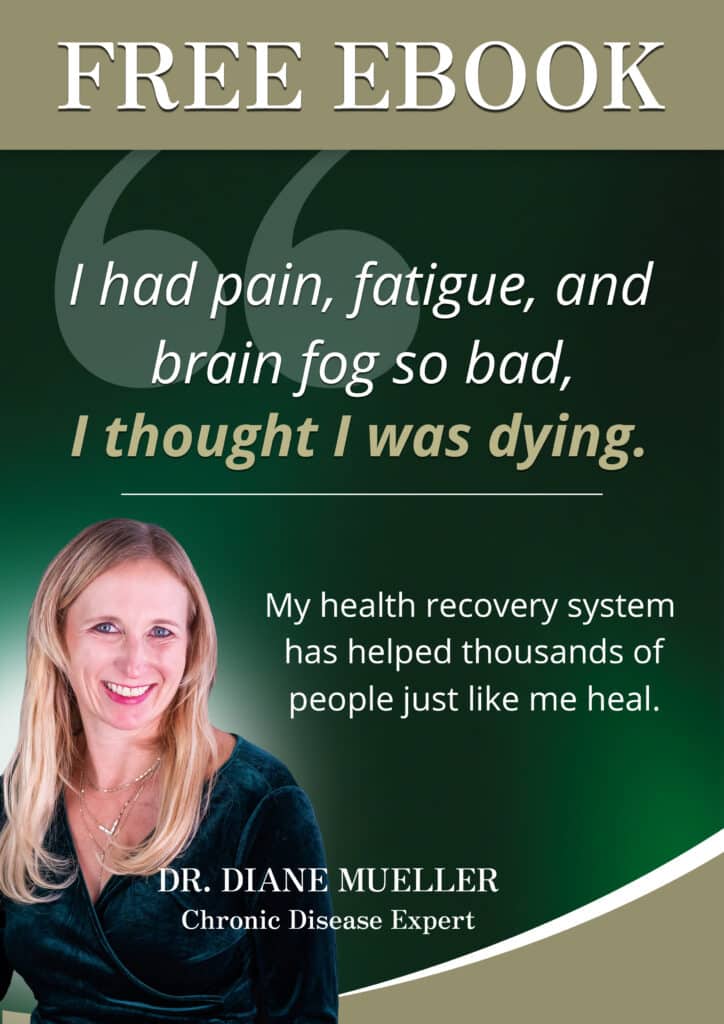
Our team focuses on functional medicine, root-cause investigation, and complex chronic cases involving Lyme, co-infections, mold toxicity, and chronic inflammation. Dr. Diane Mueller’s own recovery from Lyme and mold shapes the clinic’s approach in a very real way. This isn’t abstract textbook care.
Patients also value the structure: clear next steps, personalized protocols, and ongoing support instead of fragmented opinions. If you want to hear from others who’ve walked this road, read our patient testimonials.
Book Your Pennsylvania Consultation
If you’re still wondering how to find a Lyme specialist Pennsylvania patients trust, start with a provider who looks beyond normal labs, considers co-infections and mold, and offers a real treatment roadmap.
Your first visit is designed to review your clinical history, symptom patterns, previous workups, and likely next steps for testing and treatment. Even if your symptoms have been going on for years, that doesn’t disqualify you from getting answers. In many cases, it’s exactly why a deeper evaluation is needed.
You don’t need to keep piecing this together alone. When you’re ready, book a consultation and take the next step toward clarity.
Frequently Asked Questions
Yes. Many patients work with a Lyme doctor in Pennsylvania through telehealth, especially if they live in rural areas or have mobility issues. Virtual care allows for full consultation, symptom review, testing coordination, and treatment planning without needing to travel.
Lyme disease is often misdiagnosed because symptoms overlap with conditions like anxiety, fibromyalgia, or chronic fatigue. Standard tests can miss cases, especially in later stages. Many providers rely too heavily on labs instead of clinical history, which leads to missed or delayed diagnoses.
No. You do not need a positive Lyme test to book a consultation. Many patients with Lyme have negative or inconclusive lab results. Diagnosis is often based on symptoms, history, and patterns, not just a single test result.
Yes. Co-infections like Babesia or Bartonella can significantly change both symptoms and treatment. They may cause additional neurological, cardiovascular, or inflammatory issues. Treating Lyme alone without addressing co-infections can lead to incomplete recovery or ongoing symptoms.
It is common for Lyme symptoms to overlap with mold illness or CIRS. Both can cause fatigue, brain fog, and inflammation. A thorough evaluation looks at both factors to determine what is driving symptoms and how to prioritize treatment effectively.
The first consultation focuses on your full health history, symptom timeline, and possible exposures. A personalized testing and treatment strategy is developed based on your case. You will leave with a clear plan and next steps for diagnosis and care.
Have Lyme Disease or suspect you do?
We have helped thousands of people in Colorado, Oregon, Wyoming, New Jersey, Pennsylvania, Texas, Wisconsin, New Hampshire, Alabama, South Dakota, and Vermont restore their health and quality of life by diagnosing and treating their Lyme Disease.
Pennsylvania tick and Lyme disease resources
These are official state and university sources for readers who want to verify tick and tick-borne disease information for Pennsylvania.
About the author
Written and medically reviewed by Dr. Diane Mueller, ND, LAc, DAOM. Dr. Mueller is a naturopathic doctor and licensed acupuncturist who has worked with more than 1,000 patients across the eleven states My Lyme Doc serves. Read more about Dr. Mueller.
Last reviewed: August 7, 2026
Medical disclaimer
This page is for general educational purposes and is not medical advice. It does not create a doctor and patient relationship, and it is not a substitute for diagnosis or treatment from your own clinician. Always talk with a qualified healthcare provider before starting, stopping, or changing any treatment. If you are experiencing a medical emergency, call 911 or go to the nearest emergency room.
Lyme disease care in the other states we serve
My Lyme Doc sees patients in eleven states, all by video visit from home. If you live in one of the others, start here. Live somewhere else? You can still be a patient if you can travel to one of these states at least once a year and have your appointments there.
- Lyme disease doctor in Colorado
- Lyme disease doctor in Wyoming
- Lyme disease doctor in New Jersey
- Lyme disease doctor in Texas
- Lyme disease doctor in Wisconsin
- Lyme disease doctor in Oregon
- Lyme disease doctor in New Hampshire
- Lyme disease doctor in Alabama
- Lyme disease doctor in South Dakota
- Lyme disease doctor in Vermont
For how care works in each state, see where we practice.