Lyme doctor Colorado searches usually happen after a long stretch of feeling awful, getting normal labs, and hearing some version of “everything looks fine.” If that’s been your story, take a breath, you’re not imagining this. At My Lyme Doc, you can get answers from a licensed naturopathic doctor in Colorado through telehealth for Lyme disease, chronic Lyme, co-infections, and the mold overlap that so often muddies the picture.
When symptoms bounce from fatigue to brain fog to joint pain to weird neurological stuff, a quick “near me” search rarely gives you the full story. You need someone who looks at patterns, timing, exposures, and root causes, not just a checkbox. That’s where a Lyme-literate, functional medicine approach can help.
Video visits for Colorado patients | Root-cause evaluation for Lyme, mold illness, and complex chronic symptoms.
Key Takeaways
A Lyme doctor in Colorado offers specialized telehealth services to diagnose and treat Lyme disease, chronic Lyme, co-infections, and mold-related illnesses using a functional medicine approach.
Patients with chronic, unexplained symptoms like fatigue, brain fog, and joint pain should consider a Lyme-literate doctor who evaluates symptom patterns, exposure history, and root causes beyond standard lab tests.
Lyme testing includes ELISA and Western blot but often requires clinical context and additional co-infection testing due to limitations and possible false negatives.
Individualized treatment plans in Colorado focus on addressing layered infections, immune support, detoxification, and nervous system regulation in a phased, patient-specific way.
Telehealth access enhances ongoing care and follow-up for Colorado patients, improving continuity and reducing the burden of travel, especially for those with complex symptoms.
The overlap of Lyme disease symptoms with mold illness and Chronic Inflammatory Response Syndrome (CIRS) necessitates comprehensive evaluation to uncover all contributing factors and optimize treatment.
Looking for a Lyme Doctor in Colorado?
Finding the right provider can feel weirdly hard. You search for a Lyme specialist Colorado, and up pop directories, vague listings, and thin “near me” pages that tell you almost nothing. Meanwhile, you’re tired, foggy, and trying to solve a medical puzzle with one eye half open.
A true Lyme-literate provider looks beyond a single lab result. They consider your symptom timeline, exposure history, immune stress, and the possibility of overlapping issues like mold illness or tick-borne illness. That matters, because many Colorado patients don’t fit a neat textbook case.
Who this is for
This care model is often a fit if you have:
chronic symptoms with no clear diagnosis
suspected Lyme disease or another tick-borne infection
failed previous treatments or partial improvement only
a complex, multi-system illness picture
concern about mold exposure or persistent symptoms that flare unpredictably
If local care hasn’t solved the issue, that doesn’t mean there isn’t an explanation. It often means the case needs a deeper lens, one that connects the dots instead of isolating each symptom.
Symptoms We Commonly Evaluate for Colorado Patients
Many people looking for a Lyme disease doctor Colorado aren’t dealing with one dramatic symptom. It’s more like a pileup, fatigue, sleep trouble, pain, dizziness, and a brain that feels stuck in buffering mode.
Core Symptom Clusters
Common Lyme symptoms and overlapping symptom clusters include:
fatigue that doesn’t improve with rest
brain fog, word-finding trouble, poor focus
joint pain or migrating aches
neuropathy, tingling, burning, numbness
dizziness or lightheadedness
headaches or pressure sensations
sleep disruption
symptoms that move, flare, then shift again
Symptom Pattern Insights
The pattern matters almost as much as the symptom itself. Some patients have fluctuating symptoms that come in waves. Others feel persistently inflamed day after day. Neurological presentations can look very different from inflammatory ones, think anxiety, depersonalization, tremors, or sensory overload versus swelling, pain, and crushing exhaustion.
And timing matters. When did it start? What happened before it? A camping trip, a moldy apartment, a viral illness, a high-stress season? Your symptom timeline often holds the clues.
Symptom Checklist
Pause and check in with your body. Do you recognize yourself here?
“I’m exhausted, but sleep doesn’t fix it.”
“My symptoms migrate or change week to week.”
“I’ve had normal tests, but I still feel unwell.”
“I have brain fog, joint pain, headaches, or neurological symptoms.”
“Something got worse after a tick bite, travel, illness, or mold exposure.”
If several of those sound familiar, a more complete evaluation is worth considering.
Lyme Disease, Chronic Lyme, and Co-Infections
Lyme disease is most commonly associated with Borrelia burgdorferi, the bacteria linked to a tick bite. Acute Lyme can be easier to recognize when there’s a known bite, rash, fever, or early flu-like illness. But that’s not how every case shows up.
Chronic Lyme symptoms usually involve a more tangled picture: ongoing fatigue, cognitive issues, pain, immune dysfunction, and relapse-remit cycles. Whether you use the phrase chronic Lyme, persistent Lyme-related illness, or complex post-infectious illness, the practical point is the same, you still need answers.
Then there are Lyme co-infections, which can change the entire clinical picture. Common ones include:
co-infections such as Babesia
Bartonella
Ehrlichia
Anaplasma
These infections can complicate Lyme disease diagnosis and treatment because symptoms overlap, testing can miss them, and they stress the immune system in different ways. It’s one reason a one-size-fits-all approach often falls flat.
Lyme Testing Options and Diagnostic Considerations
Testing matters, but so does context. A good Lyme testing strategy blends labs with clinical judgment instead of treating one report like the whole truth.
When to Consider Testing
Testing deserves a closer look if you have compatible symptoms, a history of outdoor exposure, a known or possible tick bite, a sudden unexplained decline, or chronic issues with no clear cause. It’s also smart to consider testing when symptoms worsened after water-damaged buildings or other environmental triggers.
For a deeper overview, review our page on Lyme testing.
Limits of Standard Tests
Standard testing often starts with ELISA and Western blot. Those tests can be useful, especially in some acute cases. But they have limitations. False negatives can happen, particularly in chronic or complex presentations where immune response is altered. That’s one reason people get told they’re “fine” when they clearly don’t feel fine.
Co-Infection Testing Considerations
Testing for Babesia, Bartonella, Ehrlichia, and Anaplasma can be even trickier. These organisms may be hard to detect consistently. Timing, immune suppression, prior treatment, and test method all affect results. We often look at symptoms and history alongside labs rather than relying on a single snapshot.
You can learn more about co-infections testing.
Clinical Diagnosis Approach
A functional medicine clinical diagnosis approach includes your clinical history, exposures, symptom timeline, prior labs, and response patterns. In other words, your story counts. That’s not guesswork, it’s pattern recognition. For many complex chronic illness cases, this is where the real investigation begins.
Have Lyme Disease or suspect you do?
We have helped thousands of people in Colorado, Oregon, Wyoming, New Jersey, Pennsylvania, Texas, Wisconsin, New Hampshire, Alabama, South Dakota, and Vermont restore their health and quality of life by diagnosing and treating their Lyme Disease.

Treatment for Lyme Disease in Colorado
Good Lyme treatment isn’t just about killing microbes and hoping for the best. It’s about sequence. Order matters. If your refresh pathways are overwhelmed, your nervous system is stuck in fight-or-flight, or mold is still in the background, progress can stall.
Explore our Lyme treatment options and chronic Lyme treatment for a fuller picture.
Individualized Care Plans
No two patients get the exact same roadmap. Your plan should reflect your symptoms, test results, history, tolerance, finances, and priorities. That may include conventional tools, functional medicine support, nutrition, nervous system work, detoxification support, and targeted antimicrobial strategies.
Chronic and Complex Cases
Complex cases usually involve layers, Lyme, co-infections, immune dysfunction, gut issues, hormone disruption, thyroid stress, mitochondrial strain, and environmental exposures. Trying to tackle all of it at once can backfire. A phased strategy tends to work better because it respects your biology instead of bulldozing it.
For support specific to layered infections, co-infections treatment.
Refresh and Herxheimer Support
A Herxheimer reaction can happen when treatment stirs up inflammation faster than your body can clear it. It can feel like getting hit by a truck… then backed over for drama. Support may include bowel regularity, hydration, binders, mineral support, liver and lymph support, sweating strategies, and pacing treatment carefully.
Mold and Environmental Factors
If mold is part of the picture, treatment can plateau until that root cause is addressed. Ongoing exposure can keep the immune system activated and symptoms cycling. This is why some patients need both infection work and mold illness treatment, not one or the other.
Follow-Up and Monitoring
Healing isn’t linear. Follow-up helps adjust supplements, prescriptions, refresh support, pacing, and priorities over time. Telemedicine also makes continuity easier, which matters when symptoms shift. The goal is not a rushed one-off visit. It’s a relationship with a roadmap.
Mold Illness, CIRS, and Overlapping Root Causes
This overlap gets missed all the time. Mold illness can create fatigue, brain fog, headaches, sinus issues, dizziness, sleep disruption, neuropathy, and immune dysfunction, the same general neighborhood as Lyme. So yes, chronic Lyme symptoms can overlap with mold illness, and often do.
Some patients also meet criteria for Chronic Inflammatory Response Syndrome (CIRS), a condition linked to biotoxin illness in susceptible people. If you’re treating infections but still stalling, ongoing mold exposure or untreated CIRS may be part of the reason.
This is the systems-thinking piece. You don’t always have one villain. Sometimes it’s Borrelia plus Babesia plus a water-damaged home plus a fried nervous system. Annoying? Yes. Solvable with the right sequence? Often, yes.
How Telehealth Lyme Care Works in Colorado
Telehealth care gives Colorado patients access to a specialist without relying on whoever happens to be close by. For chronic illness, that can be huge.
Step-by-Step Process
The process is straightforward:
Initial consultation: We start with a deep review of your symptoms, history, prior treatment, and goals.
Symptom and history review: We map patterns, exposures, and your timeline.
Testing strategy: We decide what labs are actually worth ordering.
Personalized plan: You get a step-by-step roadmap.
Ongoing follow-up: We refine as your body responds.
If you’re ready, book a consultation.
Benefits of Telehealth
A telehealth Lyme doctor Colorado model offers better access, more continuity, and often more in-depth visits than rushed conventional appointments. It also works well for people dealing with fatigue, dizziness, pain, or limited mobility. You don’t need to white-knuckle a long drive just to explain your brain fog while having… brain fog.
And yes, Colorado patients can get ongoing follow-up remotely when appropriate.
Why Patients in Colorado Choose My Lyme Doc
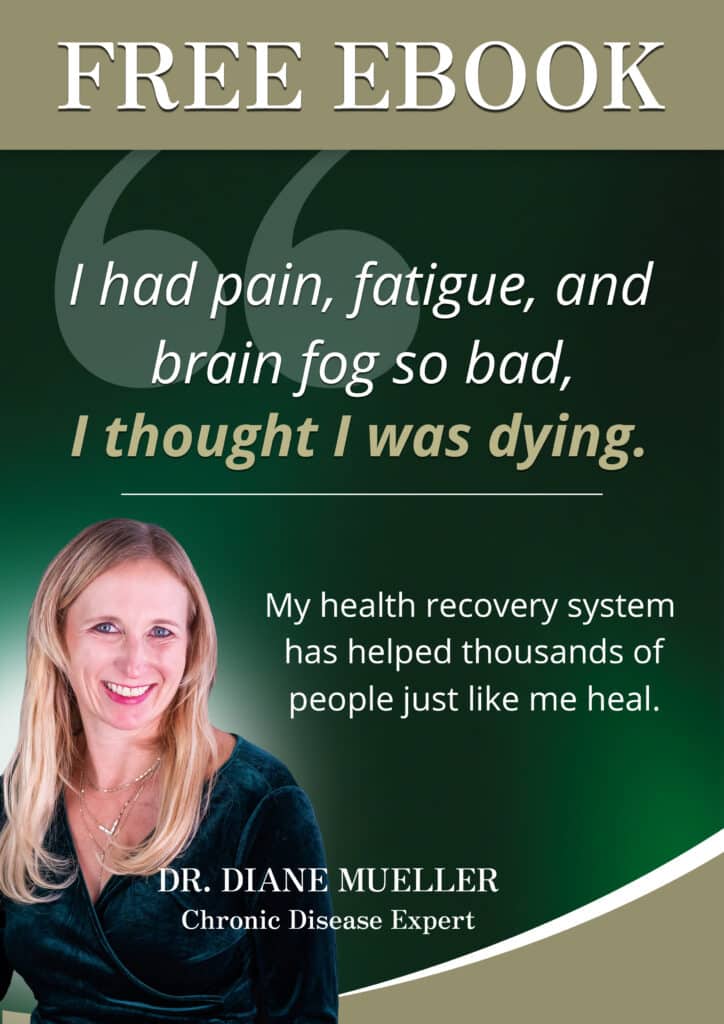
Patients often choose My Lyme Doc because they want a licensed naturopathic doctor approach that blends functional medicine with lived experience and real clinical structure. Dr. Diane Mueller’s own story of healing from Lyme, mold illness, and chronic IBS shapes the care model in a very practical way: listen closely, investigate deeply, and treat the whole system.
Colorado-based care by video visit
Integrative, root-cause evaluation for complex chronic illness
Focus on Lyme, chronic Lyme, mold illness, and co-infections
Telehealth accessibility for Colorado patients
Education-forward care that helps you understand the “why” behind the plan
Patients often say things like:
“I finally felt heard.”
“This was the first time someone connected Lyme and mold.”
“My plan actually made sense step by step.”
You can read more patient testimonials or learn more about us.
This approach is especially helpful when previous doctors said your tests were normal, but your body kept saying otherwise.
Book Your Colorado Consultation
If you’ve been trying to piece this together on your own, you don’t need another generic directory page. You need a plan. A real one. One that looks at Lyme, chronic Lyme, co-infections, mold, immune dysfunction, and the bigger systems picture.
If you’re tired of guessing, this is the moment to get a clearer roadmap. You deserve care that listens, investigates, and helps you move forward. Work with My Lyme Doc by booking a consultation.
Frequently Asked Questions
Look for a provider experienced in treating Lyme disease and related co-infections, not just general practitioners. Focus on clinicians who offer a root-cause or functional medicine approach and clearly say they can see patients in Colorado. Telehealth options can expand access, especially if local providers lack experience with chronic or complex cases.
Yes, Colorado patients can work with a Lyme doctor through video visits. Appointments are typically conducted via secure video, allowing for in-depth consultations, symptom review, and care planning. Lab testing can often be ordered locally, while follow-up visits and treatment adjustments are managed remotely for convenience and continuity.
Share all symptoms, even those that seem unrelated. Common concerns include fatigue, brain fog, joint pain, headaches, dizziness, neuropathy, and sleep issues. It is also important to describe when symptoms started, how they have changed over time, and any possible tick exposure or environmental factors like mold.
No, a positive Lyme test is not required to book a consultation. Many patients seek care due to persistent symptoms despite normal or inconclusive test results. A qualified provider will consider your full clinical history, symptom patterns, and potential exposures, not just lab findings, when evaluating your case.
Yes, mold illness can cause symptoms that closely resemble Lyme disease, including fatigue, cognitive issues, and inflammation. Conditions like CIRS may overlap with tick-borne infections, making diagnosis more complex. Evaluating both possibilities is often important, especially when symptoms persist or do not respond as expected to treatment.
Follow-up visits are typically conducted through telehealth, allowing ongoing monitoring and adjustments to your treatment plan. Your provider will review progress, symptom changes, and any test results. These visits help ensure your care stays personalized and responsive, especially for complex or chronic conditions that require longer-term support.
Have Lyme Disease or suspect you do?
We have helped thousands of people in Colorado, Oregon, Wyoming, New Jersey, Pennsylvania, Texas, Wisconsin, New Hampshire, Alabama, South Dakota, and Vermont restore their health and quality of life by diagnosing and treating their Lyme Disease.
Colorado tick and Lyme disease resources
These are official state and university sources for readers who want to verify tick and tick-borne disease information for Colorado.
- Colorado State University Extension, Colorado Ticks and Tick-Borne Diseases
- Colorado Tick-Borne Disease Awareness Association, Reportable Tick-Borne Diseases in Colorado
About the author
Written and medically reviewed by Dr. Diane Mueller, ND, LAc, DAOM. Dr. Mueller is a naturopathic doctor and licensed acupuncturist who has worked with more than 1,000 patients across the eleven states My Lyme Doc serves. Read more about Dr. Mueller.
Last reviewed: August 7, 2026
Medical disclaimer
This page is for general educational purposes and is not medical advice. It does not create a doctor and patient relationship, and it is not a substitute for diagnosis or treatment from your own clinician. Always talk with a qualified healthcare provider before starting, stopping, or changing any treatment. If you are experiencing a medical emergency, call 911 or go to the nearest emergency room.
Lyme disease care in the other states we serve
My Lyme Doc sees patients in eleven states, all by video visit from home. If you live in one of the others, start here. Live somewhere else? You can still be a patient if you can travel to one of these states at least once a year and have your appointments there.
- Lyme disease doctor in Wyoming
- Lyme disease doctor in New Jersey
- Lyme disease doctor in Pennsylvania
- Lyme disease doctor in Texas
- Lyme disease doctor in Wisconsin
- Lyme disease doctor in Oregon
- Lyme disease doctor in New Hampshire
- Lyme disease doctor in Alabama
- Lyme disease doctor in South Dakota
- Lyme disease doctor in Vermont
For how care works in each state, see where we practice.