
A lot of people end up here after a weird, exhausting stretch of life: you’re tired but can’t sleep well, your brain feels wrapped in cotton, your gut is moody, and every basic lab comes back “normal.” Meanwhile, your house had a leak last winter… or you’ve been living on coffee and grab-and-go snacks for months. Sound a little too familiar?
Mycotoxin illness sits in that frustrating gray zone where symptoms are real, but the story is messy. And yes, that messiness matters. Because when you understand where exposure comes from, what these toxins can actually do, and what order healing needs to happen in, things stop feeling so random. Let’s make this make sense.
Mycotoxin illness results from exposure to toxic mold compounds and often causes nonspecific symptoms like fatigue, brain fog, and digestive issues that can mimic other conditions.
Identifying mycotoxin illness requires careful history-taking about damp environments, food sources, and symptom patterns, as its symptoms overlap with many other disorders.
The most common sources of mycotoxin exposure are contaminated foods and water-damaged indoor environments, and individual susceptibility varies based on health and environmental factors.
Effective recovery from mycotoxin illness starts with removing mold exposure, supporting the body’s waste elimination systems, then focusing on rebuilding strength and resilience.
Accurate evaluation involves combining symptom review, lab tests, and environmental assessment rather than relying solely on urine mycotoxin testing or unvalidated protocols.
Avoid common pitfalls like ongoing exposure, neglecting basic health needs, and rushing treatments to prevent worsening symptoms or prolonged illness.
Have Mold Illness or suspect you do?
We have helped thousands of people in Colorado, Wyoming, New Jersey, Pennsylvania, Texas, and Wisconsin restore their health and quality of life by diagnosing and treating their Mold Illness.

Mycotoxin illness refers to symptoms and body stress linked to exposure to mycotoxins, toxic compounds made by certain molds. These compounds are well documented in contaminated foods, and they can also be part of the picture in water-damaged indoor environments.
Here’s the hard part: the symptoms are often maddeningly nonspecific. Fatigue, headaches, bloating, dizziness, brain fog, sinus issues, sleep disruption. That list overlaps with Lyme, long COVID, thyroid dysfunction, perimenopause, anemia, burnout… you get the idea.
So people get bounced around. One doctor says stress. Another says IBS. Another says your labs are “fine.”
A root-cause clinician slows down and asks better questions: When did this start? Did symptoms ramp up after a move, leak, renovation, or a stretch in a damp office? Do you flare after certain foods? That pattern-recognition piece is often what’s missing.
There’s also nuance here. Severe mycotoxin poisoning is well established, especially through food exposure. Broader claims about low-level inhaled exposure causing every chronic symptom under the sun are still debated in mainstream medicine, as outlined in this NCBI review. But “debated” doesn’t mean “imaginary.” It means you need a careful, evidence-aware evaluation, not internet panic, and not dismissal either.
Mycotoxin illness rarely looks tidy. It tends to hit systems, not just one organ.
Neurologic symptoms are common: brain fog, headaches, dizziness, poor word recall, short-term memory slips, feeling like your reaction time got weirdly slow. Patients often tell me, “I don’t feel like myself anymore.” That’s not dramatic. It’s data.
Then there’s the gut, nausea, abdominal pain, bloating, diarrhea, appetite changes. Some people feel inflamed after meals and can’t tell if it’s food sensitivity, histamine, infection, or all of the above.
You may also see fatigue, weakness, cough, wheezing, sinus congestion, and sleep that doesn’t restore you. In more serious or prolonged exposures, some mycotoxins can affect liver and kidney function. Certain toxins, such as aflatoxins and ochratoxin A, are known for those risks.
If your symptom picture feels broader than a simple allergy, a more complete mold illness symptoms review can help connect dots. Mainstream summaries like WebMD’s overview also note that symptoms can include respiratory, neurologic, and systemic complaints.
The big takeaway? The body often whispers in clusters before it screams in lab abnormalities.
The most clearly proven source of mycotoxin exposure worldwide is food. Contaminated grains, nuts, coffee, spices, dried fruit, and dairy from animals fed contaminated feed can all play a role. That surprises people. They expect the villain to be a black spot on drywall twirling its mustache.
Indoor exposure matters too, especially in water-damaged buildings. Leaks behind walls, crawl spaces, HVAC issues, old flooding, damp basements, these are common starting points. If you’re sorting out whether your environment is contributing, this piece on Can Mold Cause Illness is a practical place to begin.
And no, two people can live in the same home and react very differently.
Why? Dose and duration matter. So do age, nutrition status, alcohol use, existing liver issues, immune dysfunction, chronic infections like Lyme, and your antioxidant capacity. Some people are already running on fumes, low glutathione, inflamed gut, poor sleep, overloaded nervous system. Add mold or foodborne toxins on top, and the bucket overflows.
That’s why your story matters more than a one-size-fits-all checklist.
Have Mold Illness or suspect you do?
We have helped thousands of people in Colorado, Wyoming, New Jersey, Pennsylvania, Texas, and Wisconsin restore their health and quality of life by diagnosing and treating their Mold Illness.
A good evaluation starts with history, not hype.
You want a clinician who asks about home and work exposure, water damage, visible mold, musty smells, symptom timing, food patterns, travel, occupational risks, and other overlapping issues, Lyme, co-infections, MCAS, hormone shifts, gut infections, autoimmune patterns. Sequence matters because these conditions love to pile on and impersonate each other.
Basic medical workup still matters. CBC, metabolic panel, liver and kidney markers, inflammation, nutrient status, thyroid, and sometimes infectious or autoimmune screening help rule out other causes and catch organ stress. If there’s concern for mold-related inflammation, targeted blood tests for mold illness may add pieces to the puzzle.
Human mycotoxin testing exists, but interpretation is not perfectly standardized. That’s important. A urine test alone should not be treated like a crystal ball. In root-cause medicine, labs are part of the story, not the whole story.
Environmental assessment often matters just as much as body testing. If your home is still exposing you, no supplement stack on Earth is going to outsmart a soggy wall cavity. Harsh, but true.
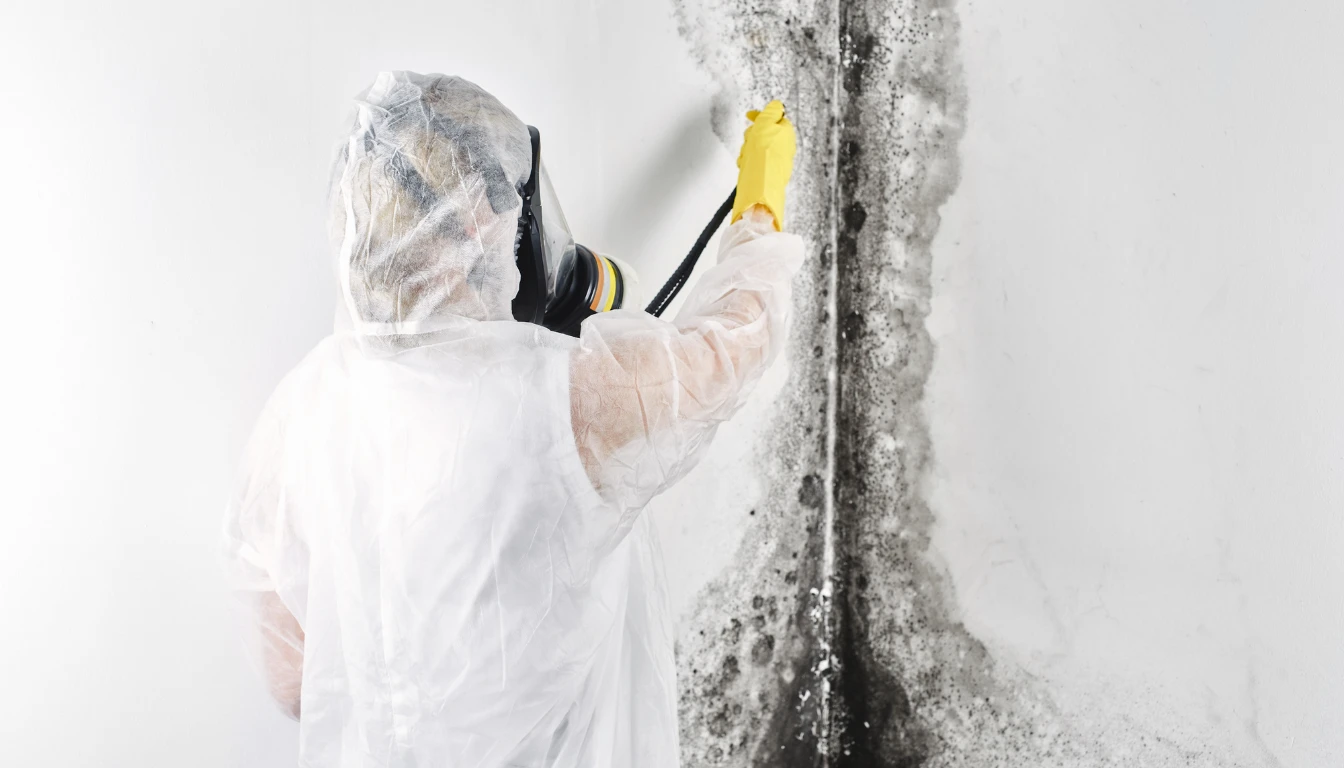
This is where people often waste time and money. They jump straight into “refresh” while sleeping in the same moldy bedroom and eating the same high-risk foods. That’s like mopping the floor while the bathtub is still overflowing.
Step 1: Remove or reduce exposure. Address water damage. Fix moisture. Remediate properly. Replace contaminated porous materials when needed. Improve food storage, and be cautious with foods more prone to contamination. If your environment is the trigger, this mycotoxin illness conversation has to happen early.
Step 2: Support drainage and elimination. In plain English: make sure your body can move waste out. That usually means hydration, bowel regularity, liver support, adequate protein, minerals, sleep, and calming an overfired nervous system. If you’re constipated, depleted, and running on caffeine, aggressive refresh can feel awful.
Step 3: Rebuild. Once the incoming burden drops and your drainage pathways are working better, you can focus on mitochondria, nutrients, gut repair, inflammation, and resilience. This is the unglamorous middle of healing. But it’s where people actually start getting their life back.
Have Mold Illness or suspect you do?
We have helped thousands of people in Colorado, Wyoming, New Jersey, Pennsylvania, Texas, and Wisconsin restore their health and quality of life by diagnosing and treating their Mold Illness.
The biggest mistake? Treating refresh like a personality trait. More binders, more sweating, more supplements, more is better… until you’re flattened on the couch wondering why your “healing protocol” feels like a part-time job and a hangover.
A few patterns show up again and again:
You keep getting exposed. Maybe the leak was “fixed,” but the materials were never properly remediated. Maybe the office still smells musty. Maybe your pantry has old grains and nuts in warm, humid storage.
You skip the basics. No hydration, poor protein intake, constipation, wrecked sleep, high stress. Drainage support isn’t trendy, but it matters.
You chase unvalidated testing or internet protocols while ignoring obvious medical needs. Severe vomiting, jaundice, respiratory distress, significant weight loss, or major weakness need standard medical evaluation, promptly.
You overlook coexisting illness. Lyme, MCAS, viral load, hormone issues, malnutrition, liver stress, these can amplify symptoms and make every intervention feel harsher.
And sometimes, honestly, you’re doing too much too fast. The body often heals better with a steady roadmap than with a biochemical cannonball.
Mycotoxin illness is real, but it isn’t simple. The most grounded path is also the least flashy: understand the exposure, rule out other causes, reduce the incoming burden, support your body’s basic refresh capacity, then rebuild in order. If you’ve felt dismissed, you’re not crazy, and you’re not doomed either. With the right sequence, the chaos usually starts to look a lot more solvable.
Mycotoxin illness is caused by toxic compounds produced by certain molds that contaminate food and indoor environments. Its symptoms such as fatigue, brain fog, and digestive issues are nonspecific, often resembling other conditions, which leads to frequent misdiagnosis or overlooked diagnoses.
Mycotoxin illness can affect multiple systems, causing neurological symptoms like brain fog and headaches, gastrointestinal issues such as bloating and nausea, respiratory complaints including cough and wheezing, fatigue, and in severe cases liver and kidney damage.
The primary source is contaminated foods like grains, nuts, and coffee, but mold growth in water-damaged buildings also contributes. Severity varies based on exposure dose, individual factors like nutrition and immune status, and existing health conditions, which influence susceptibility.
Evaluation focuses on detailed history of environmental and dietary exposures, symptom timing, and coexisting conditions, along with standard lab tests and environmental assessments. Specialized mold blood tests may help but are not definitive on their own.
First, remove or reduce exposure to mold and contaminated foods. Next, support body drainage through hydration, nutrition, and gut health. Finally, rebuild organ function and resilience by addressing inflammation and nutrient deficiencies for lasting recovery.
Yes, molds in water-damaged buildings can produce mycotoxins contributing to symptoms such as sinus issues and fatigue. However, the extent to which low-level indoor inhalation causes chronic illness remains debated, requiring careful assessment of individual exposure and symptoms.
We have helped thousands of
people restore their health
and quality of life by diagnosing
and treating their Lyme Disease and Mold Illness.
“Dr. Mueller’s approach to medicine is refreshing! There is only so much you can do with western medicine and in my life I was needing a new approach. By addressing the whole body, nutritional diet factors, environmental factors, blood work, and incorporating ideas I had not previously known, I was able to break through with my conditions. I am not only experiencing less pain in my life, but through the process of healing guided by Dr. Diane Mueller, I am now happy to say I have more consciousness surrounding how I eat, what to eat and when things are appropriate. Living by example Dr. Mueller has a vibrancy that makes you want to learn and know more about your body and overall health. I highly recommend her to anyone looking for new answers, a new approach to health, or in need of freedom from pain and limitations.”
-Storie S.
Kihei, HI
We have helped thousands of people restore their health and quality of life by diagnosing and treating their Mold Illness, Lyme Disease and other root causes.