
You go to one clinician, then another. Basic labs look “normal.” Maybe your thyroid is “fine,” your CBC is “fine,” your iron is “close enough,” and yet your life absolutely is not fine. You’re exhausted after a full night’s sleep. You forget words mid-sentence. Your joints ache in weird, shifting ways. Anxiety ramps up for no obvious reason. And somewhere along the way, you start wondering if you’re losing your mind, or if everyone else is missing the bigger picture.
If you’ve been told your results are fine but you know something is deeply wrong, mold illness, also called Chronic Inflammatory Response Syndrome (CIRS), may be what’s been missing from your chart.
This is where a lot of people get stuck. They’ve heard of mold allergy. They’ve heard of sinus symptoms from a damp house. But they haven’t been told that, in some people, water-damaged buildings can trigger a body-wide inflammatory response that affects the brain, immune system, hormones, gut, sleep, pain signaling, and energy production. It’s not “just allergies,” and it doesn’t always end when you move out.
What follows connects the dots: the symptom patterns, why conventional medicine often misses them, how genetic susceptibility like HLA-DR variants changes risk, and which tests actually help. If you’re not familiar with what CIRS is, start here.
Mold illness, or Chronic Inflammatory Response Syndrome (CIRS), is a systemic inflammatory condition triggered by biotoxins from water-damaged buildings, distinct from mold allergies.
Common mold illness symptoms include profound fatigue, brain fog, migratory pain, sleep disruption, hormonal changes, and multi-system involvement, often persisting even after leaving exposure.
Conventional medical tests often miss mold illness because symptoms span multiple specialties and routine labs may appear normal despite severe symptoms.
Genetic susceptibility, particularly HLA-DR variants, increases risk for mold illness by impairing biotoxin clearance, explaining why some individuals are affected more severely.
Proper diagnosis involves a combination of exposure history, specialized environmental and blood testing, Visual Contrast Sensitivity screening, and HLA-DR typing for susceptibility assessment.
Effective mold illness treatment requires a personalized, phased approach focusing first on reducing exposure and stabilizing body systems before toxin-binding therapies to support recovery.
Have Mold Illness or suspect you do?
We have helped thousands of people in Colorado, Oregon, Wyoming, New Jersey, Pennsylvania, Texas, and Wisconsin restore their health and quality of life by diagnosing and treating their Mold Illness.

Mold illness is not the same thing as a mold allergy.
A mold allergy is an immune reaction, typically histamine-driven, that can cause sneezing, itchy eyes, wheezing, or sinus congestion when you’re around mold spores. Standard allergy testing may detect that.
Mold illness/CIRS is different. It refers to a chronic inflammatory response triggered by biotoxins from water-damaged buildings, microbes, and sometimes overlapping exposures. In susceptible people, the immune system doesn’t clear those toxins efficiently. Instead, it stays stuck in an alarm state.
In plain language, the biotoxin pathway works like this:
you’re exposed to toxins, fragments, and inflammatory compounds from a water-damaged environment
your immune system recognizes danger but may not package and eliminate it well
inflammatory messengers stay elevated
circulation, hormones, mitochondria, and nervous system signaling get disrupted
symptoms show up across multiple body systems at once
That’s why mold toxicity symptoms can look so confusing. One day it’s fatigue and word-finding trouble. The next it’s dizziness, insomnia, nausea, or pain that seems to roam from place to place.
This systemic pattern is one reason so many people searching how to know if you have mold illness feel overlooked. Routine screening often isn’t designed to catch a complex inflammatory syndrome. Published research on CIRS about biomarkers and case definitions are cited in the peer-reviewed literature indexed by the National Library of Medicine.
And yes, a person can still feel terrible after leaving the original building. Once the inflammatory cascade is established, symptoms may persist until the underlying physiology is addressed. That’s a major clue this is more than an allergy flare.
One of the strongest clues is pattern recognition. Mold illness symptoms rarely stay in one lane. They tend to stack, fatigue, brain fog, pain, sleep disruption, gut issues, mood changes, hormone shifts, and strange sensitivity to environments or chemicals.
Below are common CIRS symptoms, grouped the way a clinician thinks about them.
The hallmark symptom for many people is profound, unrefreshing fatigue. Not ordinary tiredness. More like your battery never charges past 20%.
Common symptoms include:
waking up exhausted even after 8-10 hours of sleep
afternoon crashes
post-exertional worsening after exercise, stress, or travel
weakness or “heavy limbs”
poor stamina
feeling wired but tired at night
difficulty recovering from normal daily tasks
This is where mold illness fatigue stands out. People often say, “I used to push through. Now a grocery run feels like a marathon.”
Neurological symptoms are some of the most unsettling, and the most dismissed.
Common neurological and cognitive symptoms include:
brain fog
poor short-term memory
word-finding problems
trouble concentrating
slowed processing speed
headaches or migraines
dizziness or lightheadedness
tingling, numbness, or strange nerve sensations
sound/light sensitivity
balance issues
tremor or internal vibration
These mold illness brain fog symptoms can feel like your thoughts are moving through wet cement. See our full breakdown of neurological mold exposure symptoms. And if forgetting names, appointments, or basic tasks has scared you, that concern is real: some patients specifically notice memory loss from mold.
Respiratory symptoms are common, but here’s the catch: they may or may not dominate the picture.
Possible respiratory symptoms include:
sinus congestion
chronic cough
throat irritation
postnasal drip
shortness of breath
chest tightness
wheezing
increased sensitivity in damp buildings
The CDC notes that damp buildings are associated with respiratory symptoms, asthma aggravation, and hypersensitivity reactions, which is part of why home history matters so much in suspected mold-related illness.
Pain in mold illness is often migratory. It moves. That’s one reason it gets misfiled.
Common musculoskeletal symptoms include:
migratory joint pain
muscle aches
morning stiffness
cramps
tendon or fascia discomfort
pain that flares after exposure to musty places
A lot of people with biotoxin illness symptoms say their pain doesn’t behave like an injury. It feels more like inflammation with no obvious map.
Have Mold Illness or suspect you do?
We have helped thousands of people in Colorado, Oregon, Wyoming, New Jersey, Pennsylvania, Texas, and Wisconsin restore their health and quality of life by diagnosing and treating their Mold Illness.
Your gut is often part of the story, especially when chronic inflammation, mast cell activation, infections, or stress physiology are layered in.
Common GI symptoms include:
bloating
abdominal pain
constipation
diarrhea
reflux
food sensitivities
low appetite
nausea
That last one gets overlooked constantly. Yet mold-related nausea is a real complaint in susceptible patients, especially during active exposure or detoxification attempts.
Mold illness can disrupt signaling far beyond the immune system.
Symptoms in this category may include:
temperature dysregulation
night sweats
low stress tolerance
menstrual irregularity
low libido
frequent infections
prolonged recovery from illness
excessive thirst or frequent urination
poor resilience under stress
In CIRS models, markers such as MSH, TGF-beta, MMP-9, ADH/osmolality, and sometimes low VIP can reflect dysregulation, though interpretation should be clinician-guided.
This section matters because many patients are told their symptoms are “just anxiety.”
Mold illness can be associated with:
anxiety
panic-like feelings
irritability
depression
overwhelm
sleep-onset insomnia
frequent waking
feeling emotionally unlike yourself
That doesn’t mean symptoms are imagined. Neuroinflammation changes how the brain processes threat, sensory input, and rest. Visit our page on mold, anxiety and depression to learn more about the biotoxin-mood link.
Skin isn’t always the main complaint, but it can be part of the pattern.
Possible skin symptoms include:
rashes
itching
flushing
hives
heightened reactivity to products or fabrics
static-shock-type sensitivity or crawling sensations
If you’re nodding along to a lot of these, you’re not overreacting. The key is the multi-system cluster, especially when symptoms worsen in certain environments and routine labs don’t explain the severity. A broader overview of mold illness can help you compare your own pattern more clearly.
This distinction trips up a lot of people.
Symptoms of living in a moldy house often flare with exposure. You walk into the basement, old office, or water-damaged apartment and feel worse, headache, congestion, fatigue, anxiety, cough, dizziness, maybe a weird “off” feeling you can’t quite explain. Then you leave and improve, at least somewhat.
With established mold illness/CIRS, the inflammatory response has become more self-sustaining. You may still react strongly to moldy environments, but symptoms don’t fully shut off once you leave. That’s where the question comes in: “I moved, so why do I still feel terrible?”
Because ongoing exposure is not always required once the illness pattern is established.
Biotoxins and inflammatory signaling can keep the immune system activated. The nervous system may stay stuck in fight-or-flight. Hormonal signaling can remain impaired. Gut function may have shifted. Sleep may still be broken. And in some cases, hidden ongoing exposures, belongings, workplace, HVAC systems, cross-contamination, or unresolved sinus colonization such as MARCONS, keep adding fuel.
So yes, active exposure symptoms and established CIRS overlap, but they’re not identical. That difference explains why some people improve quickly after remediation, while others need a much more structured recovery roadmap.
If you’re trying to sort out whether your home is part of the problem, the HERTSMI score is often one of the most practical next steps. Dr. Diane Mueller’s team breaks down how the scoring works, what the ranges mean, and when a result raises concern inside their HERTSMI-2 test resource.

Usually, it’s not because you’re imagining things. It’s because the system is built to look for cleaner, more familiar categories.
Conventional medicine often separates symptoms by specialty:
neurology for headaches and brain fog
rheumatology for pain
GI for bloating and nausea
psychiatry for anxiety
endocrinology for fatigue
allergy for congestion
But mold illness doesn’t respect those borders.
Routine labs can also be deceptively normal. A CBC, CMP, TSH, or standard inflammatory markers may not capture the chronic inflammatory response syndrome symptoms pattern. If no one asks about water damage, musty buildings, symptom worsening in certain environments, or overlapping infections, the root issue stays hidden.
Another problem: many clinicians are trained to think of mold primarily as allergy, asthma, or infection in highly immunocompromised patients. They are not necessarily trained in biotoxin illness, environmental testing interpretation, VCS screening, or Shoemaker-style biomarker patterns.
That leaves patients with normal basic testing but very abnormal lives.
And that’s deeply frustrating.
The EPA has long emphasized that moisture control and prompt remediation matter because mold growth in buildings is a health concern, not just a cosmetic one. But the leap from “damp buildings can affect health” to “this patient may have systemic mold illness” still gets missed every day.
If you’ve been brushed off because allergy testing was negative, that still doesn’t rule out biotoxin illness or CIRS.
Have Mold Illness or suspect you do?
We have helped thousands of people in Colorado, Oregon, Wyoming, New Jersey, Pennsylvania, Texas, and Wisconsin restore their health and quality of life by diagnosing and treating their Mold Illness.
This is one of the most important distinctions in the whole conversation.
Feature | Mold Allergy | Mold Illness / CIRS |
|---|---|---|
Main mechanism | Histamine/IgE-type allergic response | Chronic inflammatory response to biotoxins in susceptible people |
Common triggers | Mold spores, seasonal/fungal exposure | Water-damaged buildings, microbial fragments, mycotoxins, biotoxin burden |
Typical symptoms | Sneezing, itchy eyes, runny nose, wheezing | Fatigue, brain fog, migratory pain, dizziness, memory issues, hormonal changes, sleep disruption, multi-system symptoms |
Symptom pattern | Mostly respiratory/allergy-type | Systemic and multi-body-system |
Standard allergy testing | May be positive | Often negative |
Routine blood work | Often normal | Often still normal on standard labs |
Improves after leaving exposure? | Usually improves fairly quickly | May improve partially, but can persist after leaving exposure |
Genetic susceptibility | Not usually framed around HLA-DR | Often linked to HLA-DR susceptibility patterns |
Testing approach | Allergy history, IgE/allergy workup | Environmental testing, VCS, biomarkers, HLA-DR typing, mycotoxin testing |
Treatment focus | Allergen avoidance, antihistamines, asthma/allergy care | Remove exposure, calm inflammation, address colonization, support refresh/binders, correct physiologic imbalances |
If you’ve been comparing mold allergy vs mold illness and wondering why antihistamines didn’t fix the bigger picture, this is usually why. These conditions can overlap, you can have both, but they are not interchangeable.
And if your symptoms include profound fatigue, cognitive dysfunction, migratory pain, and environmental worsening, the phrase mold illness vs mold allergy symptoms becomes more than semantics. It changes the whole diagnostic path.
Not everyone exposed to water-damaged buildings gets chronically ill. That part is confusing, and honestly, maddening when the rest of the household seems “fine.” But there are real reasons susceptibility differs.
One major piece is HLA-DR genetic susceptibility. In Shoemaker’s work, roughly 24% of the population may carry HLA-DR patterns associated with reduced ability to clear certain biotoxins effectively. That doesn’t aim illness, but it can change how your body handles exposure.
This is why one person can walk through a moldy office and bounce back, while another develops persistent mycotoxin illness symptoms and CIRS features.
If you suspect this applies to you, a targeted HLA-DR gene test can help clarify susceptibility. Some patients pursue testing specifically to get an HLA-DR gene test when they notice a strong family pattern or disproportionate reactions to moldy spaces.
Genes are only part of the story. Risk also rises when mold intersects with other chronic stressors.
Common compounding factors include:
Lyme disease and co-infections, which can overlap heavily with Lyme disease and biotoxins
MCAS or mast cell activation, which can amplify reactivity
gut dysfunction such as dysbiosis, IBS, or increased intestinal permeability
adrenal dysfunction/HPA-axis strain, often showing up as poor stress tolerance and wired-tired sleep patterns
prior toxin load, chronic infections, or nervous system dysregulation
This is why a systems-based clinician matters. Complex chronic illness is rarely one neat box.
There isn’t one single perfect test. Proper diagnosis is about pattern + exposure history + environment + physiology.
A thoughtful workup often includes:
Exposure history
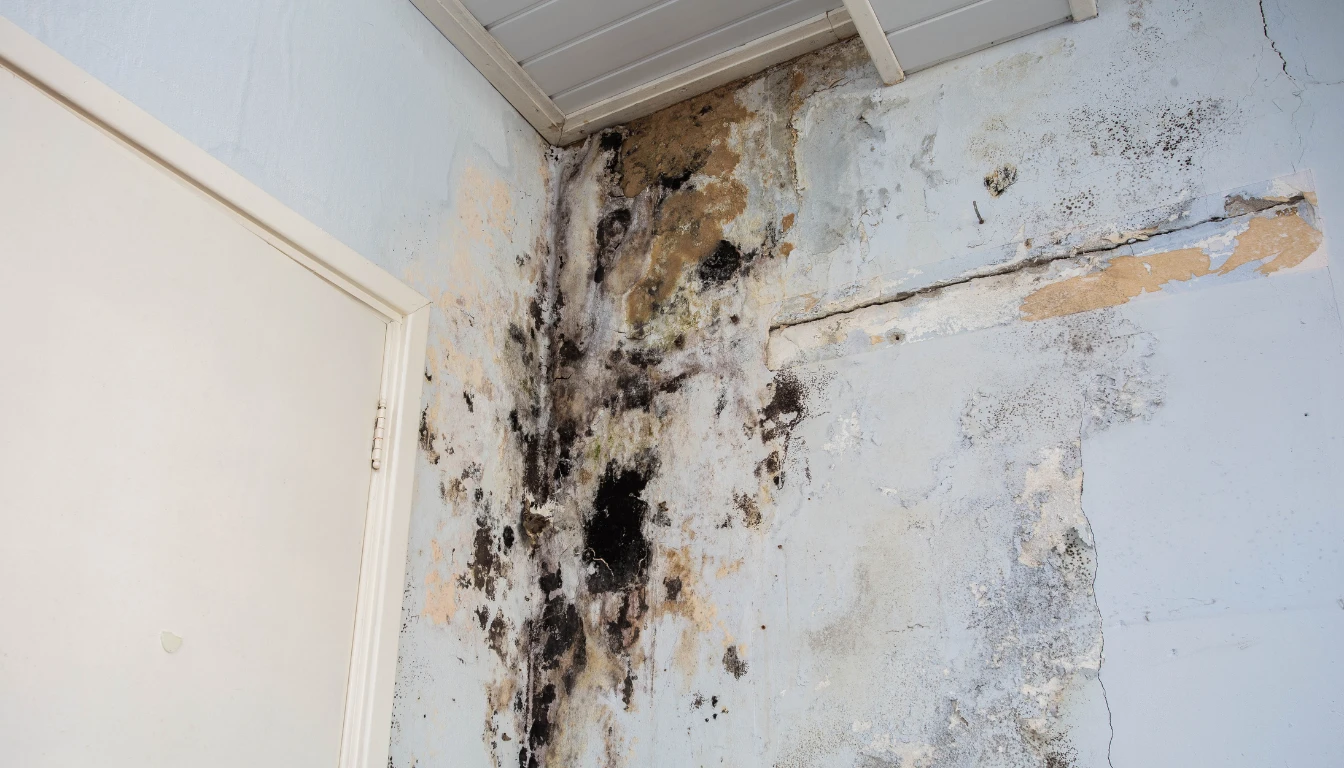
Water damage, musty smells, roof or plumbing leaks, visible growth, condensation, workplace exposures, symptom flares in certain buildings.
Environmental testing
Tools such as the HERTSMI-2 test and ERMI testing can help assess whether a home may be contributing to illness. HERTSMI-2 is often used clinically because it focuses on mold species associated with water-damaged buildings, including Aspergillus, Penicillium, and Stachybotrys chartarum.
VCS testing
The VCS test (Visual Contrast Sensitivity) is a screening tool used in CIRS evaluation. It’s not diagnostic by itself, but it can support the bigger picture.
Blood biomarkers
A blood test for mold illness may include markers such as TGF-beta1, MMP-9, C4a, VEGF, ADH/osmolality, MSH, and other inflammation-related measures depending on the clinician’s framework.
HLA-DR typing
Useful for susceptibility, not diagnosis by itself.
This can assess compounds such as ochratoxin, trichothecenes, and aflatoxin. It has limitations and should be interpreted in context, but it may still be helpful among broader mold toxicity testing options.
No single lab should be treated as the whole story. Your symptoms, building history, and multi-system pattern matter just as much.
If your symptoms clearly worsen in certain environments, don’t guess at the building. A structured home screen can save you months of confusion, and expensive headaches down the road.
Treatment should be individualized, and it shouldn’t start with random refresh just because the internet yelled “binders.” at you.
A clinically grounded approach often includes:
removing or reducing ongoing exposure first
stabilizing sleep, nutrition, bowel function, hydration, and nervous system regulation
using binder therapy when appropriate to help interrupt toxin recirculation
evaluating hidden contributors such as MARCONS mold illness patterns, sinus issues, gut dysfunction, MCAS, and infections
correcting physiologic imbalances like low MSH or low VIP in properly selected cases
considering Shoemaker-style sequencing, including when VIP peptide may fit later in care
This is where order matters. If you push refresh in a depleted, inflamed body, people often crash.
Briefly, Shoemaker Protocol concepts may involve environmental control, taking binders for mold detox, MARCoNS evaluation in selected patients, and later support for signaling pathways such as VIP peptide for CIRS. But treatment is not one-size-fits-all, and it should not replace personal medical care.
If you want the longer clinical roadmap, check out the full guide to mold illness treatment.
The short version: effective care usually means treating the terrain, not just chasing the toxin.
Dr. Diane Mueller, ND, DAOM brings something many patients can feel within minutes: pattern recognition plus lived understanding. She’s recovered from Lyme disease, mold illness, and chronic IBS herself, and her clinical model reflects what complex patients actually need, structure, sequencing, and someone who believes them.
Her differentiator is simple but important: Phase 1 is building the body before refresh.
That means supporting foundations first:
nervous system regulation
mitochondrial and adrenal support
gut resilience
sleep and drainage capacity
reducing inflammatory overload so treatment is tolerated better
This is especially relevant if you’ve tried aggressive refresh before and felt flattened by it.
As Dr. Mueller puts it: “We don’t just treat the mold. We treat the person the mold broke down.”
And also: “We don’t just treat the mold. We bring all of you back into balance.”
That systems-thinking lens matters when mold overlaps with Lyme, MCAS, hormone disruption, GI dysfunction, or chronic stress physiology. It also matters when you’re trying to stop the endless cycle of fragmented care.
If you’re at the stage of finding a doctor who treats mold illness, look for someone who can connect the whole symptom picture, not just one lab value.
Medical disclaimer: This content is for informational purposes only and does not constitute medical advice, diagnosis, or treatment. Mold illness and CIRS evaluation should be consulted with a qualified clinician.
Have Mold Illness or suspect you do?
We have helped thousands of people in Colorado, Oregon, Wyoming, New Jersey, Pennsylvania, Texas, and Wisconsin restore their health and quality of life by diagnosing and treating their Mold Illness.
Yes. The most toxic molds, including Stachybotrys (black mold) and Aspergillus species often grow inside walls, under flooring, and in HVAC systems where they’re invisible. You can be severely ill from mold you’ve never seen.
For most people, no, especially if they have the HLA-DR gene variant. The inflammatory cascade of CIRS is self-perpetuating once established. Treatment typically requires a structured protocol including binders, environmental remediation, and hormonal restoration.
Yes. CIRS (Chronic Inflammatory Response Syndrome) is documented in peer-reviewed research, primarily by Dr. Ritchie Shoemaker. It has defined laboratory criteria, specific biomarkers, and an established treatment protocol. The challenge is that most conventional physicians are not trained in it.
Yes. Neuroinflammation from mycotoxins directly impacts brain function. Patients with CIRS commonly experience anxiety, depression, irritability, and mood instability, often before other symptoms are connected to mold. These are physiological symptoms of biotoxin illness, not psychiatric in origin.
Shoemaker, R. C., House, D., & Ryan, J. C. (2010). Defining the neurotoxin derived illness chronic ciguatera using markers of chronic systemic inflammatory disturbances: A case/control study. Neurotoxicology and Teratology, 32(6), 633–639. PubMed: https://pubmed.ncbi.nlm.nih.gov/20685390/
Shoemaker, R. C., House, D., & Ryan, J. C. (2013). Vasoactive intestinal polypeptide (VIP) corrects chronic inflammatory response syndrome (CIRS) acquired following exposure to water-damaged buildings. Health, 5(3), 396–401. (Full text: https://www.scirp.org/journal/paperinformation?paperid=28586)
Shoemaker, R. C., House, D., & Ryan, J. C. (2014). Structural brain abnormalities in patients with inflammatory illness acquired following exposure to water-damaged buildings: A volumetric MRI study using NeuroQuant®. Neurotoxicology and Teratology, 45, 18–26. PubMed: https://pubmed.ncbi.nlm.nih.gov/24946038/
Dooley, M., Vukelic, A., & Jim, L. (2024). Chronic inflammatory response syndrome: A review of the evidence of clinical efficacy of treatment. Annals of Medicine and Surgery, 86(12), 7248–7254. PMC: https://pmc.ncbi.nlm.nih.gov/articles/PMC11623837/
Saghir, S. A., & Ansari, R. A. (2024). HLA gene variations and mycotoxin toxicity: Four case reports. Mycotoxin Research, 40(1), 159–173. PubMed: https://pubmed.ncbi.nlm.nih.gov/38198040/
We have helped thousands of
people restore their health
and quality of life by diagnosing
and treating their Lyme Disease and Mold Illness.
“Dr. Mueller’s approach to medicine is refreshing! There is only so much you can do with western medicine and in my life I was needing a new approach. By addressing the whole body, nutritional diet factors, environmental factors, blood work, and incorporating ideas I had not previously known, I was able to break through with my conditions. I am not only experiencing less pain in my life, but through the process of healing guided by Dr. Diane Mueller, I am now happy to say I have more consciousness surrounding how I eat, what to eat and when things are appropriate. Living by example Dr. Mueller has a vibrancy that makes you want to learn and know more about your body and overall health. I highly recommend her to anyone looking for new answers, a new approach to health, or in need of freedom from pain and limitations.”
-Storie S.
Kihei, HI
We have helped thousands of people restore their health and quality of life by diagnosing and treating their Mold Illness, Lyme Disease and other root causes.