

Written and medically reviewed by Dr. Diane Mueller, ND, LAc, DAOM, founder of MyLymeDoc. Last reviewed May 20, 2026.
You can feel deeply unwell for years and still be told your labs are “fine.” That’s exactly why CIRS symptoms get missed so often. Chronic Inflammatory Response Syndrome is used in integrative and specialty medicine to describe a multi-system inflammatory illness, often linked to water-damaged buildings and biotoxin exposure. In this text, you’ll get a clear, science-based look at what CIRS symptoms really feel like, why they tend to hit several body systems at once, how they overlap with Lyme disease and mold illness, and when those symptoms need prompt medical attention.
CIRS symptoms involve multi-system inflammatory illness often triggered by biotoxin exposure from water-damaged buildings.
Common CIRS symptoms include fatigue, brain fog, respiratory issues, gastrointestinal distress, and skin sensitivity, affecting multiple body systems simultaneously.
CIRS symptoms overlap with conditions like Lyme disease and mold illness, making thorough exposure and medical history evaluation essential.
Persistent exposure to toxins and additional factors like poor sleep or stress can worsen or prolong CIRS symptoms.
Prompt medical attention is necessary for severe symptoms like chest pain or sudden vision loss, while chronic multi-system symptoms warrant detailed medical assessment.
Effective management involves reducing toxin exposure, clarifying all symptoms, and addressing affected body systems in a stepwise approach.
Have Mold Illness or suspect you do?
We have helped thousands of people in Colorado, Oregon, Wyoming, New Jersey, Pennsylvania, Texas, and Wisconsin restore their health and quality of life by diagnosing and treating their Mold Illness.

CIRS rarely shows up as one tidy complaint. More often, you feel like your whole body is off. Fatigue is common, but not ordinary tiredness. It’s the kind that makes basic tasks feel strangely heavy.
Many people also report brain fog, poor concentration, short-term memory issues, headaches, dizziness, sinus congestion, cough, air hunger, muscle aches, GI distress, skin sensitivity, thirst, frequent urination, and sleep disruption. That broad pattern is one reason a CIRS symptoms list can seem overwhelming at first.
In specialty practice, this is often framed as biotoxin illness or chronic inflammatory response syndrome symptoms related to mold exposure. If you’ve been comparing your experience to mold illness symptoms, the overlap is real. Mainstream medicine, but, does not universally recognize CIRS as a formally established diagnosis, even though mold and damp-building exposure can clearly trigger respiratory and inflammatory symptoms. That distinction matters.
This is the part many patients find validating: you’re not imagining the scattershot nature of your symptoms. If the underlying issue involves ongoing inflammatory signaling after biotoxin exposure, the effects won’t stay neatly in one lane.
Proposed CIRS mechanisms involve innate immune activation, cytokines, complement pathways, and downstream effects on the nervous system, hormones, and mucosal surfaces. In plain English, inflammation may ripple through the brain, sinuses, lungs, gut, muscles, and autonomic system at the same time.
That helps explain why symptoms of CIRS can include brain fog in the morning, bloating after meals, sinus pressure by afternoon, and insomnia at night. Sequence matters too. When one system becomes dysregulated, others often follow. If you’re still asking what is CIRS symptoms supposed to mean in real life, it usually means a multi-system pattern that doesn’t fit a single conventional box.
A practical way to understand CIRS diagnosis symptoms is by grouping them by system:
General: crushing fatigue, weakness, poor stamina, night sweats, temperature swings
Neurologic/cognitive: brain fog, word-finding trouble, memory lapses, headaches, dizziness, tingling, balance issues
Mood/sleep: anxiety, irritability, insomnia, depression, feeling wired but exhausted
ENT/eyes: sinus congestion, red eyes, blurry vision, light sensitivity, tinnitus, sore throat
Respiratory: cough, wheeze, chest tightness, shortness of breath
Musculoskeletal: joint pain, morning stiffness, muscle aches, cramps, burning or shooting pain
GI: nausea, bloating, abdominal pain, diarrhea, constipation
Skin/autonomic: rashes, itching, static shocks, excessive thirst, frequent urination
This is why CIRS brain symptoms and CIRS fatigue are only part of the story. The bigger clue is clustering.
Have Mold Illness or suspect you do?
We have helped thousands of people in Colorado, Oregon, Wyoming, New Jersey, Pennsylvania, Texas, and Wisconsin restore their health and quality of life by diagnosing and treating their Mold Illness.
Here’s the hard truth: overlap is enormous. Lyme disease, mold illness, chronic viral issues, thyroid dysfunction, autoimmunity, sleep disorders, and even ME/CFS can all produce fatigue, pain, cognitive changes, and mood symptoms.
CIRS becomes more suspect when symptoms worsen in a water-damaged building, improve when you leave, and involve multiple systems at once. Lyme may stand out more when there’s tick exposure, migratory pain, neuropathy, or a compatible infectious history. And sometimes it isn’t either-or. It’s both.
That’s why a root-cause evaluation has to be structured. Exposure history matters. Standard medical workup matters. So does ruling out better-supported diagnoses. For comparison, chronic fatigue syndrome can also feature post-exertional exhaustion, sleep problems, and cognitive dysfunction, while classic systemic inflammatory response syndrome refers to a very different acute medical state. Similar acronyms, very different contexts. For an overview of how treatment looks like, visit our page on CIRS treatment.
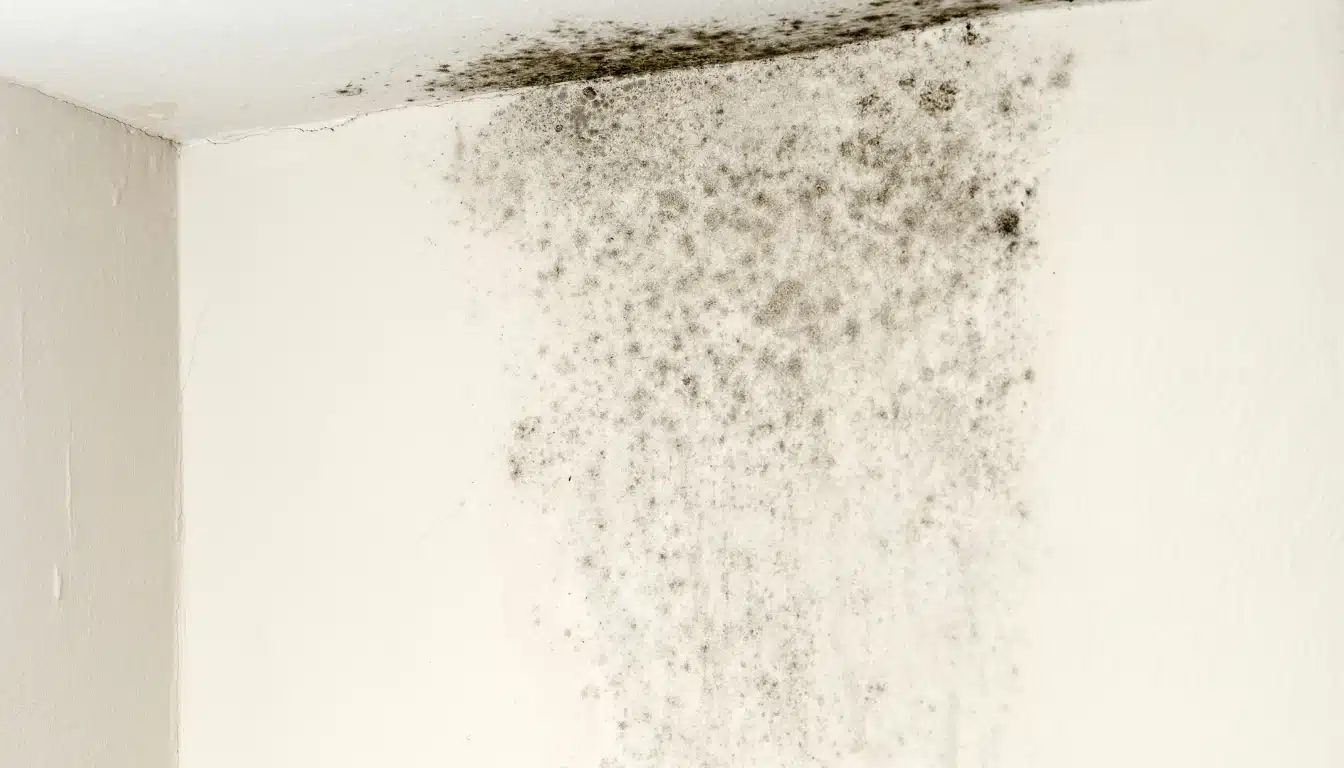
The biggest driver is usually continued exposure. If you’re sleeping, working, or recovering in a water-damaged environment, the inflammatory loop may keep getting re-triggered.
Other factors can pile on: poor sleep, ongoing infections, untreated allergies or asthma, high stress, overexertion, and a dysregulated nervous system. None of those prove Shoemaker CIRS symptoms, but they can absolutely amplify them.
Some patients notice sharper CIRS mold symptoms after entering specific buildings, during humid weather, or after stirring up dust. Others feel stuck even after leaving exposure because downstream systems, gut, hormones, mitochondrial function, refresh pathways, haven’t stabilized yet. That’s one reason quick-fix thinking usually backfires. With complex biotoxin illness symptoms, order of operations matters: reduce exposure, clarify the full picture, then address the systems that were thrown off.
If you’ve heard of Hyperbaric Oxygen Therapy or HBOT as treatment for CIRS symptoms and Lyme, our HBOT page discusses the evidence and what the patients themselves report.
Have Mold Illness or suspect you do?
We have helped thousands of people in Colorado, Oregon, Wyoming, New Jersey, Pennsylvania, Texas, and Wisconsin restore their health and quality of life by diagnosing and treating their Mold Illness.
Always take persistent multi-system illness seriously, especially if you’ve been brushed off before. But some symptoms need urgent care, not more online research.
Get prompt medical evaluation for new chest pain, significant shortness of breath, high fever, coughing up blood, severe confusion, one-sided weakness, seizures, sudden vision loss, or suicidal thoughts. Those are not routine chronic inflammatory response syndrome symptoms.
On the non-emergency side, it’s still worth a thorough workup if you’ve had months of unexplained fatigue, brain fog, GI issues, sinus problems, pain, or mood changes, particularly when symptoms tie to a home, office, or school. If several people in the same environment are also sick, that pattern deserves attention. A more detailed overview of What Is CIRS? may help you organize questions, but it shouldn’t replace personalized medical assessment.
If you’ve been told your symptoms are too random to connect, this is the section that matters most. In CIRS-aware care, pattern recognition is everything.
Clinicians usually get suspicious when symptoms span multiple systems at once: cognitive issues plus sinus congestion, gut disruption, pain, sleep problems, temperature dysregulation, and chemical sensitivity. Certain combinations also stand out, brain fog with light sensitivity, frequent urination with feeling cold or overheated, static shocks, “ice-pick” pains, or symptom flares in a specific home, office, or school.
The timeline matters too. Did you get worse after moving into a water-damaged building? Do you feel clearer when traveling, then crash again when you return? That kind of reproducible exposure-response pattern is hard to ignore.
At My Lyme Doc, this is the kind of root-cause detective work that often changes the entire roadmap. The key point is this: when symptoms are chronic, multi-system, and exposure-linked, CIRS may be the missing explanation.
CIRS symptoms are confusing precisely because they affect so many systems at once, brain, energy, hormones, gut, lungs, skin, and mood. But confusing doesn’t mean imaginary. If your symptoms worsen in water-damaged spaces, overlap with mold illness or Lyme disease, and never fit one tidy diagnosis, there may be a real pattern underneath. And once you identify the pattern, you can finally start asking better questions, and getting closer to real answers.
Common CIRS symptoms include profound fatigue, brain fog, headaches, sinus congestion, muscle aches, digestive issues, skin sensitivity, mood changes, and sleep disturbances, often affecting multiple body systems simultaneously.
CIRS involves dysregulated inflammatory signaling triggered by biotoxin exposure, activating immune pathways that impact the brain, respiratory system, muscles, gut, and autonomic functions, leading to widespread symptoms across systems.
CIRS symptoms worsen with exposure to water-damaged buildings and involve multiple systems. Lyme disease often includes tick exposure and migratory pain. Mold illness overlaps but is usually framed as allergic or irritant responses; a structured medical evaluation is essential to distinguish these.
Persistent or repeated exposure to biotoxins, poor sleep, ongoing infections, allergies, high stress, and unresolved underlying conditions can amplify or prolong CIRS symptoms beyond initial exposure.
Urgent evaluation is needed for new or worsening chest pain, severe shortness of breath, high fever, seizures, sudden vision loss, or suicidal thoughts, as these are not typical CIRS symptoms but indicate serious conditions.
Seek a thorough medical workup focusing on multi-system symptoms, exposure history to water-damaged environments, and rule out other diagnoses. Clinical evaluation can help clarify if symptoms align with CIRS or other conditions such as allergies or autoimmune diseases.
We have helped thousands of
people restore their health
and quality of life by diagnosing
and treating their Lyme Disease and Mold Illness.
“Dr. Mueller’s approach to medicine is refreshing! There is only so much you can do with western medicine and in my life I was needing a new approach. By addressing the whole body, nutritional diet factors, environmental factors, blood work, and incorporating ideas I had not previously known, I was able to break through with my conditions. I am not only experiencing less pain in my life, but through the process of healing guided by Dr. Diane Mueller, I am now happy to say I have more consciousness surrounding how I eat, what to eat and when things are appropriate. Living by example Dr. Mueller has a vibrancy that makes you want to learn and know more about your body and overall health. I highly recommend her to anyone looking for new answers, a new approach to health, or in need of freedom from pain and limitations.”
-Storie S.
Kihei, HI
We have helped thousands of people restore their health and quality of life by diagnosing and treating their Mold Illness, Lyme Disease and other root causes.