If you’re searching for a Lyme doctor New Jersey patients can trust, and you’re dealing with chronic or persistent symptoms, you’re not overreacting, and you’re not imagining it. We see patients in New Jersey, we evaluate both Lyme testing and treatment options, and if you’re ready for clarity, you can book a consultation now.
A lot of people land here after months, or years, of being told some version of, “Your labs are normal.” Meanwhile you’re exhausted, foggy, achy, anxious, maybe waking up feeling like your battery never charged past 12%. Sound familiar? We see that pattern every day.
And here’s the hard truth: Lyme disease, co-infections, mold illness, and chronic inflammation can overlap in messy, very human ways. That’s why a short visit and a single test often miss the full picture. If you’ve been trying to connect the dots on your own, this page is for you. Let’s talk about what a better roadmap can look like.
Key Takeaways
Finding a Lyme doctor New Jersey patients trust requires a provider who can see you in New Jersey and understands clinical diagnosis and the complexity of chronic Lyme disease.
Lyme disease symptoms can be diverse and overlapping, including fatigue, brain fog, pain, and neurological issues, often requiring a thorough, systems-based evaluation.
Co-infections like Babesia and Bartonella commonly accompany Lyme disease and significantly impact testing, treatment strategy, and symptom management.
Standard Lyme tests can miss infections; clinical history and symptom patterns are crucial for accurate diagnosis, especially when labs appear normal.
A personalized treatment plan addressing Lyme, co-infections, inflammation, and possible mold illness leads to better outcomes than one-size-fits-all approaches.
Telehealth offers New Jersey patients accessible, ongoing care from Lyme-literate doctors, enabling tailored treatment and follow-up without lengthy travel.
Looking for a Lyme Doctor in New Jersey?
If you’re trying to find a Lyme literate doctor New Jersey patients can actually talk to, you need more than a quick dismissal and a checkbox workup. You need someone who understands that chronic symptoms deserve a real investigation.
At My Lyme Doc, we see patients in New Jersey and offer telehealth care for people dealing with suspected Lyme, chronic Lyme disease, co-infections, mold illness, and other complex root-cause issues. We look at symptom history, testing limits, treatment response, and the bigger systems picture.
If you’ve been told your labs are normal, this matters. Standard testing can miss cases. Lyme disease diagnosis is often clinical, especially when the story fits, even without a textbook tick bite or bullseye rash.
Common Symptoms We Evaluate
Lyme symptoms rarely show up as one neat complaint. More often, they arrive as a cluster that keeps changing the rules. One week it’s crushing fatigue. Next week it’s air hunger, joint pain, palpitations, headaches, or weird nerve zaps that make you feel like your body is freelancing.
Common symptom clusters we evaluate include:
persistent fatigue or post-exertional crashes
brain fog, poor word recall, memory changes
migrating joint pain and muscle aches
headaches, dizziness, light sensitivity
numbness, tingling, tremors, nerve pain
sleep disruption, anxiety, mood shifts
night sweats, shortness of breath, temperature swings
gut issues, food sensitivities, histamine reactions
Early vs Persistent Symptoms
Early Lyme symptoms can look flu-like: fever, chills, body aches, headache, swollen glands, and sometimes a rash. But many people never see a tick bite, and many never get the classic bullseye rash.
Persistent symptoms are different. They tend to be more layered, fatigue that won’t quit, cognitive dysfunction, pain that migrates, and a nervous system that feels stuck in fight-or-flight. If you had early treatment and still don’t feel right, yes, symptoms can continue. That deserves a deeper workup, not a shrug.
Have Lyme Disease or suspect you do?
We have helped thousands of people in Colorado, Oregon, Wyoming, New Jersey, Pennsylvania, Texas, Wisconsin, New Hampshire, Alabama, South Dakota, and Vermont restore their health and quality of life by diagnosing and treating their Lyme Disease.
Brain Fog, Fatigue, Pain, and Neurological Symptoms
Brain fog isn’t just forgetting where you put your keys. It can feel like thinking through wet cement. Fatigue can be bone-deep, the kind that a weekend off doesn’t touch. And neurological symptoms, tingling, burning, internal vibrations, balance issues, often scare patients because they’re so disruptive and so hard to explain in a 10-minute visit.
These are common patterns in tick-borne disease. When they travel together, we take them seriously.
When Lyme Disease Becomes Chronic or Complex
When Lyme disease becomes chronic or complex, it usually isn’t because you “did something wrong.” It’s because the illness picture got bigger. Borrelia burgdorferi can be part of the story, but so can immune dysfunction, chronic inflammation, gut issues, mitochondrial strain, mold exposure, and hidden co-infections.
This is where people start searching for a chronic Lyme doctor New Jersey residents can access without flying across the country.
We use a systems-based lens: what’s driving symptoms now, what came first, and what has to happen first in treatment. Sequence matters. If your body is overloaded, pushing aggressive treatment too soon can backfire and trigger Herx reactions or setbacks.
Co-Infections and Related Conditions
Lyme is rarely alone. That’s one of the biggest misconceptions we clear up. Tick-borne disease often includes co-infections that shift symptoms, testing strategy, and treatment response. If you’ve plateaued with basic Lyme treatment, this is one place to look.
We often evaluate for overlapping issues using symptom patterns and appropriate labs, including Lyme co-infections and co-infections testing. Related conditions can include EBV reactivation, gut dysfunction, mast cell activation, hormonal imbalance, and nervous system dysregulation.
Babesia and Bartonella Overlap
Two of the most common troublemakers are Babesia and Bartonella.
Babesia symptoms can include night sweats, air hunger, chest pressure, dizziness, anxiety, and fatigue that feels oddly “wired and tired.” Bartonella symptoms often lean more neurological: irritability, insomnia, foot pain, nerve pain, rib pain, ragey mood swings, and cognitive changes.
They can overlap with Lyme in ways that blur the lines. That’s why targeted review, and sometimes Babesia testing, can be so important.
Why Co-Infections Change Treatment Strategy
Co-infections change treatment because they change the terrain. A protocol that helps plain-vanilla Lyme, if there were such a thing, may fall flat when Babesia, Bartonella, mold, or immune dysregulation are active too.
You may need a multi-layer strategy that supports detoxification, calms inflammation, improves sleep, stabilizes the nervous system, and then introduces antimicrobial or herbal treatment in the right order. This is why one-size-fits-all care often becomes an expensive headache down the road.
Testing and Diagnosis Strategy
Testing matters. But testing is not the whole story.
Our approach to Lyme disease diagnosis combines labs, clinical history, symptom patterns, exposure risk, and treatment context. If you’re trying to sort out next steps, our guides to Lyme disease testing and the best Lyme disease test can help you understand the world before you spend money blindly.
We also look beyond Lyme when your symptom picture suggests deeper complexity.

What Standard Tests Can and Cannot Show
Have you been told your labs are normal? You’re not alone.
Standard tests such as ELISA and Western blot can be useful, but they have limits. They may miss cases, especially if the immune system isn’t mounting a strong antibody response, if timing is off, or if the infection picture is more chronic and complicated. A negative test does not automatically rule out Lyme disease.
That’s one reason patients with clear symptoms often get misdiagnosed with stress, burnout, or “nothing serious.”
Clinical Diagnosis and Symptom History
A true Lyme specialist New Jersey patients trust should understand clinical diagnosis. That means looking at the pattern over time: outdoor exposure, tick bite history, symptom progression, prior infections, responses to antibiotics or herbs, mold exposure, and the exact way your body has changed.
Sometimes the aha moment is small. A patient says, “I never had a rash, but I stopped tolerating exercise, then the joint pain started, then my brain fog got weird.” That pattern speaks volumes. Your symptom history isn’t filler. It’s data.
Treatment for Lyme Disease in New Jersey
Lyme treatment should match the person in front of us, not a template from the internet. If you’re looking for a Lyme disease doctor New Jersey patients can work with over time, the goal is a personalized plan that makes sense for your body, your pace, and your full illness picture.
That can include conventional treatment, botanical support, gut repair, refresh support, sleep and nervous system work, and strategies for chronic inflammation. For a deeper look, see our page on chronic Lyme treatment.
Functional Medicine Lyme Treatment Approach
Functional medicine Lyme care asks a different question: not just “What bug is here?” but “Why is your system struggling to clear and recover?”
That means we may support immune resilience, drainage and refresh pathways, mitochondrial health, hormone balance, microbiome function, and inflammation control alongside antimicrobial treatment. It’s a root-cause roadmap.
Some patients need to go slowly. Honestly, many do. Fast isn’t always smart when your bucket is already overflowing.
Treatment Monitoring and Follow-Up
Good care doesn’t end with a protocol PDF and a cheerful wave goodbye. We monitor symptoms, track tolerance, adjust based on Herx reactions, and reassess when progress stalls.
Follow-up matters because complex illness is dynamic. What helped in month one may need changing by month three. We watch for patterns, refine the plan, and keep asking: what’s still blocking recovery? That steady, informed course correction is where a lot of healing happens.
Mold Illness and Other Overlapping Root Causes
Sometimes Lyme isn’t the only fire in the house. Mold illness is a huge one.
If you’ve done Lyme treatment but still have persistent fatigue, brain fog, sinus issues, chemical sensitivity, headaches, or weird symptom flares in certain buildings, mold exposure may be part of the picture. You can learn more about mold illness treatment and how Chronic Inflammatory Response Syndrome Decoded (CIRS) may fit when symptoms stay stubborn.
This overlap is common, not fringe.
When Mold Exposure Complicates Recovery
Mold can keep the immune system on high alert and make Lyme recovery feel stalled, confusing, or wildly inconsistent. You do everything “right,” but still crash after small stressors. That’s a clue.
In practice, mold can amplify inflammation, worsen neurological symptoms, and reduce tolerance for treatment. If that’s part of your picture, we address the environment, the inflammatory response, and the body’s ability to clear toxins, not just the infections.
How Telehealth Lyme Care Works in New Jersey
Yes, you can see a telehealth Lyme doctor New Jersey patients can access from home, as long as the provider can see patients in New Jersey. We are.
That matters when you’re exhausted, dealing with pain, or just plain tired of driving two hours for a visit that leaves you with more questions than answers. Telehealth lets you get specialist-level functional medicine Lyme care without turning the appointment itself into an endurance sport.
Telehealth Process
The process is simple and structured:
Book your visit and complete intake forms.
Review your history, symptoms, past labs, exposures, previous treatment.
Meet by telehealth with a provider who sees New Jersey patients.
Get a personalized plan for testing, treatment, and next steps.
Follow up regularly to monitor progress and adjust.
It’s designed to reduce chaos. Less guessing. More sequence.
Why New Jersey Patients Choose My Lyme Doc
New Jersey patients often come to us after seeing multiple providers and still feeling stuck. What they want is validation, strategy, and someone who can hold the full picture at once.
That’s our lane. My Lyme Doc combines lived experience, clinical pattern-recognition, and a systems-based approach to chronic illness. We understand Lyme, mold, co-infections, and the emotional wear-and-tear of not being believed.
If you want background before booking, you can learn more about us.
Patients regularly tell us some version of this: “This is the first time I felt heard.” And that matters more than people realize.
We’ve helped thousands of patients across complex chronic illness patterns, including persistent Lyme symptoms, co-infections, mold-related illness, and long-standing diagnostic dead ends. Results vary, because humans are gloriously complicated, but hope is not rare here.
You can read detailed patient testimonials to hear how others moved from confusion toward a real plan and measurable progress.
Book Your New Jersey Consultation
If you’ve been searching for a Lyme doctor New Jersey patients can see without feeling dismissed, this is your next step. Whether you suspect Lyme, chronic Lyme disease, Babesia, Bartonella, mold illness, or a layered root-cause picture, you deserve a plan built around your actual symptoms, not just a normal lab printout.
Ready for answers? Book a consultation.
Frequently Asked Questions
Yes. Many patients in New Jersey can work with a Lyme doctor through telehealth. This includes reviewing your symptom history, ordering appropriate Lyme testing, and creating a personalized treatment plan. Follow-up visits are also done virtually, making it easier to receive consistent care without traveling.
Chronic Lyme disease often presents with persistent fatigue, brain fog, joint pain, muscle aches, and neurological symptoms like tingling or headaches. Many patients also report sleep issues, mood changes, and difficulty concentrating. Symptoms can fluctuate and affect multiple systems, making them easy to misdiagnose.
Yes. Many people with Lyme disease never recall a bullseye rash or even a tick bite. Lyme can still develop without these classic signs. Diagnosis is often based on symptoms and history, especially when testing is inconclusive or symptoms have become chronic.
Yes. Co-infections like Babesia and Bartonella are commonly transmitted alongside Lyme disease. These infections can worsen symptoms and affect treatment outcomes if not addressed. Evaluating for co-infections is an important part of a comprehensive Lyme disease diagnosis and treatment plan.
Evaluation may include standard tests like ELISA and Western blot, but these have limitations. A Lyme doctor may also use specialty labs, symptom-based assessment, and detailed health history to guide diagnosis. Testing is just one part of a broader clinical evaluation process.
Yes. Mold exposure and conditions like CIRS can contribute to chronic inflammation and weaken the immune system. This can make Lyme symptoms more severe and slow recovery. Identifying and addressing mold illness is often essential for patients who are not improving with Lyme treatment alone.
Have Lyme Disease or suspect you do?
We have helped thousands of people in Colorado, Oregon, Wyoming, New Jersey, Pennsylvania, Texas, Wisconsin, New Hampshire, Alabama, South Dakota, and Vermont restore their health and quality of life by diagnosing and treating their Lyme Disease.
New Jersey tick and Lyme disease resources
These are official state and university sources for readers who want to verify tick and tick-borne disease information for New Jersey.
- New Jersey Department of Health, Lyme Disease indicator report
- Rutgers Cooperative Extension, tick identification and surveillance
About the author
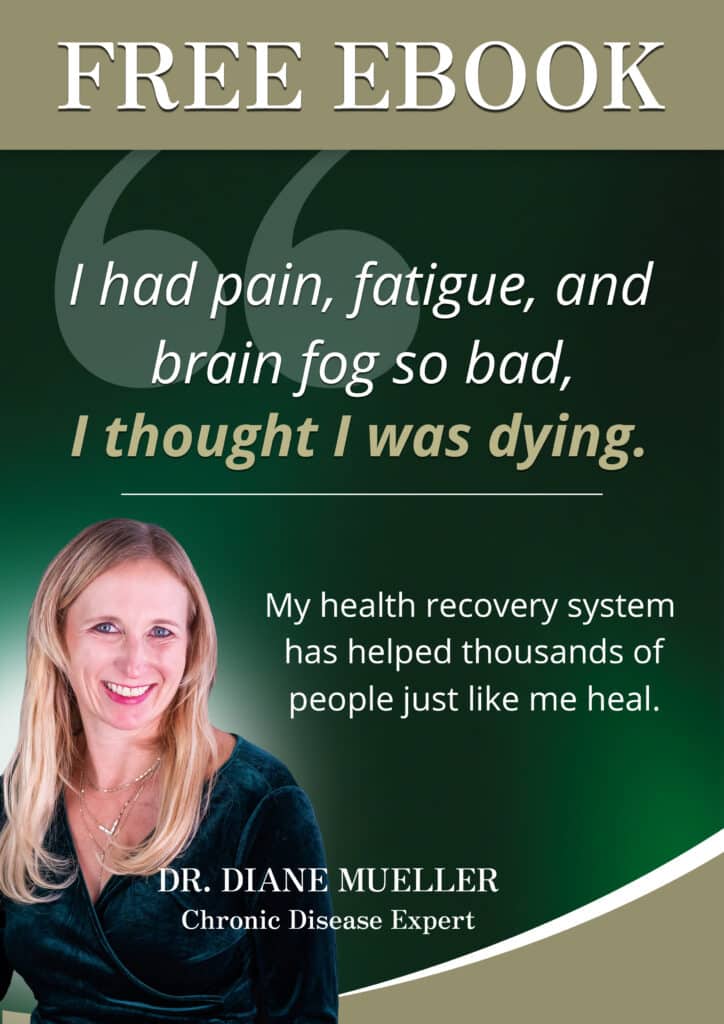
Written and medically reviewed by Dr. Diane Mueller, ND, LAc, DAOM. Dr. Mueller is a naturopathic doctor and licensed acupuncturist who has worked with more than 1,000 patients across the eleven states My Lyme Doc serves. Read more about Dr. Mueller.
Last reviewed: August 7, 2026
Medical disclaimer
This page is for general educational purposes and is not medical advice. It does not create a doctor and patient relationship, and it is not a substitute for diagnosis or treatment from your own clinician. Always talk with a qualified healthcare provider before starting, stopping, or changing any treatment. If you are experiencing a medical emergency, call 911 or go to the nearest emergency room.
Lyme disease care in the other states we serve
My Lyme Doc sees patients in eleven states, all by video visit from home. If you live in one of the others, start here. Live somewhere else? You can still be a patient if you can travel to one of these states at least once a year and have your appointments there.
- Lyme disease doctor in Colorado
- Lyme disease doctor in Wyoming
- Lyme disease doctor in Pennsylvania
- Lyme disease doctor in Texas
- Lyme disease doctor in Wisconsin
- Lyme disease doctor in Oregon
- Lyme disease doctor in New Hampshire
- Lyme disease doctor in Alabama
- Lyme disease doctor in South Dakota
- Lyme disease doctor in Vermont
For how care works in each state, see where we practice.