


A lot of people with MCAS don’t start with a dramatic allergy story. They start with the weird stuff: flushing after leftovers, a racing heart after a hot shower, stomach pain that seems to have a personal grudge. Then the labs come back “normal,” and someone shrugs. Sound familiar? If you’ve been dealing with chronic symptoms that bounce from your skin to your gut to your brain, there may be a reason they feel so scattered. Mast Cell Activation Syndrome can hide in plain sight, especially in people already dealing with mold, Lyme, or other complex chronic illness.
MCAS, or Mast Cell Activation Syndrome, occurs when mast cells release chemicals improperly, causing widespread symptoms across multiple body systems.
Symptoms of MCAS vary widely between individuals, depending on which tissues are affected, making diagnosis challenging and often delayed.
Common MCAS symptoms include skin flushing, itching, gastrointestinal issues, cardiovascular irregularities, respiratory problems, and neurological effects like brain fog and fatigue.
Triggers for MCAS flare-ups include certain foods, medications, infections, mold exposure, stress, hormones, and environmental factors, which vary from person to person.
Diagnosing MCAS requires recognizing symptom patterns in at least two body systems, collecting lab tests during flares, and excluding other conditions; standard tests may be normal between episodes.
Managing MCAS involves trigger avoidance, use of antihistamines and mast cell stabilizers, nervous system support, and emergency planning for anaphylaxis risks to reduce symptom severity and improve quality of life.
We have helped thousands of people in Colorado, Oregon, Wyoming, New Jersey, Pennsylvania, Texas, and Wisconsin restore their health and quality of life by diagnosing and treating their Lyme Disease.

MCAS stands for Mast Cell Activation Syndrome. In plain English, it means your mast cells release chemical signals too easily, too often, or at the wrong time.
Mast cells are immune cells. They live in places that interact with the outside world, your skin, airways, gut lining, blood vessels, and connective tissue. Their job is protective. When there’s a real threat, they release substances like histamine, tryptase, prostaglandins, and leukotrienes.
That’s useful when you’re fighting an infection or reacting to an allergen. Not so useful when the alarm keeps blaring over burnt toast, stress, or a random meal that was fine last week.
Because mast cells sit throughout the body, their effects can be widespread. They can change blood vessel tone, which affects flushing, swelling, and blood pressure. They can irritate nerves, which can feel like itching, headaches, burning, or pain. They can also tighten smooth muscle in the gut and lungs, leading to cramping, diarrhea, wheezing, or throat tightness.
This is why MCAS symptoms often look bigger than “just allergies.” It’s a whole-body pattern, not one isolated complaint.
One of the most confusing parts of MCAS is that two people can both have it and look… completely different.
One person gets hives and flushing. Another gets nausea, reflux, and urgent diarrhea. Someone else mostly notices dizziness, panic-like surges, brain fog, and a pounding heart. Same basic mechanism, different tissues involved.
A big reason is location. Mast cells are scattered across many organs, so symptoms depend on where they’re most reactive. Another factor is which chemicals are being released most strongly. Histamine-heavy patterns may look different from prostaglandin- or leukotriene-driven ones.
Then there’s the real-life messiness: genetics, hormone shifts, infections, mold exposure, nervous system overload, and other chronic conditions all shape the picture. In complex cases, MCAS can overlap with Lyme disease, chronic infections, gut dysfunction, or dysautonomia. That overlap is one reason patients spend years bouncing between specialists.
And yes, it’s frustrating. When your symptoms don’t fit one tidy box, people assume it’s anxiety or coincidence. But scattered doesn’t mean imagined. It often means the pattern hasn’t been recognized yet.
MCAS can affect multiple systems at once, sometimes in dramatic flares and sometimes in a low-grade, daily grind that wears you down.
Skin symptoms are common: flushing, itching, hives, swelling, rashes, or a hot-red face that seems to appear out of nowhere.
GI symptoms are huge in this population, abdominal pain, cramping, nausea, vomiting, reflux, bloating, and diarrhea. Some patients feel like every meal is a gamble, which is exhausting in a very unglamorous way.
Cardiovascular symptoms can include lightheadedness, low or swinging blood pressure, fast heart rate, and even fainting. Respiratory symptoms may show up as congestion, wheezing, shortness of breath, or throat tightness.
Neurologic and whole-body symptoms often get overlooked: headaches, fatigue, brain fog, irritability, sleep disruption, and that “I’m reacting to everything” feeling. Joint and muscle pain can show up too. The key clue isn’t one symptom. It’s the multi-system pattern and the way symptoms flare with triggers.
We have helped thousands of people in Colorado, Oregon, Wyoming, New Jersey, Pennsylvania, Texas, and Wisconsin restore their health and quality of life by diagnosing and treating their Lyme Disease.
This is the part that trips up a lot of patients. Standard tests are often normal between flares.
Current diagnostic frameworks look for three things: repeated symptoms consistent with mast cell mediator release in at least two body systems, objective evidence of elevated mediators during an episode, and improvement with mast cell-directed treatment. A recent review of MCAS criteria walks through this in detail.
Common labs may include serum tryptase and urine testing for histamine metabolites, prostaglandin metabolites, or leukotriene E4. But timing matters, a lot. If samples aren’t collected during or close to a flare, results may miss the signal.
Doctors also need to rule out other causes, including true allergies, carcinoid syndrome, pheochromocytoma, autoimmune disease, and systemic mastocytosis, which is different because it involves increased mast cell numbers.
This is why diagnosis often requires pattern recognition, not just a checkbox. In root-cause medicine, you’re looking at the full story: symptom timing, exposures, overlapping conditions like mold illness, and whether a mast-cell-focused plan changes the picture.
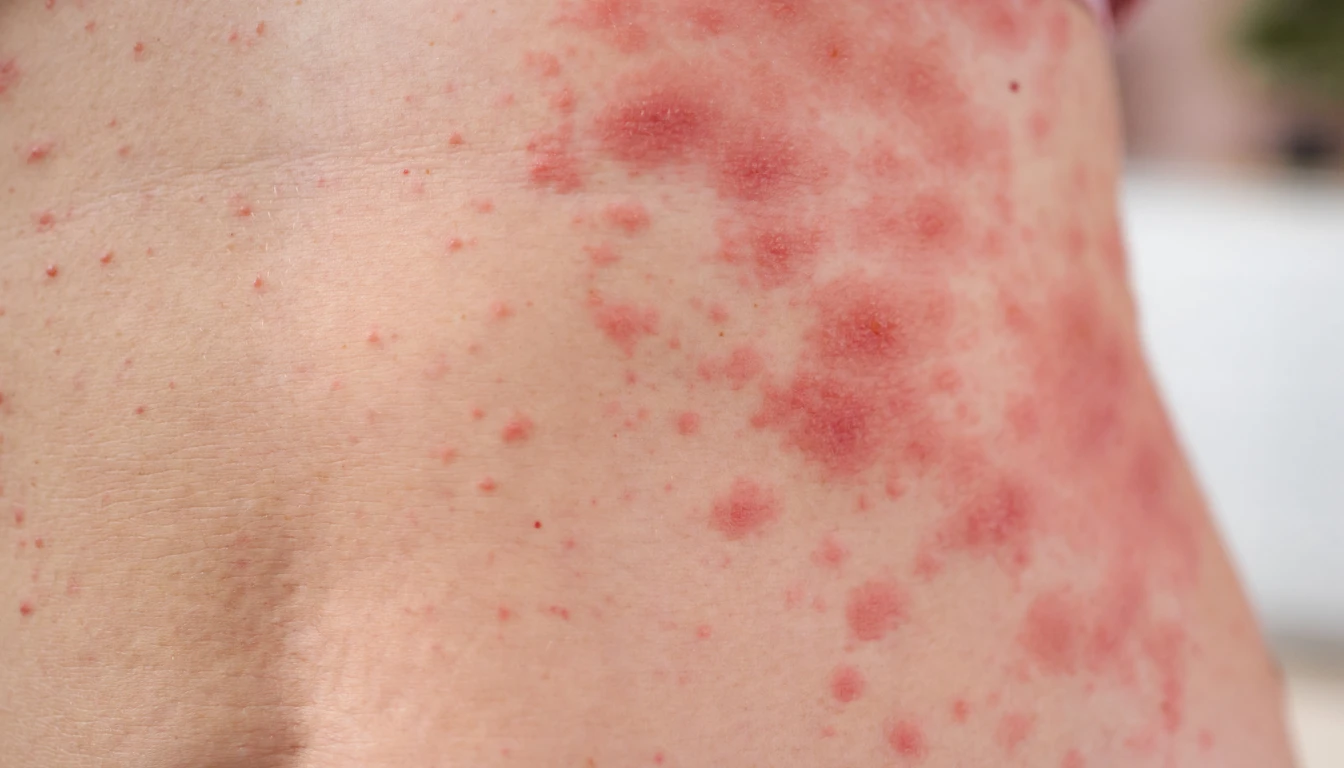
Triggers are where MCAS gets sneaky.
Food is a big one, especially alcohol, aged cheeses, fermented foods, leftovers, processed additives, and sometimes foods that seem “healthy” on paper. Medications can also trigger reactions, including NSAIDs, opiates, contrast dye, and some antibiotics.
Infections matter too. Viral and bacterial stressors can ramp up immune signaling, and many chronically ill patients notice that symptoms worsen after an infection and never fully settle back down. In the Lyme and mold world, this pattern comes up a lot.
Mold exposure is reported clinically as a trigger or amplifier for some patients, though the research is still evolving. That nuance matters. We don’t need to overstate it to take it seriously. In practice, people with complex illness often notice that musty buildings, water-damaged environments, chemical smells, heat, pressure, exercise, and stress all stack the deck.
Hormones can do it. Travel can do it. A bad night of sleep can do it. Fun, right?
The takeaway: triggers are personal. Keeping a simple symptom-and-exposure log can reveal patterns you’d never catch by memory alone.
We have helped thousands of people in Colorado, Oregon, Wyoming, New Jersey, Pennsylvania, Texas, and Wisconsin restore their health and quality of life by diagnosing and treating their Lyme Disease.
Management usually starts with reducing the total “load” on your system.
That means identifying personal triggers, foods, medications, heat, chemicals, moldy spaces, intense exercise, even friction or pressure on the skin. Not forever in every case, but long enough to calm the fire.
From there, MCAS treatment often includes H1 antihistamines such as cetirizine or fexofenadine, plus H2 blockers like famotidine. Depending on the case, clinicians may also use leukotriene blockers, mast cell stabilizers such as cromolyn sodium, or more advanced options in selected patients.
For people with anaphylaxis risk, emergency planning matters. An epinephrine auto-injector and written action plan aren’t optional extras.
And then there’s the nervous system piece. If your body is stuck in fight-or-flight, mast cells often seem more reactive. Supporting sleep, stabilizing blood sugar, pacing activity, and addressing dysautonomia or orthostatic intolerance can make treatment work better. Sequence matters.
That’s also why activation patterns are rarely managed well with a one-size-fits-all handout. The goal isn’t to silence symptoms at all costs. It’s to lower reactivity, remove drivers, and help your body feel safe enough to settle.
MCAS is real, multi-system, and easy to miss when symptoms look random on the surface. If you’ve been told it’s “just stress” while your body keeps reacting in obvious patterns, you’re not imagining it. The right roadmap looks at triggers, symptom clusters, testing during flares, and the bigger root-cause picture, especially when mold, infections, or chronic inflammation are part of the story.
MCAS is a disorder where mast cells release chemical mediators like histamine too easily or frequently without proper triggers, causing widespread symptoms that affect multiple body systems.
Symptoms differ because mast cells are located throughout the body, and the symptom pattern depends on which tissues are involved, the chemicals released, and personal factors like genetics and coexisting illnesses.
Common triggers include certain foods like aged cheeses and alcohol, medications such as NSAIDs, infections, physical factors like temperature changes, mold exposure, and stress.
Diagnosis relies on recognizing recurrent symptoms affecting two or more systems, capturing elevated mast cell mediators during flares, and observing improvement with mast cell-targeted treatments, often requiring careful timing of tests.
Management includes avoiding triggers, using H1 and H2 antihistamines, leukotriene blockers, mast cell stabilizers, and in some cases, emergency preparedness with epinephrine; nervous system support is also important to reduce reactivity.
Many patients report that mold and water-damaged environments can trigger or worsen symptoms, although research is evolving; reducing exposure is often part of a comprehensive trigger reduction strategy.
We have helped thousands of
people restore their health
and quality of life by diagnosing
and treating their Lyme Disease.
“Dr. Mueller’s approach to medicine is refreshing! There is only so much you can do with western medicine and in my life I was needing a new approach. By addressing the whole body, nutritional diet factors, environmental factors, blood work, and incorporating ideas I had not previously known, I was able to break through with my conditions. I am not only experiencing less pain in my life, but through the process of healing guided by Dr. Diane Mueller, I am now happy to say I have more consciousness surrounding how I eat, what to eat and when things are appropriate. Living by example Dr. Mueller has a vibrancy that makes you want to learn and know more about your body and overall health. I highly recommend her to anyone looking for new answers, a new approach to health, or in need of freedom from pain and limitations.”
-Storie S.
Kihei, HI