If you’re searching for a Lyme doctor Wisconsin patients can access through telehealth, you’re probably not doing it for fun. You may be dealing with fatigue that sleep doesn’t touch, brain fog that makes simple tasks feel weirdly hard, joint pain that moves around, or neurological symptoms that nobody has fully explained. And if you’ve already had testing? You may still feel stuck.
At MyLymeDoc, providers are licensed in Wisconsin and offer telehealth care built around symptoms, history, testing, and personalized treatment options, not a one-size-fits-all script. If you’re ready for a clearer next step, book a consultation.
A lot of people land here after hearing some version of, “Your labs are normal,” while their body is clearly waving a red flag. Sound familiar? Lyme and related illnesses can be messy, layered, and easy to miss. Let’s walk through what symptoms can look like, why tests aren’t the whole story, how co-infections and mold can complicate the picture, and what treatment support in Wisconsin can actually look like.
Key Takeaways
Finding a Lyme doctor in Wisconsin who offers telehealth can provide personalized, symptom-focused care without the need for travel.
Lyme disease symptoms vary widely and can include fatigue, brain fog, joint pain, and neurological issues, requiring careful clinical evaluation beyond standard tests.
Persistent Lyme symptoms often involve co-infections like Babesia and Bartonella, as well as factors such as mold exposure, which influence diagnosis and treatment.
Effective Lyme treatment in Wisconsin combines antimicrobial therapy with support for inflammation, gut health, and nervous system resilience tailored to each patient.
Telehealth Lyme care in Wisconsin allows for accessible consultations, symptom review, strategic testing, and ongoing personalized treatment plans.
Choosing a Lyme specialist in Wisconsin means receiving compassionate, patient-centered care that validates symptoms and focuses on root causes for ongoing support.
Get Help From a Lyme Doctor in Wisconsin (Symptoms, Testing & Treatment Options)
If you’re looking for a lyme literate doctor Wisconsin patients can work with remotely, the goal isn’t just a label. It’s answers. A good lyme disease doctor Wisconsin patients trust looks at the full pattern, symptoms, timeline, exposure risk, previous labs, and what has or hasn’t helped.
At MyLymeDoc, the focus is root-cause, functional medicine care for complex illness. That means personalized evaluation, stronger attention to persistent symptoms, and support for related issues like co-infections, chronic inflammation, and mold exposure. You can also explore our resources on Lyme disease test and Lyme disease treatment. Check our About us section if you want a deeper feel for the approach before booking.
Symptoms That May Point to Lyme Disease
Lyme symptoms don’t always arrive with a movie-scene tick bite and a perfect bullseye rash. Sometimes it starts like a bad flu. Sometimes it creeps in quietly, then turns your normal life into quicksand.
A symptom checklist often includes:
crushing fatigue
brain fog
joint or muscle pain
headaches
dizziness
numbness or tingling
heart palpitations
sleep issues
temperature sensitivity
anxiety or mood changes
That variability is exactly why so many people keep searching for a lyme specialist Wisconsin patients can talk to after conventional visits go nowhere.
Early symptoms vs ongoing symptoms
Early Lyme may look like fever, chills, body aches, swollen lymph nodes, headache, and sometimes a rash after a tick bite. But ongoing or late-stage symptoms can be much more systemic. You may notice waves of pain, cognitive changes, sensory sensitivity, exercise intolerance, or “good days” that vanish without warning.
And yes, that symptom shift confuses people. You feel sick, then sort of functional, then flattened again. Lyme doesn’t always read the textbook.
Fatigue, pain, brain fog, and neurological symptoms
The big four many patients mention are fatigue, brain fog, joint pain, and neurological symptoms. Not ordinary tiredness, either. More like your battery never charges past 18%.
Neurological symptoms can include tingling, burning pain, tremors, dizziness, word-finding trouble, memory lapses, visual changes, sound sensitivity, and a wired-but-exhausted feeling. These patterns can happen with Borrelia burgdorferi itself or with overlapping infections and inflammation. If that sounds uncomfortably familiar, you’re not imagining it.
Chronic Lyme Symptoms and Persistent Illness
The term chronic Lyme disease is controversial in some conventional settings, but the reality patients live with is not. Plenty of people continue to have persistent symptoms long after the initial infection window, or they were never diagnosed early in the first place.
When you search for a chronic lyme doctor Wisconsin patients recommend, you’re usually looking for someone willing to ask a harder question: Why are symptoms still going?
Why symptoms can continue long-term
Symptoms can persist because the body isn’t dealing with a single simple event. There may be immune dysfunction, chronic inflammation, nervous system dysregulation, mitochondrial stress, gut disruption, or hidden co-infections. In some cases, prior treatment reduced one piece of the burden but didn’t address the whole picture.
Sequence matters. If your body is inflamed, depleted, and reacting to multiple stressors, you need a roadmap, not random trial and error that costs thousands and leaves you more discouraged.
Negative tests but ongoing symptoms
This is the part that trips people up. Standard screening tools like ELISA and Western blot can be helpful, but they’re not perfect. Timing matters. Immune response matters. Prior antibiotic use matters. And not every symptomatic patient fits neatly into a lab box.
That’s why clinical history matters so much. Exposure risk, symptom pattern, onset, relapses, prior infections, and treatment response all count. If you’ve had negative tests but ongoing symptoms, review the best Lyme disease test and Lyme disease test pages for a clearer picture of what testing can, and can’t, tell you.
Co-Infections and Related Tick-Borne Illnesses
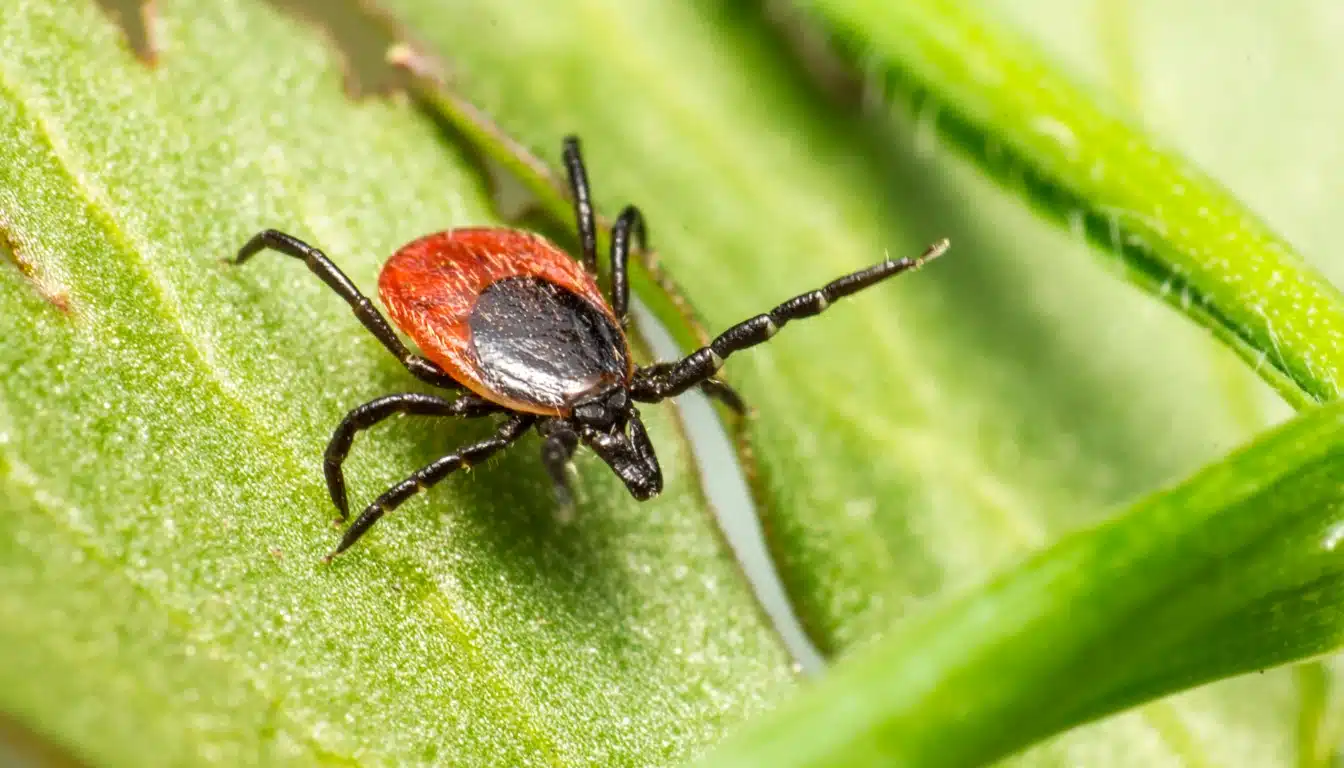
Lyme rarely travels alone. That’s one of the biggest misconceptions patients run into. A tick can carry more than one organism, which means a single bite may trigger a more tangled illness pattern than expected.
This is why a lyme literate doctor pays close attention to tick-borne illness beyond Lyme itself. MyLymeDoc has a dedicated page on co-infections because these overlaps can change diagnosis, treatment pace, and recovery expectations.
Babesia and Bartonella overlap
Babesia often shows up with air hunger, night sweats, chest pressure, headaches, and a flu-ish wiped-out feeling. Bartonella can look different, burning foot pain, anxiety, irritability, nerve pain, streak-like rashes, and stronger neurological symptoms.
Of course, bodies love to be dramatic and mix the script. Some patients have features of both. If Babesia is suspected, reading about Babesia treatment can help you understand what targeted support may involve.
How co-infections change symptom patterns
Co-infections can make symptoms more severe, more atypical, and more persistent. You may see stronger inflammation, more neurological involvement, deeper fatigue, or symptom flares that don’t match a standard Lyme-only picture.
They also affect treatment strategy. A personalized plan may need to address treatment for co-infections alongside Lyme, while supporting refresh, sleep, hormones, and the nervous system.
Lyme Testing and Diagnostic Strategy
A proper Lyme disease diagnosis is rarely one lab result and done. Testing matters, yes. But smart diagnosis also uses symptoms, exposure history, relapse patterns, past treatment, and related conditions.
Think of testing like a flashlight, not the whole map. Helpful? Absolutely. Complete on its own? Not usually.
Why testing is only one part of the picture
A clinician looking at possible Lyme asks bigger questions. Were you exposed in a tick-prone area? Did symptoms begin after a viral-like illness, outdoor trip, or unexplained crash? Are you dealing with migrating pain, cognitive changes, or persistent fatigue? Is there mold exposure in the background?
That full clinical history is often what makes the pieces click. Especially when standard care has focused on isolated symptoms instead of the whole system.
Types of Lyme disease tests
Common tests include ELISA and Western blot, often used in conventional settings. Some clinicians also use specialty labs for broader immune reactivity or expanded tick-borne panels. No test is perfect, and quality varies.
If you’re trying to sort through options, start with the Lyme disease test guide, then compare approaches on the best Lyme disease test page. The key is matching the testing strategy to your history, not just ordering labs because the internet said so.
Treatment for Lyme Disease in Wisconsin
Effective care usually isn’t about throwing one tool at a complicated illness and hoping for fireworks. A good lyme doctor Wisconsin patients trust builds treatment around your symptom burden, infection history, inflammation level, gut health, refresh capacity, and nervous system resilience.
That’s why personalized care matters. Two people can both have Lyme and need very different plans.
Functional medicine treatment approach
A functional medicine plan may include antimicrobial therapy, immune support, inflammation reduction, gut repair, refresh support, sleep optimization, and nervous system work. In more layered cases, treatment also addresses Babesia, Bartonella, hormone disruption, or mold-related inflammation.
If you want specifics, review Lyme disease treatment and chronic Lyme treatment. The goal is root-cause care, structured, step-by-step, and adjusted to how your body responds.
Ongoing follow-up and care plans
Short-term care often misses the reality of persistent illness. Recovery usually needs monitoring, symptom tracking, plan adjustments, and support through flares or Herx-type reactions. That doesn’t mean endless chaos. It means guided follow-through.
Long-term support helps you see what’s changing, what’s stuck, and what needs to happen next. That’s a big part of what people want from a telehealth lyme doctor Wisconsin patients can keep working with over time.
Mold Illness and Other Overlapping Conditions
Sometimes Lyme is only part of the story. Mold exposure, CIRS, gut dysfunction, thyroid issues, and chronic stress physiology can all overlap with tick-borne illness. The symptom overlap is real, and honestly, it can be maddening.
You may think you’re dealing with one root cause, then realize there are two or three feeding the same inflammatory fire.
Mold exposure and chronic inflammation
Mold illness can drive fatigue, headaches, brain fog, sinus issues, anxiety, dizziness, histamine problems, and immune dysfunction. In patients with Lyme, mold often acts like gasoline on a smoldering system.
That’s why a thorough functional medicine review asks about homes, water damage, musty smells, and symptom changes in certain buildings. If this sounds familiar, explore mold illness treatment to see how mold exposure and chronic inflammation may fit into the bigger picture.
How Telehealth Lyme Care Works in Wisconsin
If you’ve been putting this off because you don’t want another exhausting appointment, fair. Telehealth can make the process much simpler. A telehealth Lyme doctor Wisconsin patients can access remotely gives you a way to start without driving across the state while feeling awful.
And no, you don’t need to have every answer before the first visit.
Telehealth process list
The process is straightforward:
Initial consultation, You meet with a provider licensed in Wisconsin and share your story.
Symptom + history review, We look at symptom patterns, exposures, prior testing, and your timeline.
Testing strategy, If needed, your provider recommends the most useful next labs rather than random guesswork.
Treatment plan, You receive a personalized roadmap based on your case.
Ongoing monitoring, Follow-ups help adjust treatment, track progress, and support complex recovery.
Simple on paper. Thoughtful in practice.
Why Wisconsin Patients Choose MyLymeDoc
When people look for a lyme specialist Wisconsin patients actually trust, they usually want three things: expertise, validation, and a plan. MyLymeDoc is built around all three.
Dr. Diane Mueller’s work is shaped not just by training, but by lived experience with Lyme, mold illness, and chronic IBS. That matters. Patients can feel when a clinic understands the messy middle, not just the textbook version.
You can read patient testimonials to see how we’ve helped other patients like you bring their vitality back.
Personalized care and ongoing support
This is not one-size-fits-all care. Your treatment plan is based on your symptoms, history, testing, likely triggers, and how your body handles treatment. Some patients need a gentler start. Others need stronger co-infection support or a bigger focus on mold, detoxification, and inflammation.
That individualized pacing can be the difference between feeling overwhelmed and finally feeling guided.
Patient-centered approach
A patient-centered approach means you’re listened to, not brushed off. It means your story counts, even if you’ve been told it was stress, aging, or “just anxiety.” It means someone is willing to investigate persistent symptoms instead of pretending they’re random.
That trust piece matters more than people realize. Especially when you’ve spent years trying to prove you’re sick while also trying to keep your life together. It’s exhausting. You deserve better than that.
Book Your Wisconsin Consultation
If you’re ready to stop piecing this together alone, the next step is simple: book a consultation.
When you’re dealing with suspected Lyme, unresolved brain fog, migrating pain, years of fatigue, possible co-infections, or a mix of Lyme and mold issues, you don’t need to wait until things get worse to ask better questions.
A Wisconsin-licensed provider can review your symptoms, testing history, and treatment options through telehealth and help you build a clearer plan. That first step can feel oddly emotional, relief, hope, maybe a little skepticism too. Totally normal.
But if your body has been asking for answers for a long time, now’s a good time to listen.
Frequently Asked Questions
Yes. Many patients work with a Lyme doctor in Wisconsin through secure telehealth visits. This allows you to review symptoms, discuss testing, and receive a personalized treatment plan without traveling. Telehealth is especially helpful for chronic or complex cases that require ongoing monitoring and adjustments over time.
You should discuss all symptoms, even if they seem unrelated. Common ones include fatigue, brain fog, joint pain, headaches, neurological changes, sleep issues, and mood shifts. Also mention any history of tick bites, outdoor exposure, or symptoms that come and go or worsen over time.
Yes. Some patients continue to experience symptoms after initial treatment. This may be due to ongoing inflammation, immune system dysregulation, or untreated co-infections. A comprehensive evaluation helps identify what is driving persistent symptoms and guides a more personalized, long-term care approach.
Yes. Co-infections like Babesia and Bartonella are common in tick-borne illness and can significantly change symptoms and treatment needs. If you have unexplained or severe symptoms, asking about co-infections is important to ensure a complete evaluation and a more effective, targeted treatment plan.
Yes. Mold illness and Lyme disease can share similar symptoms such as fatigue, brain fog, and chronic inflammation. In some cases, mold exposure may worsen or prolong recovery from Lyme. Evaluating both conditions together helps create a more accurate diagnosis and a more effective treatment strategy.
Booking your first visit is simple. You can schedule a consultation online by selecting a time that works for you. During your first appointment, your provider will review your symptoms, health history, and concerns, then outline next steps for testing and treatment based on your individual case.
Wisconsin tick and Lyme disease resources
These are official state and university sources for readers who want to verify tick and tick-borne disease information for Wisconsin.
About the author
Written and medically reviewed by Dr. Diane Mueller, ND, LAc, DAOM. Dr. Mueller is a naturopathic doctor and licensed acupuncturist who has worked with more than 1,000 patients across the seven states where MyLymeDoc is licensed. Read more about Dr. Mueller.
Last reviewed: August 7, 2026
Medical disclaimer
This page is for general educational purposes and is not medical advice. It does not create a doctor and patient relationship, and it is not a substitute for diagnosis or treatment from your own clinician. Always talk with a qualified healthcare provider before starting, stopping, or changing any treatment. If you are experiencing a medical emergency, call 911 or go to the nearest emergency room.
Lyme disease care in the other states we serve
Dr. Diane Mueller is licensed in seven states and treats patients in all of them by telehealth. If you live in one of the others, start here.
- Lyme disease doctor in Colorado
- Lyme disease doctor in Wyoming
- Lyme disease doctor in New Jersey
- Lyme disease doctor in Pennsylvania
- Lyme disease doctor in Texas
- Lyme disease doctor in Oregon
For how care works in each state, see where we practice.