
Written by Dr. Diane Mueller
Imagine battling a condition that seems to have endless twists and turns; just when you think you’ve made progress, another symptom surfaces. Lyme disease often feels like that, a relentless puzzle with no clear solution. If you’re exploring this complex illness, you’ve likely explored countless treatment options, each with its own promises and uncertainties. But have you ever wondered about the role antibiotics like piperacillin might play in this fight?
Piperacillin, a powerful antibiotic often used for severe bacterial infections, has sparked curiosity in the Lyme disease community. Could it be a missing piece in the treatment puzzle? While Lyme disease is notoriously stubborn, understanding how medications like piperacillin interact with the bacteria could unlock new possibilities. In this text, we’ll explore what makes piperacillin unique, its potential benefits, and what you should consider before diving into this treatment option. Curious? Let’s dig in.
Key Takeaways
Piperacillin shows promise in chronic Lyme disease treatment. Its mechanism targets bacterial cell walls, which may help combat persistent forms of Borrelia that evade traditional antibiotics like doxycycline.
Persister cells are often responsible for relapses. Piperacillin’s ability to target these cells could reduce the chances of symptom recurrence, a common challenge in chronic Lyme cases.
Peptidoglycan clearance may reduce inflammation. This antibiotic might address lingering bacterial remnants that cause joint pain and persistent symptoms post-treatment.
Combination therapies could maximize results. Integrating piperacillin with herbal remedies like cryptolepis or other tailored protocols might enhance outcomes for patients with chronic or resistant Lyme symptoms.
Mold exposure and other factors may complicate recovery. Addressing mold toxicity and co-infections is crucial for a comprehensive Lyme disease treatment plan.
Consulting a practitioner is key. Piperacillin may not suit everyone, and personalized diagnostics can ensure treatments align with individual needs.
Table of Contents
Piperacillin for Lyme Disease: A New Era in Chronic Lyme Recovery?
When it comes to tackling Lyme disease, you might feel like you’re stepping into a maze with no clear path. Antibiotics like doxycycline have long been the go-to treatment. Still, emerging evidence suggests that the antibiotic piperacillin may offer new hope, especially for those facing persistent or chronic Lyme symptoms. But what makes piperacillin stand out, and could it be part of the solution you’ve been searching for?
Piperacillin‘s Unique Mode of Action
Piperacillin targets bacterial cell walls, disrupting their ability to reproduce. This mechanism is particularly intriguing for combating Borrelia burgdorferi, the bacterium that causes Lyme disease. Unlike doxycycline, which is more effective in the early stages of Lyme or targeting active bacteria, piperacillin may demonstrate promise against resistant forms of Borrelia. Studies suggest its broad-spectrum activity might extend to the hardy persister cells that sometimes weather traditional antibiotics, those pesky cells responsible for relapses or prolonged symptoms.
Chronic Lyme and the Quest for Better Antibiotics
If you’ve been dealing with lingering symptoms, you’re not alone. Chronic Lyme often defies typical treatments because Borrelia can “shape-shift.“ It morphs into alternative forms like cysts or biofilm communities, making it harder for many antibiotics to penetrate and kill the bacteria. Researchers are looking into how piperacillin might bypass these defenses. Its structure allows it to target a wide range of bacterial forms, which could mean fewer relapses, a significant win for those fighting chronic Lyme. For more on persister cells and their role in Lyme, this guide offers greater insights: Persister Cells’ Role in Lyme Disease.
A Potential Piece of the Puzzle
Piperacillin isn’t being proposed as an aid-all, though. Like any antibiotic, it comes with its limitations: resistance can develop, and it’s not a fit for every patient. Plus, since Borrelia interacts with your immune system and sometimes triggers biotoxin-related conditions, antibiotics alone may not address all the root causes. Curious about how biotoxins can complicate Lyme recovery? You can explore the connection here: Lyme Disease and Biotoxins.
Could Herbal Alternatives Complement or Enhance Treatment?
As exciting as Piperacillin’s potential may be, you might wonder if there are less conventional alternatives. For instance, herbal therapies like cryptolepis have also been studied for Lyme. While not a direct replacement for antibiotics, they can play a supportive role, especially for patients exploring integrative methods. Learn more about cryptolepis and its effectiveness for Lyme here: Cryptolepis for Lyme.
Piperacillin represents a fascinating step forward in Lyme treatment. It could signal a new era, especially for those who haven’t found success with traditional antibiotics.
Have Lyme Disease or suspect you do?
We have helped thousands of people in Colorado, Wyoming, New Jersey, Pennsylvania, Texas, Wisconsin restore their health and quality of life by diagnosing and treating their Lyme Disease.
Understanding Piperacillin: A New Antibiotic in the Lyme Toolbox
When it comes to Lyme disease, breakthroughs like piperacillin are revolutionizing how chronic and resistant cases are treated. This antibiotic is gaining attention for how it addresses persistent Borrelia bacteria, those stubborn cells that often dodge conventional treatments like doxycycline.
Mechanism of action vs. doxycycline
Piperacillin works by upsetting bacterial cell walls, specifically targeting peptidoglycan, a structural component that plays a key role in bacterial persistence. Doxycycline, on the other hand, focuses on inhibiting protein synthesis, halting bacterial growth, but without dismantling these rigid peptidoglycan structures. Imagine trying to disarm a fortress: doxycycline cuts off supplies, while piperacillin breaks down the walls directly.
Animal research highlights how effective piperacillin can be in reducing Borrelia activity when compared to doxycycline. For Lyme patients, this means a potential option that could work where doxycycline hasn’t, especially in addressing those deep-seated, lingering bacterial issues often tied to chronic symptoms. If you’ve struggled with symptoms that seem immune to standard antibiotic courses, this mechanism offers a more targeted approach worth exploring. Curious how other antibiotics stack up? Check out this guide.
What studies suggest about peptidoglycan clearance
Even after antibiotic treatments, remnants of peptidoglycan can lurk in your body, particularly in joint spaces, fueling inflammation and causing persistent symptoms. Researchers suggest that piperacillin‘s ability to clear these fragments more effectively than doxycycline could drastically reduce inflammation and chronic Lyme-related symptoms. Think of it as finally sweeping up those invisible crumbs that traditional cleaning methods missed; it’s a thorough cleanup.
For patients dealing with arthritis-like issues or unexplained joint pain, these findings are especially promising. By reducing these peptidoglycan leftovers, piperacillin Lyme disease support may improve outcomes for those battling long-term inflammation and wondering how it compares with natural options like herbal treatments. Jump into this resource for complementary solutions.

Doxycycline’s Limitations in Treating Lyme
Doxycycline, a widely used antibiotic treatment, is often effective in early-stage Lyme disease. But its shortcomings become more apparent when dealing with persistent or chronic Lyme symptoms tied to Borrelia burgdorferi‘s survival strategies.
Why symptoms may persist after treatment
Even if doxycycline kills the active Borrelia bacteria, it doesn’t fully clear the remnants they leave behind. One key residual molecule, peptidoglycan, can linger in your tissues, especially your joints. Think of these as microscopic splinters. Though the bacteria are gone, these leftover pieces can inflame your immune system and fuel chronic symptoms like joint pain or stiffness. Post-treatment Lyme disease isn’t just “in your head”; it’s often a byproduct of these unnoticed culprits.
If you’re experiencing debilitating symptoms after antibiotics, it might not be about the bacteria still being alive. Instead, your body may struggle to clean up the inflammatory mess left behind. Advanced techniques, as explored in chronic Lyme disease treatments, aim to address this inflammation, instead of just targeting the infection’s initial wave.
Dormant Borrelia forms and persister cells
Here’s where things get tricky: Borrelia burgdorferi can shape-shift into dormant forms like cystic states or L-forms, which are highly resistant to antibiotics like doxycycline. These persister cells act like bacteria in hibernation, staying under the radar and avoiding detection. Later, they can “wake up” and reactivate, causing a resurgence of symptoms that feels like the infection never left.
Unfortunately, doxycycline isn’t designed to penetrate this defense. Studies suggest it effectively targets actively dividing bacteria but lacks the strength to eradicate these stealthy forms. This is why tackling persister cells requires innovative approaches like combination therapies or alternatives such as cryptolepis. To learn about the role of persister cells in Lyme disease, this resource offers deeper insight.
If Lyme disease feels like an unsolved riddle in your body, it may not be treatment failure; it’s bacterial tactics creating roadblocks. Knowing these nuances is essential when exploring more tailored Lyme disease treatment options.
Have Lyme Disease or suspect you do?
We have helped thousands of people in Colorado, Wyoming, New Jersey, Pennsylvania, Texas, Wisconsin restore their health and quality of life by diagnosing and treating their Lyme Disease.
Dormancy, Reactivation & Symptom Flare-Ups
Lyme disease has a way of hiding in plain sight. Borrelia, the bacterium behind the disease, can shift into dormant states that evade both your immune system and antibiotics, making chronic symptoms harder to manage.
The role of cystic and L-forms of Borrelia
When antibiotics attack, Borrelia doesn’t simply die off; it adapts. Some bacteria morph into cystic bodies or L-forms, which are low-metabolism states that let them survive harsh conditions. These forms essentially pause their activity, avoiding detection by both medications and your immune system.
These forms are remarkably resilient, allowing Borrelia to linger for months, sometimes years. Traditional antibiotics often fall short because they target active, growing bacteria rather than dormant ones. As a result, symptoms persist or even worsen. If you’ve ever felt like recovery is just out of reach, these survival strategies could be why. Piperacillin holds promise here because its cell-wall-focused approach may disrupt both dormant and active forms. To understand more about persistent forms and antibiotic challenges, check out this in-depth explanation of persister cells’ role in Lyme disease.
Why symptoms return and how piperacillin might help
You may start to feel better during treatment, only to experience a sudden symptom flare later. Sound familiar? This frustrating pattern happens when dormant Borrelia forms become active again, resuming their attack on your body. It’s like reopening a war you thought you had already won. Common chronic symptoms, such as fatigue, joint pain, and brain fog, can suddenly resurface. If you’ve ever wondered why chronic Lyme feels relentless, this cycle is likely to blame.
Piperacillin might change the game. Unlike traditional antibiotics (like doxycycline), which struggle against these persistent forms, piperacillin’s unique method targets the bacteria’s cell wall even in tough-to-kill states. This could reduce the chance of reactivation and recurrent symptoms by eliminating resilient Borrelia. For personalized insights into antibiotic treatments, including comparisons with doxycycline, visit this helpful guide.
Cryptolepis and Herbal Alternatives: Are They More Effective?
When tackling Lyme disease, you might wonder if natural alternatives hold any real weight alongside antibiotics. Cryptolepis and similar herbal treatments have been gaining attention for their unique strengths in addressing persistent infections, particularly in chronic Lyme cases.
Cryptolepis for Lyme
Cryptolepis, a traditional African herb, has emerged as a promising contender in Lyme disease management. Its powerful antimicrobial properties can target Borrelia burgdorferi in its more elusive forms, like cystic or dormant states. Dormant bacteria are a significant obstacle in Lyme treatment; they evade most antibiotics, lying low until they reactivate. Cryptolepis has shown a unique ability to disrupt these stubborn forms, which could make it a game-changer for chronic symptoms.
Researchers also highlight Cryptolepis‘s potential to modulate your immune response. In chronic Lyme disease, an overactive immune system can sometimes do more harm than good, causing inflammation and worsening symptoms. By reining in immune overactivity, Cryptolepis might ease symptoms like fatigue, joint pain, and brain fog that tend to linger. If you’re interested in learning more, this Cryptolepis for Lyme guide outlines its uses and benefits.
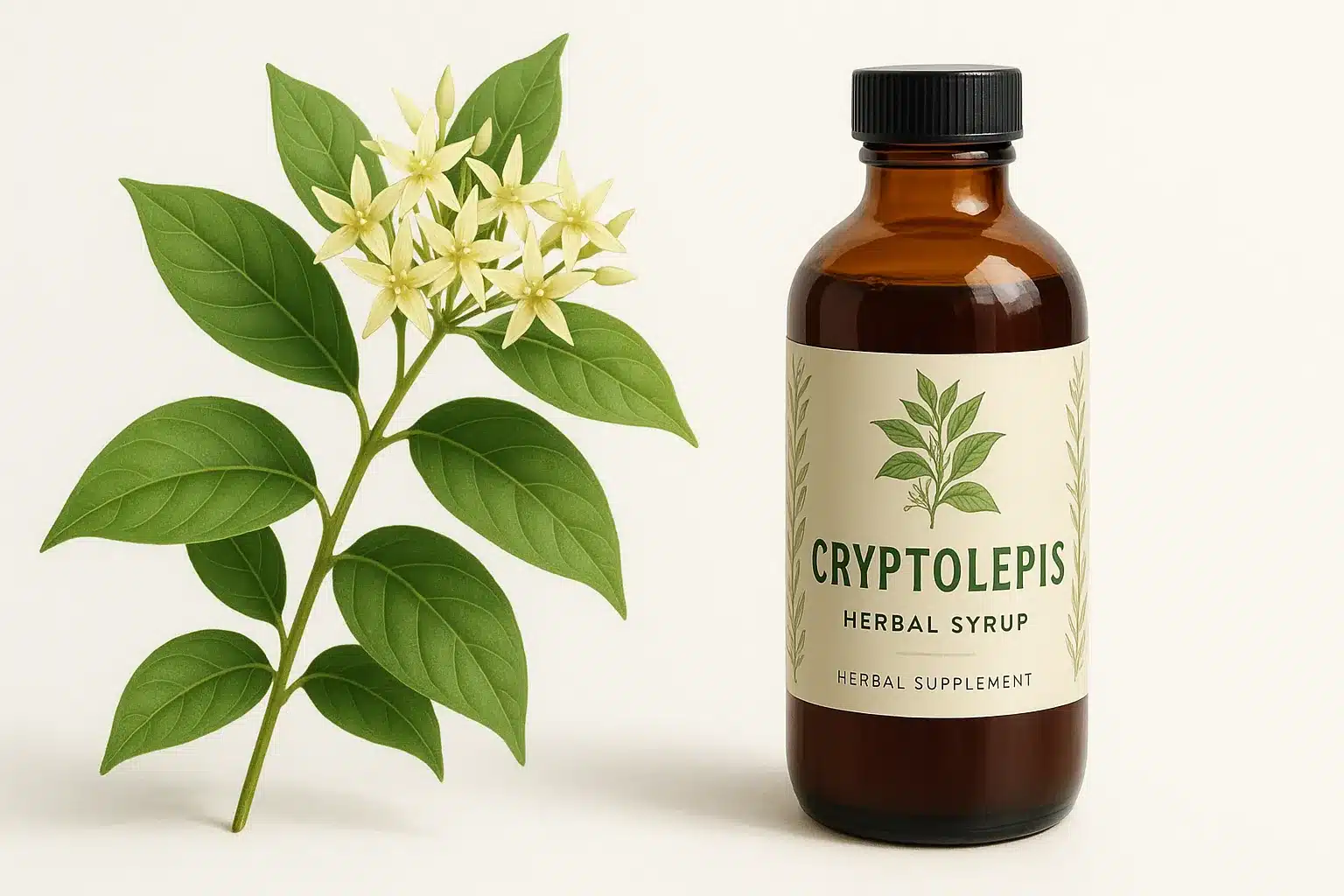
Herbal Protocols vs. Antibiotics
You may think antibiotics like doxycycline are your best bet for Lyme, but studies are shaking up that assumption. In lab settings, herbal protocols including Cryptolepis have outperformed antibiotics such as doxycycline in eradicating persistent forms of Borrelia. This is particularly significant for chronic Lyme sufferers, where “persister cells“ play a role in symptom relapses. These tiny survivalists often withstand multiple antibiotic rounds, but herbal remedies like Cryptolepis have proven effective against them.
What gives herbs their edge? Many antibiotics focus on a single mechanism, such as stopping bacteria from reproducing, while herbal treatments often carry a range of bioactive compounds. These act like a multi-tool, addressing bacteria through several pathways at once. Plus, herbs may support overall body systems, helping you manage inflammation or detox from toxins released by dying bacteria. Curious about specific herbs for Lyme? Explore this resource on herbs for Lyme disease to learn more about the available options.
The idea isn’t always about choosing one over the other; sometimes it’s about combining. An integrative approach blends the precision of antibiotics with the broad-spectrum support of herbs, covering all bases. Functional medicine clinics like My Lyme Doc specialize in tailoring these protocols to your specific needs. Whether it’s targeting Borrelia at every stage or addressing lingering symptoms, there’s no one-size-fits-all solution.
The Mold Factor: An Overlooked Cause of Chronic Symptoms
When battling Lyme disease, it’s easy to overlook hidden culprits like mold exposure. Mold can silently worsen your symptoms, making recovery feel like an uphill battle.
Mold symptoms and Lyme confusion
Mold toxicity symptoms often mimic Lyme disease. Feeling brain foggy? It could be mold. Battling chronic fatigue and relentless joint pain? Again, mold exposure might be the surprising villain. These overlapping symptoms can make diagnosis a frustrating maze.
Imagine walking into a room and forgetting why you’re there, only to feel later like your limbs weigh a ton. That foggy, drained sensation could be Lyme…or mold. Sorting out the cause is tricky because both conditions target your immune system and cause inflammation. (Want to dig deeper? Learn more about the sneaky ways black mold affects your health here.)
Biotoxins, mold illness, and Lyme recovery
Mold doesn’t just sit quietly in your living environment; it releases harmful mycotoxins. These tiny troublemakers impair your refresh pathways and weaken your immune system, leaving your body with a compromised defense system. When this happens, Lyme symptoms can spiral, and recovery feels distant.
Mold illness can also make your Lyme treatment less effective. Why? Toxin buildup overwhelms your system, creating a backlog in your body’s ability to heal. Clearing these toxins isn’t just “nice to have”; it’s essential. If mold exposure is part of your struggle, addressing it early is key to improving your Lyme recovery outcomes. Start by exploring how mold can contribute to illness here.
By tackling both Lyme and mold head-on, you give yourself a fighting chance to feel better, because ignoring this duo can keep you stuck in a cycle of chronic symptoms.
Have Lyme Disease or suspect you do?
We have helped thousands of people in Colorado, Wyoming, New Jersey, Pennsylvania, Texas, Wisconsin restore their health and quality of life by diagnosing and treating their Lyme Disease.
Should You Consider Piperacillin? A Practitioner’s Perspective
If you’re dealing with chronic Lyme disease, you’ve probably explored a maze of treatments with varying results. Piperacillin might sound unfamiliar in the Lyme community, but its unique properties have started turning heads among practitioners. Here’s the scoop on why it could be worth asking about.
Understanding Piperacillin’s Potential
Piperacillin works by targeting bacterial cell walls, a bit like dismantling the brickwork that bacterial infections use to stay fortified. For Lyme disease, this mechanism could give it an edge in tackling persister cells, special forms of Borrelia burgdorferi that often sidestep traditional antibiotics like doxycycline. Studies suggest these dormant cells can reactivate later, causing relapse in chronic Lyme symptoms. Piperacillin has shown promise in reducing Borrelia activity in lab studies, which might make it a valuable tool, especially if you’re dealing with persistent symptoms like fatigue, joint pain, or brain fog.
It’s essential to remember that while this antibiotic holds potential, it’s not a magic bullet. Some patients may not respond to piperacillin, particularly if co-infections or mold toxicity are at play, both of which can exacerbate Lyme symptoms. It’s essential to work with practitioners who understand how to address these overlapping issues.

When to Ask About Piperacillin
Timing and context matter in Lyme disease treatments. If you’ve been struggling with chronic symptoms even though trying other approaches like doxycycline or even herbal protocols featuring cryptolepis, you should discuss piperacillin with your doctor. Keep in mind that chronic inflammation, often driven by residual bacterial by-products like peptidoglycan, may play a role in your symptoms. Piperacillin could help eliminate these remnants, easing issues like ongoing joint stiffness or swelling.
The Practitioner’s Perspective
Practitioners with experience treating chronic Lyme disease often stress the importance of comprehensive diagnostics. Testing for persister cells, co-infections, and even environmental factors like mold exposure (yes, mold—check this guide if it’s new to you) can paint a much clearer picture of what might be keeping you sick. Piperacillin might be a piece of the puzzle, but only when it’s part of a tailored strategy addressing all root causes.
For example, Dr. Diane Mueller’s integrative approach at My Lyme Doc emphasizes combining advanced diagnostics, like those exploring biotoxins, with individualized treatments. This blend ensures that patients aren’t just treating surface-level symptoms but digging deeper into what’s really fueling their chronic illness. If you’re curious, you can learn more about her Lyme-specific treatment insights here.
Is It Right for You?
Before jumping on the piperacillin bandwagon, it helps to think critically. Have you explored other therapies that target both active and dormant forms of Borrelia? (Hint: cryptolepis could be a natural alternative—check out this article for more insight.) And are you addressing lifestyle and environmental factors that might be standing in the way of your recovery, like black mold? These are questions that can guide your decision.
In the end, piperacillin isn’t a universal fix, but under the right circumstances, its role in treating chronic Lyme disease deserves attention.
Conclusion
Exploring innovative treatments like piperacillin offers a new avenue of hope for those grappling with the challenges of Lyme disease. Its potential to target both active and dormant forms of Borrelia, alongside clearing inflammatory remnants, makes it a promising option for chronic cases. But it’s clear that no single solution fits all, and a tailored, integrative approach remains essential.
By combining precise antibiotics with complementary treatments like herbal protocols and addressing environmental factors such as mold exposure, you can tackle the complexities of Lyme disease more effectively. Consulting a functional medicine expert in Lyme disease ensures that your treatment plan aligns with your unique needs, paving the way for better long-term outcomes.
Frequently Asked Questions
Most cases of early Lyme disease respond well to standard antibiotics such as doxycycline, amoxicillin, or cefuroxime axetil. These medications are typically taken for 2–4 weeks and are highly effective when started promptly after infection.
Piperacillin is not a first-line treatment but has shown potential in laboratory and clinical settings for targeting both active and dormant forms of Borrelia. Some Lyme specialists consider it for patients with persistent or chronic symptoms when standard antibiotics are not effective.
Piperacillin attacks bacterial cell walls and may help clear persister forms of Borrelia, while doxycycline blocks protein synthesis in actively growing bacteria. This means piperacillin could support patients with chronic or recurring Lyme symptoms, whereas doxycycline is most effective in early infection.
Piperacillin may reduce inflammation by clearing bacterial remnants like peptidoglycan and may target hard-to-treat persister cells. While promising, evidence is still limited, and it should only be used under medical supervision as part of a broader treatment plan.
Yes, especially if conventional antibiotics haven’t fully resolved your symptoms. Piperacillin may be considered in complex or chronic cases, but it should be part of a personalized plan that also evaluates co-infections, immune health, and environmental triggers like mold.
Mold and mycotoxins can weaken the immune system, increase inflammation, and mimic or intensify Lyme-related symptoms. Addressing both mold exposure and Lyme infection together often leads to better long-term outcomes.
Some herbs, such as cryptolepis, are being studied for their ability to target dormant Borrelia and reduce symptoms like fatigue and joint pain. These should not replace antibiotics in early Lyme disease but may be considered as complementary support under professional guidance.
Not in every case. Some patients continue to experience fatigue, pain, or neurological issues after treatment, a condition sometimes called Post-Treatment Lyme Disease Syndrome. Ongoing symptoms may be linked to immune reactions, co-infections, or bacterial remnants.
Management often requires a multi-faceted approach: targeted antibiotics like piperacillin, herbal therapies, immune system support, addressing co-infections, and reducing environmental triggers such as mold or toxins. A Lyme-literate doctor can tailor treatment to each individual’s needs.
References
Gabby, M. E., Bandara, A., Outrata, L. M., Lam, H., Wang, Y., Kumar, A., Sze, K. L., Tsao, S. M., Tsao, N., & Lam, H. (2025). A high-resolution screen identifies a preexisting beta-lactam that specifically treats Lyme disease in mice. Science Translational Medicine, 17(795), Article eadr9091. https://www.science.org/doi/10.1126/scitranslmed.adr9091
Feng, J., Wang, T., Shi, W., Zhang, S., Sullivan, D., Auwaerter, P. G., & Zhang, Y. (2014). Identification of novel activity against Borrelia burgdorferi persisters using an FDA approved drug library. Emerging Microbes & Infections, 3(7), Article e49. https://doi.org/10.1038/emi.2014.53
Free Lyme/Mold Webinar: "Why Am I Still Sick?"
Have Lyme Disease or suspect that you do?
We have helped thousands of
people restore their health
and quality of life by diagnosing
and treating their Lyme Disease.
“Dr. Mueller’s approach to medicine is refreshing! There is only so much you can do with western medicine and in my life I was needing a new approach. By addressing the whole body, nutritional diet factors, environmental factors, blood work, and incorporating ideas I had not previously known, I was able to break through with my conditions. I am not only experiencing less pain in my life, but through the process of healing guided by Dr. Diane Mueller, I am now happy to say I have more consciousness surrounding how I eat, what to eat and when things are appropriate. Living by example Dr. Mueller has a vibrancy that makes you want to learn and know more about your body and overall health. I highly recommend her to anyone looking for new answers, a new approach to health, or in need of freedom from pain and limitations.”
-Storie S.
Kihei, HI