

Written by Dr. Diane Mueller
Test for tick-borne diseases in humans can change the course of an illness fast. I’ve seen too many patients spend months, or years, being told they’re just stressed, anxious, or “fine” while fevers, migraines, nerve pain, and crushing fatigue keep building.
The hard part is this: early tick-borne infections often look like a bad flu, and standard testing does miss cases. If you suspect Lyme disease or a co-infection, you need to know when to test, which tests to ask for, and when a negative result does not end the conversation. That’s what this guide covers.
Get tested for tick-borne diseases promptly if you have tick exposure plus symptoms like fever, fatigue, or rash, even without a classic bull’s-eye rash.
Standard two-tier Lyme disease antibody testing has limitations, so ask your doctor if they use the updated modified two-tier testing for better early detection.
Negative early test results don’t always rule out infection; track symptoms closely and request repeat or co-infection testing if your condition persists or worsens.
Co-infections like babesiosis or anaplasmosis are common and require broader testing beyond Lyme disease to ensure accurate diagnosis.
Prepare for your doctor visit by documenting tick exposure dates, symptom start, and key symptoms to improve the relevance and accuracy of testing and diagnosis.
We have helped thousands of people in Colorado, Wyoming, New Jersey, Pennsylvania, Texas, Wisconsin restore their health and quality of life by diagnosing and treating their Lyme Disease.
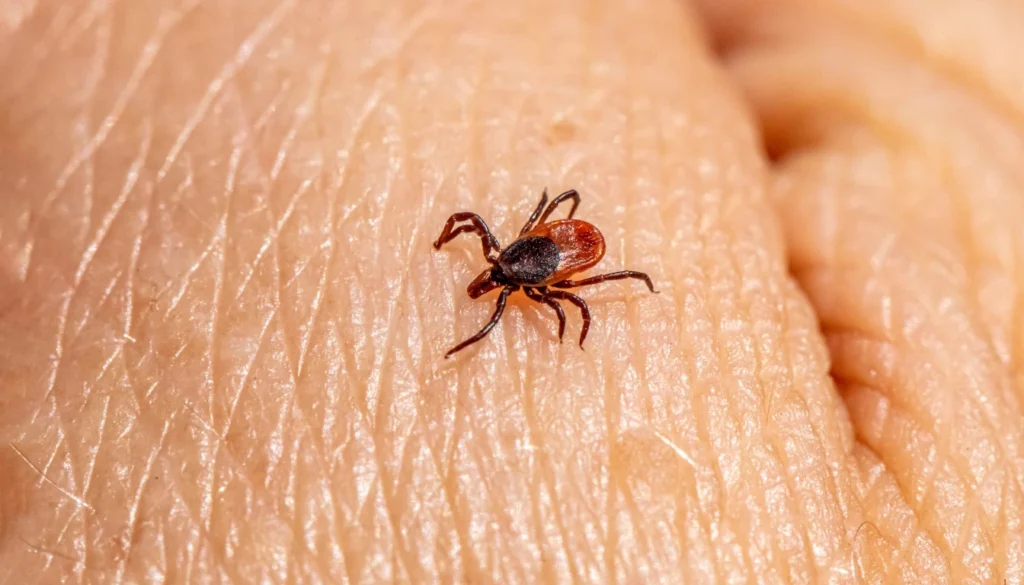
The short answer is simple: get tested when you have tick exposure plus symptoms. Do not wait for a perfect bull’s-eye rash. Many people never see one.
Testing matters most when you have a recent tick bite, time outdoors in a high-risk area, or symptoms that started after travel, hiking, yard work, or pet exposure. In places like Fairfield County, Connecticut, this comes up all the time after weekends on wooded trails or work in brushy backyards. I’ve also seen people in Westchester County dismiss a summer “virus” that was not a virus at all.
Common reasons to ask for a test for tick-borne diseases in humans include:
Fever or chills
Muscle pain or joint pain
Headache
Nausea
Profound fatigue
Brain fog
Night sweats
New palpitations or shortness of breath
A spreading rash, whether classic or not
Early symptoms overlap across Lyme, anaplasmosis, ehrlichiosis, babesiosis, and Rocky Mountain spotted fever. That is why symptoms alone cannot reliably sort out which infection is present. Early treatment can reduce the risk of severe disease, so timing matters.
A detail many patients do not hear: about 3 million clinical specimens are tested for tick-borne disease in the U.S. each year, yet experts still believe many infections are missed or undercounted. Research indexed through the National Library of Medicine has helped show how often testing gaps happen, especially when clinicians do not look beyond Lyme alone.
You should push for testing sooner if:
You removed an attached tick
You developed symptoms within days to weeks of a bite
You live in or visited an endemic area
You have symptoms that keep returning in waves
You had one negative Lyme test but your story still fits
And here is the honest warning: a negative early test does not always rule out infection. Antibodies can take time to rise. I’ve watched patients test too early, get dismissed, and then show clearer evidence later. That delay can cost months.
If your symptoms fit, ask your doctor to document exposure history, order Lyme testing, and consider co-infections. Start by writing down the bite date, symptom start date, and your first five symptoms. That takes 10 minutes and gives your visit much more value.
For a more detailed breakdown of test names and timing, this guide on Lyme Disease Blood Test helps patients understand what doctors usually order, and our guide on Best Lyme Disease Test explains how test choice changes by stage of illness.
We have helped thousands of people in Colorado, Wyoming, New Jersey, Pennsylvania, Texas, Wisconsin restore their health and quality of life by diagnosing and treating their Lyme Disease.
Here is the key fact: most doctors start with antibody testing for Lyme disease, but that is only one piece of the picture. If you may have more than one infection, your test plan should go wider.
For Lyme disease, the standard approach is two-tier testing. Step one uses an EIA or IFA screen. If that result is positive or unclear, step two uses an immunoblot. This is the classic method many labs still use.
But there is a real limitation. Standard two-tier testing identifies fewer than 40% of early Lyme cases in some reports, and false positives can also occur. That is one reason patients feel whiplash: one clinician says “negative,” another says “not so fast.” A practical overview in Understanding the ELISA Test explains why this first screen can miss people early on.
An updated option is modified two-tier testing, or MTTT. This method replaces the immunoblot with a second immunoassay. The CDC has supported this approach because it may detect some early Lyme infections within the first 30 days better than older methods. If your doctor says only “we ran Lyme,” ask which method they used.
Other tests doctors may use include:
PCR or other nucleic acid tests for certain infections, especially when looking for direct genetic material
Paired serology, with an acute test and a later convalescent test, to catch antibody changes over time
Blood smear or babesiosis testing when symptoms suggest parasite infection
Panels for co-infections if Lyme is not the whole story
Co-infections are not rare side notes. Some data suggest around 26% of tick-borne disease patients have more than one infection. That matters because babesiosis can bring air hunger and sweats, while anaplasmosis or ehrlichiosis can cause fever, low white blood cells, or liver enzyme changes. A broader look at Co-Infections Testing can help you ask smarter questions if your symptoms do not fit Lyme alone.
There is also emerging multiplex research, including the Tick-Borne Disease Serochip, which has been designed to test for eight pathogens at once. It is promising, but it is not yet widely available in routine clinical care.
What should you ask your doctor for right now?
Which Lyme test are you ordering, standard or modified two-tier?
How many days or weeks after exposure am I being tested?
Do my symptoms justify co-infection testing too?
If this is negative, when should I repeat testing?
What treatment decisions depend on the result?
I say this plainly because patients need the truth: lab results must be read in context. A lab slip does not feel your fevers at 2 a.m. It does not track the sudden knee pain, the drenching sweats, or the way stairs now feel like a hill.
For patients who cannot access local care quickly, an at-home Lyme disease test may offer an early starting point, though it should not replace a full medical evaluation. And if you want a side-by-side comparison of common options, Best Lyme Disease Test lays out how ELISA, Western blot, and PCR differ in real use.
One more practical note for readers in Greenwich or nearby parts of Connecticut: if your doctor orders only Lyme testing after a clear tick exposure and your symptoms include sweats, chills, or unusual shortness of breath, ask whether babesiosis testing should be added. Start by bringing a printed symptom timeline and asking those five questions above. That can change the whole visit.
A test for tick-borne diseases in humans works best when timing, symptoms, and test choice all line up. If your story fits but the first result is negative, do not assume the case is closed.
Ask specific questions. Track your symptoms. Push for co-infection testing when the picture is broader than Lyme alone. Start today by building a one-page timeline before your next appointment.
You should get tested if you have tick exposure plus symptoms such as fever, muscle pain, headache, or fatigue. Testing is important especially after a recent tick bite, time spent in high-risk areas, or symptoms following outdoor activities.
Doctors commonly use standard two-tier testing, starting with an EIA or IFA screen followed by an immunoblot if positive. Modified two-tier testing (MTTT) is an updated method supported by the CDC, and other tests include PCR and serology for co-infections.
No, a negative early test does not always exclude infection because antibodies may take time to develop. If symptoms persist, repeat testing or additional co-infection tests may be necessary to avoid missed diagnoses.
Symptoms like fever, chills, headache, muscle or joint pain, nausea, profound fatigue, brain fog, night sweats, and spreading rashes suggest the need for testing, especially after potential tick exposure.
Co-infections occur in about 26% of tick-borne disease cases. Testing for co-infections such as babesiosis, anaplasmosis, or ehrlichiosis is crucial because they can cause different symptoms and may require different treatments.
At-home Lyme disease tests can provide an early indication but should not replace a full medical evaluation. For accurate diagnosis and treatment decisions, comprehensive testing guided by a healthcare provider is recommended.
We have helped thousands of
people restore their health
and quality of life by diagnosing
and treating their Lyme Disease.
“Dr. Mueller’s approach to medicine is refreshing! There is only so much you can do with western medicine and in my life I was needing a new approach. By addressing the whole body, nutritional diet factors, environmental factors, blood work, and incorporating ideas I had not previously known, I was able to break through with my conditions. I am not only experiencing less pain in my life, but through the process of healing guided by Dr. Diane Mueller, I am now happy to say I have more consciousness surrounding how I eat, what to eat and when things are appropriate. Living by example Dr. Mueller has a vibrancy that makes you want to learn and know more about your body and overall health. I highly recommend her to anyone looking for new answers, a new approach to health, or in need of freedom from pain and limitations.”
-Storie S.
Kihei, HI