


If you feel like you’re reacting to everything, heat, foods, fragrances, stress, supplements, medications, you’re not imagining it. Maybe your face flushes after meals. Maybe you break out in hives when you’re stressed. Maybe a food you tolerated last month suddenly causes throat tightness, stomach pain, or a racing heart. And maybe you’ve already been told your allergy testing is normal, your IgE looks fine, or this is “just anxiety.”
That’s exactly why mast cell activation syndrome symptoms get missed.
MCAS is often non-IgE-mediated, which means standard allergy testing can be normal even when your body is having very real mast cell reactions. Instead of one classic allergy pathway, mast cells can release a wide range of inflammatory chemicals, histamine, prostaglandins, leukotrienes, heparin, chymase, and other mast cell mediators, that affect multiple body systems at once.
In this guide, you’ll get a practical breakdown of MCAS symptoms by body system, the most common triggers, how MCAS differs from histamine intolerance, why it’s so often dismissed, and what proper testing actually looks like. We’ll also cover the overlap we see clinically with Lyme disease, mold illness, gut dysfunction, and POTS. Because when symptoms seem random, scattered, and unpredictable, there’s often a pattern underneath, and that pattern matters.
MCAS symptoms often affect multiple body systems and can include flushing, hives, digestive issues, palpitations, and brain fog, making pattern recognition essential for diagnosis.
Mast cell activation syndrome typically does not show up on standard IgE allergy tests because it is usually non-IgE-mediated, leading to frequent misdiagnosis or dismissal.
Common MCAS triggers include foods, environmental factors, stress, hormonal changes, medications, infections, and temperature fluctuations, often acting cumulatively to provoke reactions.
MCAS differs from histamine intolerance by involving multiple mast cell mediators beyond histamine and requiring more comprehensive management beyond a low-histamine diet or DAO supplements.
Proper MCAS diagnosis relies on clinical symptom patterns, evidence of mediator release during flares, and response to mast cell-directed treatments, requiring timing and repeat testing.
Effective MCAS treatment in functional medicine focuses on stabilizing mast cells, supporting gut health, identifying root causes like infections or mold exposure, and pacing interventions carefully.
We have helped thousands of people in Colorado, Oregon, Wyoming, New Jersey, Pennsylvania, Texas, Wisconsin, New Hampshire, Alabama, South Dakota, and Vermont restore their health and quality of life by diagnosing and treating their Lyme Disease.

What is MCAS? MCAS stands for mast cell activation syndrome. Mast cells are immune cells that help protect you. They’re found throughout the body, especially in the skin, gut, airways, blood vessels, and around nerves. When they sense a threat, they release chemical messengers to respond.
That’s normal. The problem starts when mast cells become overly reactive and release those chemicals too easily, too often, or in the wrong situations.
In MCAS, your body may respond as if something dangerous is happening even when the trigger seems minor, or unclear. That can create a long MCAS symptoms list that spans multiple systems: flushing, itching, nausea, diarrhea, palpitations, dizziness, brain fog, headaches, shortness of breath, and more.
A key point: MCAS is usually non-IgE-mediated. So even if you have real mast cell symptoms, standard allergy tests may not capture what’s happening. That’s one reason patients get dismissed.
Symptoms are also often episodic. You may feel awful during a flare, then look relatively fine at an appointment. That doesn’t make it psychological. It means the biology can be intermittent.
Clinically, pattern recognition matters. If you’ve been dealing with multi-system reactions that don’t fit neatly into one box, MCAS may be part of the root-cause picture.
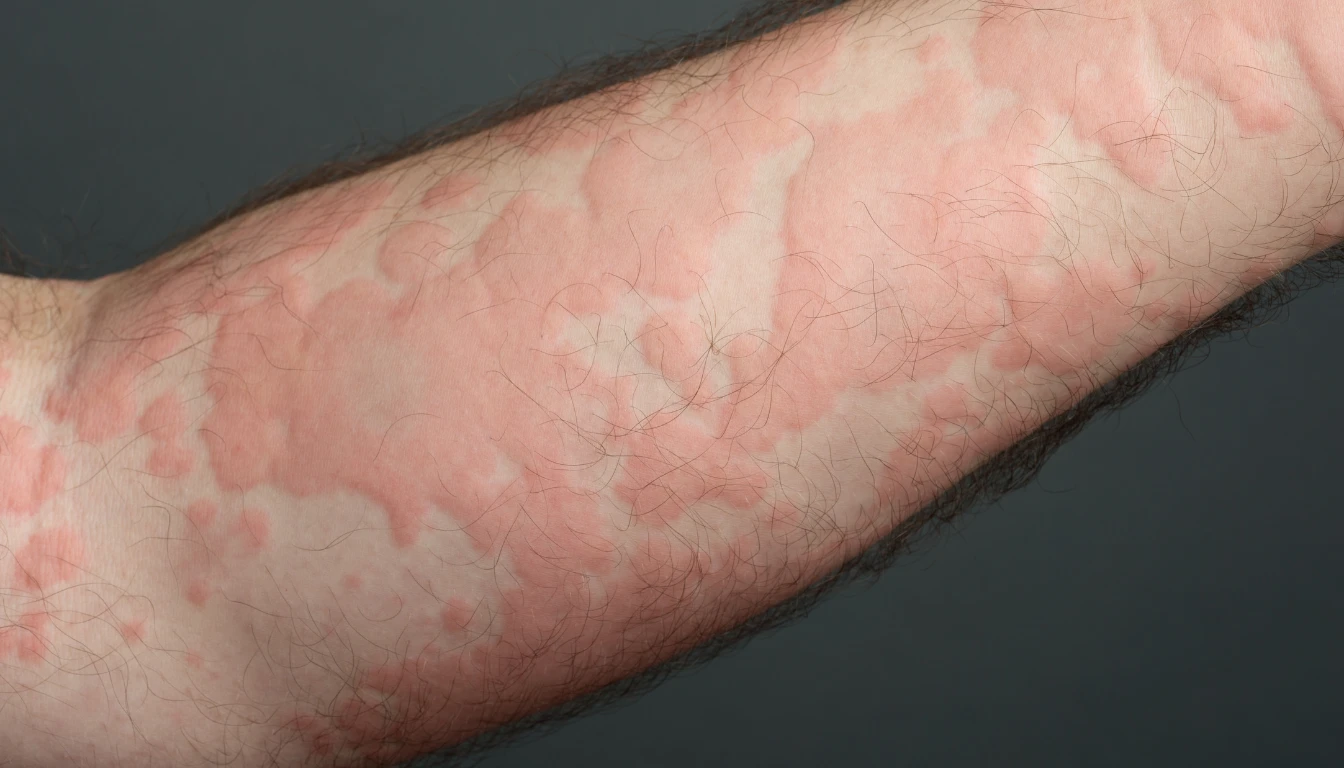
Skin is one of the most common places MCAS shows up. MCAS skin symptoms often include flushing, itching, hives, burning, swelling, and a sensation that your skin is suddenly hot or reactive. Some people develop dermographism, where light scratching causes raised red welts. Others notice unexplained rashes or skin sensitivity to clothing, temperature, or products. In some mast cell disorders, Darier’s sign, a localized hive-like reaction after rubbing a lesion, can be a clue, though it’s more classically discussed with mastocytosis.
A typical example: you eat leftovers, drink wine, get warm in the shower, and suddenly your chest and face are bright red. That pattern of MCAS flushing can be mast-cell-driven, not just “sensitive skin.”
Cardiovascular signs of MCAS can feel scary because they often come on fast. Common symptoms include rapid heart rate, palpitations, lightheadedness, drops in blood pressure, near-fainting, chest discomfort, and internal shakiness. Mast cell mediators can affect blood vessel tone and circulation, which is why symptoms may worsen with standing, heat, or stress.
This is one reason MCAS and autonomic dysfunction overlap so often. If you notice dizziness, tachycardia, and adrenaline-like surges when upright, there may also be a connection with POTS and dysautonomia.
MCAS GI symptoms are one of the biggest reasons people get misdiagnosed with IBS, reflux, or “just a sensitive stomach.” Mast cells line the digestive tract, so when they activate, you can see nausea, reflux, abdominal pain, bloating, diarrhea, constipation, cramping, early fullness, or urgency after eating.
Some people react to high-histamine foods. Others react to random foods, supplements, alcohol, leftovers, or even probiotics. You may have one “safe food” week and a completely different set of reactions the next.
This is also where leaky gut, microbiome disruption, and chronic infections can keep the system irritated. When gut immune signaling is dysregulated, mast cells can stay on edge.
Respiratory mast cell symptoms can include throat tightness, hoarseness, nasal congestion, sinus pressure, post-nasal drip, cough, chest tightness, and air hunger. Some people feel like they can’t get a satisfying breath, especially during flares.
That said, MCAS respiratory symptoms are not always the same as asthma. Asthma usually centers more specifically on lower-airway bronchospasm, while MCAS can involve upper-airway swelling, congestion, and mediator-driven breathing discomfort across several pathways. It can overlap with asthma, but it’s not identical.
When symptoms are severe, especially if breathing changes are escalating, timely medical care matters.
This is the part many patients are told is “just stress,” and it’s one of the most frustrating parts of the story. MCAS brain fog, headaches, migraines, dizziness, tingling, sensory sensitivity, insomnia, agitation, and even panic-like episodes can all be physiological manifestations of mast cell activation.
Mast cells interact closely with the nervous system. Histamine and other mediators can affect sleep, attention, vascular tone, and how stimulated your brain feels. So anxiety-like symptoms may be real body-based chemistry, not simply a psychological issue.
You can feel wired, shaky, unable to think clearly, and intensely reactive, without it being “all in your head.”
MCAS can also show up as diffuse body pain, joint discomfort, muscle aches, tension, weakness, and exercise intolerance. Some people feel flu-like or inflamed after exertion. Others notice that pain flares with certain foods, weather shifts, hormone changes, or infections.
This category gets overlooked because it doesn’t scream “allergy.” But mast cell mediators can amplify pain signaling and tissue irritation, especially in people who already have chronic inflammatory load.
Systemic mast cell activation syndrome symptoms often include fatigue, temperature dysregulation, night sweats, feeling feverish without a true fever, shakiness, malaise, and episodic “crashes” where your whole body feels overwhelmed.
In some cases, MCAS can contribute to severe reactions, including MCAS anaphylaxis. That doesn’t mean everyone with MCAS will experience anaphylaxis, and it’s important not to panic. But it does mean escalating whole-body reactions, especially those involving breathing, circulation, or multiple systems at once, should be taken seriously.
As summarized in StatPearls on mast cell disorders, mediator release can cause broad, episodic symptoms because mast cells affect multiple organs at once. That whole-body, inconsistent-but-patterned picture is exactly why MCAS can be so confusing.
We have helped thousands of people in Colorado, Oregon, Wyoming, New Jersey, Pennsylvania, Texas, Wisconsin, New Hampshire, Alabama, South Dakota, and Vermont restore their health and quality of life by diagnosing and treating their Lyme Disease.
MCAS triggers are often cumulative. It’s not always one thing. Think bucket, not bullet: food plus heat plus stress plus a poor night of sleep may create a flare even when any one trigger alone seems tolerable.
Common trigger categories include:
Food-related: alcohol, fermented foods, aged foods, leftovers, smoked meats, tomatoes, spinach, vinegar, shellfish, chocolate, and food additives can be common offenders. But triggers can be highly individual.
Environmental: fragrances, cleaning chemicals, smoke, pollen, mold exposure, temperature shifts, and poor indoor air quality.
Hormonal: ovulation, PMS, menstrual shifts, perimenopause, and major endocrine fluctuations.
Thermal: heat, hot showers, saunas, exercise, sun exposure, cold air, rapid temperature changes.
Medication and supplement triggers: NSAIDs, opioids, contrast dye, some antibiotics, alcohol-based tinctures, fillers, and even “healthy” supplements.
Stress and nervous system load: emotional stress, overexertion, sleep deprivation, travel, and trauma-related fight-or-flight activation.
Infection-related: viral illness, chronic infections, gut overgrowth, and inflammatory immune burden.
This is where deeper root-cause work matters. We often evaluate Lyme and co-infections as MCAS triggers because chronic infections can keep mast cells activated.
The practical takeaway: don’t assume your body is random. Track patterns. Timing, environment, meals, hormones, infections, and exposures all matter.
Histamine intolerance vs MCAS is one of the most common questions we hear. They can look similar, and they can absolutely co-occur, but they’re not the same thing.
Histamine intolerance usually means you’re struggling to break down histamine efficiently, often because of reduced DAO enzyme activity in the gut, gut inflammation, certain medications, or a high-histamine diet. Symptoms may include headaches, flushing, itching, nasal symptoms, GI upset, and food reactions, especially after histamine-rich foods.
MCAS, by contrast, is not just about histamine. It involves unstable mast cells releasing multiple mediators, including histamine, prostaglandins, leukotrienes, heparin, and chymase. That’s why symptoms may be broader and more unpredictable.
Feature | Histamine Intolerance | MCAS |
|---|---|---|
Primary issue | Histamine breakdown problem | Mast cell overactivation |
Main chemicals | Mostly histamine | Histamine + multiple mediators |
Trigger pattern | Often food-linked | Food, stress, heat, hormones, meds, infections, environment |
Testing clues | Clinical pattern, possible DAO support response | Mediator testing, flare-based labs, pattern recognition |
Treatment focus | Lower histamine load, gut support, DAO supplement | Mast cell stabilization + root-cause treatment |
A low-histamine diet or DAO supplement may help histamine intolerance a lot. In MCAS, those tools may help somewhat, but they usually aren’t enough on their own. If your symptoms include palpitations, throat symptoms, medication reactions, major flares from heat or stress, or highly variable multi-system episodes, MCAS moves higher on the list.
And yes, MCAS and histamine issues can overlap. A person may have mast cell dysfunction and poor histamine clearance at the same time.
We have helped thousands of people in Colorado, Oregon, Wyoming, New Jersey, Pennsylvania, Texas, Wisconsin, New Hampshire, Alabama, South Dakota, and Vermont restore their health and quality of life by diagnosing and treating their Lyme Disease.
MCAS is missed for a few very predictable reasons.
First, symptoms are episodic. You may have flushing, diarrhea, palpitations, and brain fog during a flare, then show up to an appointment looking fairly normal. That can make your story sound inconsistent to clinicians who aren’t trained to recognize mast cell patterns.
Second, there is no single perfect biomarker. A normal serum tryptase does not rule out MCAS. Tryptase is useful, but it’s only one mediator, and many people with MCAS have normal results between flares.
Third, symptoms are scattered across specialties:
GI sends you to gastroenterology for “IBS”
palpitations send you to cardiology
rashes send you to dermatology
anxiety-like surges send you to psychiatry
headaches send you to neurology
Meanwhile, nobody is connecting the dots.
Fourth, because standard IgE allergy testing may be normal, patients are often told nothing allergic is happening. But MCAS is commonly non-IgE-mediated, which is exactly why the workup can be missed.
This is also why MCAS and Lyme disease misdiagnosis share a pattern. Multi-system, fluctuating illness often gets fragmented, minimized, or labeled psychosomatic when the underlying issue is more complex.
You deserve better than that. A good clinician looks at timing, triggers, systems involved, and response patterns, not just one snapshot lab.
If you’re wondering how to know if you have MCAS, proper testing is part labs, part timing, and part clinical pattern recognition.
Consensus-style MCAS diagnosis criteria generally look at three buckets:
Typical symptoms affecting multiple systems
Evidence of mast cell mediator release
Improvement with mast-cell-directed treatment
The biggest testing mistake? Only checking Tryptase once, while you’re not flaring. Baseline tryptase can be normal in MCAS. More helpful evaluation may include repeat or flare-based serum tryptase, plasma histamine in select settings, urinary N-methylhistamine, prostaglandin D2 or 11-beta-PGF2alpha, leukotriene metabolites, and other mast cell mediators depending on the case and lab access.
Timing matters. These labs are often most useful during or close to a flare, because results may normalize between episodes.
Clinical context matters too. If you’ve got a pattern of multi-system reactions, normal allergy testing, and symptoms that wax and wane, don’t let one normal result end the investigation. A more complete picture may also include reviewing gut health, infections, hormones, nervous system dysfunction, and environmental exposures.
If your symptoms are broad and confusing, Take our Health Quiz to help identify whether mast cells, infections, mold, or autonomic issues may be part of the same pattern.

This is where our clinical lens is different: we don’t just ask whether you have mast cell symptoms. We ask why your mast cells are so activated in the first place.
In real-world chronic illness, MCAS and Lyme disease often overlap. So do MCAS and mold. Add gut dysfunction, immune dysregulation, and autonomic instability, and suddenly the whole picture starts to make sense.
Persistent immune activation from Lyme and co-infections can keep your system in a chronic inflammatory state. In that environment, mast cells may become hypervigilant. Patients often say, “I treated some of the infection, but I still react to everything.” That can be the mast cell layer.
Mold exposure and biotoxin burden can be powerful drivers of mast cell reactivity. Many patients with mold illness and MCAS overlap notice worsening with buildings, humidity, musty spaces, or water-damaged environments. In some cases, CIRS and mast cell activation are part of the same inflammatory terrain.
These conditions can all contribute to fatigue, brain fog, dizziness, GI symptoms, anxiety-like surges, sleep disruption, headaches, food reactivity, and chemical sensitivity. That’s why isolated treatment often falls short. If you only treat one layer, the others may keep fueling the fire.
We also biotoxin-driven mast cell activation in patients whose symptoms persist even though standard gut or allergy approaches. Sequence matters. Root causes matter.
We have helped thousands of people in Colorado, Oregon, Wyoming, New Jersey, Pennsylvania, Texas, Wisconsin, New Hampshire, Alabama, South Dakota, and Vermont restore their health and quality of life by diagnosing and treating their Lyme Disease.
MCAS functional medicine is not just symptom suppression. It’s a step-by-step roadmap to calm mast cells while identifying what’s driving them.
Usually, MCAS treatment has layers:
Early care often focuses on reducing reactivity and lowering the “threat load.” That may include a personalized low-histamine approach, careful food simplification, nervous system support, sleep work, hydration, and reducing obvious triggers. Depending on the case, tools may include H1/H2 support, cromolyn sodium, ketotifen, vitamin C, quercetin, luteolin, and other targeted strategies under clinician guidance.
Because the gut is such a major mast cell hub, we often look at microbiome imbalance, intestinal inflammation, infections, nutrient status, and whether histamine intolerance is also present. Some people benefit from DAO support, but that’s rarely the whole answer.
This is the part many people miss. If infections, biotoxins, hormones, limbic stress, or chronic immune activation are still present, mast cells may keep firing. That’s why we look beyond the obvious and ask what is still provoking the system.
Mast cell patients often react to supplements, fillers, dose changes, and aggressive refresh. The right plan is usually paced, personalized, and sequenced.
If you’ve been living with unpredictable flushing, GI symptoms, brain fog, palpitations, food reactions, or anxiety-like surges that don’t fit one simple diagnosis, your symptoms may be more connected than they look. MCAS symptoms are often multi-system, episodic, and easy to miss, especially when testing is incomplete or done between flares.
The good news? There is a roadmap. When you look at mast cells alongside gut health, nervous system function, infections, mold exposure, and autonomic dysfunction, the picture often gets much clearer.
If you’re trying to sort out whether this is MCAS, histamine intolerance, Lyme, mold, or a combination, take our Health Quiz to start identifying your likely root-cause patterns. And if you’re ready for a personalized plan, consider booking a consult with Dr. Diane.
You’re not overreacting. You may be dealing with an overreactive system. And once you understand the pattern, you can finally start treating the whole picture.
Medical disclaimer: This article is for educational purposes only and is not a substitute for personal medical care, diagnosis, or emergency treatment.
Yes. Many patients report that MCAS seemed to develop seemingly overnight, often following an infection (Lyme disease, COVID, EBV), mold exposure, or a period of severe stress. In reality, the mast cell dysregulation likely built slowly until a trigger pushed it past a threshold.
Both are possible. Histamine stimulates appetite in some people, and the inflammation from MCAS can cause fluid retention and bloating. Others experience weight loss due to food aversion and GI symptoms making it difficult to eat.
MCAS is not technically autoimmune, but the two frequently co-occur. MCAS involves dysregulation of innate immune cells (mast cells), not autoantibodies. However, patients with autoimmune conditions are at higher risk, and MCAS can worsen autoimmune activity.
Yes. MCAS is underdiagnosed in children. Signs in children include recurrent abdominal pain, food refusals, skin reactions, frequent infections, and behavioral changes after exposures.
Classic allergies are IgE-mediated, your immune system creates antibodies to a specific substance. MCAS is usually IgE-negative. The reactions look similar (flushing, hives, anaphylaxis in severe cases), but the mechanism is different, which is why standard allergy testing is often negative in MCAS patients.
Valent, P., Akin, C., Arock, M., Brockow, K., Butterfield, J. H., Carter, M. C., Castells, M., Escribano, L., Hartmann, K., Lieberman, P., Nedoszytko, B., Orfao, A., Schwartz, L. B., Sotlar, K., Sperr, W. R., Triggiani, M., Valenta, R., Horny, H.-P., & Metcalfe, D. D. (2012). Definitions, criteria and global classification of mast cell disorders with special reference to mast cell activation syndromes: A consensus proposal. International Archives of Allergy and Immunology, 157(3), 215–225. https://doi.org/10.1159/000328760
Akin, C., Valent, P., & Metcalfe, D. D. (2010). Mast cell activation syndrome: Proposed diagnostic criteria. The Journal of Allergy and Clinical Immunology, 126(6), 1099–1104.e4. https://pmc.ncbi.nlm.nih.gov/articles/PMC3753019/
Gülen, T., et al. (2021). Selecting the right criteria and proper classification to diagnose mast cell activation syndromes: A critical review. The Journal of Allergy and Clinical Immunology: In Practice, 9(11), 3973–3985. https://pubmed.ncbi.nlm.nih.gov/34166845/
We have helped thousands of
people restore their health
and quality of life by diagnosing
and treating their Lyme Disease.
“Dr. Mueller’s approach to medicine is refreshing! There is only so much you can do with western medicine and in my life I was needing a new approach. By addressing the whole body, nutritional diet factors, environmental factors, blood work, and incorporating ideas I had not previously known, I was able to break through with my conditions. I am not only experiencing less pain in my life, but through the process of healing guided by Dr. Diane Mueller, I am now happy to say I have more consciousness surrounding how I eat, what to eat and when things are appropriate. Living by example Dr. Mueller has a vibrancy that makes you want to learn and know more about your body and overall health. I highly recommend her to anyone looking for new answers, a new approach to health, or in need of freedom from pain and limitations.”
-Storie S.
Kihei, HI