
You’re halfway into a mold protocol, your cart is full of charcoal, clay, maybe cholestyramine screenshots, and somehow you feel more confused than when you started. Sound familiar? Binders are essential in mold recovery… but they’re also one of the most misused tools I see. People grab whatever a supplement company calls a “refresh binder,” take too much too fast, get constipated, flare hard, and then decide binders “don’t work.”
The truth is less dramatic and more useful: binders for mold refresh are not interchangeable. The best choice depends on your exposure status, symptoms, gut function, tolerance, and often your likely or confirmed mycotoxin profile. If you’re still living in exposure, or your drainage and foundations aren’t supported, binders can absolutely backfire.
And yes, we need to talk about the big questions, prescription bile acid sequestrants versus OTC options, how gut-based binders interrupt recirculation, why constipation is the dropout point, and where binders fit in a real phased protocol. If you haven’t confirmed mold illness yet, start with our symptom guide.
Binders for mold detox are crucial for reducing reabsorption of mycotoxins in the gut by interrupting their enterohepatic circulation.
Choosing the right binders depends on individual factors including toxin profile, current mold exposure, gut health, and the phase of detox protocol.
Prescription bile acid sequestrants like cholestyramine and Welchol have stronger clinical evidence for mold-related biotoxin illnesses than most OTC supplements such as charcoal, clay, chlorella, or zeolite.
Starting binders too early or without proper gut support and mold exposure control can worsen symptoms and lead to treatment failure.
Managing constipation proactively is essential when using mold binders, as it is the main reason for discontinuation and symptom flares.
Consulting healthcare practitioners for personalized mold binder selection and sequencing ensures safety, better tolerance, and improved outcomes in mold detox protocols.
Have Mold Illness or suspect you do?
We have helped thousands of people in Colorado, Oregon, Wyoming, New Jersey, Pennsylvania, Texas, and Wisconsin restore their health and quality of life by diagnosing and treating their Mold Illness.

Binders are substances that stay mostly in the gut and grab onto toxins so you can carry them out in stool instead of reabsorbing them. In mold illness, that matters because many mycotoxins get processed by the liver, dumped into bile, sent into the intestines, and then, annoyingly, can be reabsorbed again. That loop is called enterohepatic circulation.
Plain-English version? Your body takes the trash to the curb, and then the trash somehow walks back into the house.
That’s why GI binders mycotoxins protocols focus on the gut. They don’t “kill mold” in your body. They help with mold toxin removal by lowering reabsorption.
This becomes especially relevant in people with suspected CIRS, ongoing inflammatory responses, or high biotoxin burden. If you want a deeper primer, this matters for backgraoundon CIRS and the biotoxin pathway and in broader biotoxin illness patterns.
A few key points:
Prescription binders and OTC binders are different categories. Cholestyramine and Welchol are bile acid sequestrants: charcoal, clay, chlorella, and zeolite are supplements.
Different binders have different binding profiles. That’s why “best binders for mold illness” is the wrong question unless you also ask which toxins, which patient, and what phase?
Evidence levels are not equal. Prescription binders have stronger clinical use history in CIRS/Shoemaker-style care than most OTC products.
In Dr. Diane Mueller’s clinical model, binders are usually not the first move. Her broader phased functional approach places them in Phase 3, after Neuro Reset and body foundation work are in place. That’s a major difference from a narrower Shoemaker Phase 1 emphasis on binder use early in care. You can zoom out with our full mold illness natural treatment approach.
If you’ve spent five minutes in a CIRS forum, you’ve seen cholestyramine for mold come up. Cholestyramine is a prescription bile acid sequestrant. It binds bile acids in the intestines, which is why it became central to Shoemaker Protocol discussions and the classic cholestyramine CIRS conversation.
Why is it such a big deal? Because some biotoxins recirculate through bile. By binding bile more aggressively, CSM can help reduce recirculation in properly selected patients. This is the strongest distinction between CSM and casual “refresh powders.” It’s not just a stronger charcoal. It’s a medication with a specific mechanism.
Research on cholestyramine’s toxin-binding role and inflammatory biotoxin illness is part of why it became foundational in CIRS care, including Shoemaker’s published work and related literature.
But here’s the catch: it’s also the binder most likely to go badly when sequencing is wrong. If you’re still exposed based on ERMI/HERTSMI-2, haven’t stabilized bowels, or have fragile liver/lymph drainage, you can feel awful fast.
Best fit:
Strong CIRS suspicion or diagnosis
Higher inflammatory burden
Patients needing a true Rx option, not just mold refresh supplements
Watch-outs:
Constipation
Medication/nutrient binding
Tolerance issues with flavored/sweetened versions
Cholestyramine and Welchol are prescription medications. Consult a licensed healthcare provider before use.
Activated charcoal is the supplement-world celebrity. It’s common, affordable, and often useful, but it’s still not a one-size-fits-all answer. Activated charcoal for mold toxins can be helpful because charcoal has a broad surface area and can adsorb a range of compounds in the gut.
There is peer-reviewed research showing charcoal’s binding activity with certain toxins, though evidence for human mold illness protocols is far less robust than prescription bile acid sequestrants. A review of mycotoxin binders notes that binding behavior varies widely by toxin and material type, which is exactly why charcoal shouldn’t be treated as universally equivalent to CSM or clay (PMC review).
I often think of charcoal as the “duct tape” binder, useful in a lot of situations, ideal in fewer than people hope.
Best fit:
Sensitive starters who need to begin low
Mixed-toxin support in broader mold binder protocol plans
People who can’t tolerate stronger options yet
Watch-outs:
Can worsen constipation
Can bind meds and supplements
May be too weak alone for some higher-burden CIRS cases
Bentonite clay mold refresh products are popular for a reason: clay can bind certain compounds well, is widely available, and often feels “gentler” to readers who want a natural option. But natural doesn’t always mean better tolerated, or cleaner sourced.
Clay’s effectiveness depends heavily on product quality, mineral composition, and what you’re actually trying to bind. Some patients do well with it as part of layered mycotoxin binders support, especially when stooling is already regular. Others feel heavier, more bloated, and more stuck.
My practical take? Clay can be useful, but it’s the binder I’m quickest to question if you already trend constipated.
Best fit:
People wanting OTC mold refresh binders
Cases where a practitioner is rotating or combining binders
Watch-outs:
Constipation risk is real
Quality varies a lot
Not ideal to treat as a generic “pull everything out” solution.
Have Mold Illness or suspect you do?
We have helped thousands of people in Colorado, Oregon, Wyoming, New Jersey, Pennsylvania, Texas, and Wisconsin restore their health and quality of life by diagnosing and treating their Mold Illness.
Chlorella for mold refresh gets attention because it straddles refresh support and nutrient support. Some people like that it feels less pharmaceutical and more “whole food.” Others react to it quickly, especially if histamine, sulfur issues, or GI sensitivity are already in play.
Chlorella isn’t my first thought for classic Shoemaker-style CIRS treatment protocol use. It’s more often a functional medicine adjunct, sometimes helpful, rarely the whole strategy. It may fit better in patients who need a broader, gentler support plan rather than an aggressive bile-focused binder.
Best fit:
Lighter support plans
Patients who tolerate algae products well
Adjunct use, not solo heavy lifting
Watch-outs:
Variable tolerance
Product purity matters
Not equivalent to prescription options for significant biotoxin burden
Zeolite mold refresh is where sourcing really matters. A lot. Zeolites are porous minerals that can bind certain substances, but the supplement market here gets fuzzy fast. Some products are excellent. Some are just expensive dust in a pretty jar, sorry, but it’s true.
If you’re considering zeolite, pay attention to:
Third-party testing
Heavy metal screening
Particle size and form
Whether the company provides actual quality documentation
This is one of the biggest gaps in generalized refresh articles. They’ll mention zeolite like it’s interchangeable with charcoal or CSM. It isn’t. Product quality can make or break tolerability, and clinical response is inconsistent.
Best fit:
Carefully selected supplement protocols
Patients prioritizing purity and practitioner-vetted sourcing
If you want practitioner-curated options instead of gambling on marketplace listings, start with Dr. Diane’s product recommendations for mold refresh support.
Welchol for mold is another prescription bile acid sequestrant, often considered a gentler alternative to cholestyramine. It generally binds bile less aggressively than CSM, which means some patients tolerate it better, but some also find it less effective for severe cases.
That tradeoff matters. If cholestyramine is the heavyweight, Welchol is often the more tolerable middle ground.
Best fit:
Patients who need an Rx binder but can’t tolerate CSM well
Cases with constipation or sensitivity concerns
Step-down or alternative prescription support
Watch-outs:
Still requires medication separation
Still not OTC
May be insufficient as a solo option in higher-burden cases
A general medical overview of bile acid sequestrants and common side effects aligns with what many patients experience clinically, including constipation and GI upset .
Here’s the clean version you can save, print, or screenshot.
Binder | Type | Best use case | Evidence level | Main downside | Notes |
|---|---|---|---|---|---|
Cholestyramine (CSM) | Prescription bile acid sequestrant | Stronger CIRS/biotoxin cases, bile recirculation focus | Higher clinical evidence in CIRS context | Constipation, med/nutrient binding | Classic Shoemaker Phase 1 binder |
Welchol | Prescription bile acid sequestrant | Patients needing gentler Rx support | Moderate clinical use | Can still constipate: may be weaker | Not interchangeable with CSM |
Activated Charcoal | OTC supplement | Broad starter option, low-cost support | Moderate-to-limited for mold illness humans | Constipation, broad binding | Good entry-level option |
Bentonite Clay | OTC supplement | Selected adjunct use | Limited and variable | Slows bowels easily | Source quality matters |
Chlorella | OTC supplement | Adjunct, lighter functional support | Limited | Reactivity, purity issues | Not a replacement for Rx binders |
Zeolite | OTC supplement | Practitioner-guided, quality-vetted use | Limited and variable | Sourcing concerns | Heavy metal testing matters |
The simplest takeaway: the best binders for mold illness depend on your toxin profile, exposure status, gut tolerance, and whether you’re dealing with probable CIRS versus a milder mold toxin issue.

This is where a lot of smart people sabotage a decent plan.
First: binders need separation from medications and supplements because they can grab helpful things too. Clinical guidance varies by binder, but the common rule is to take them away from meds, nutrients, and often meals. Work with your practitioner on exact timing.
Second: start low. Really low. The “I took a full scoop because the label said so” move is how weekends get ruined.
Third: constipation management with binders is not optional. It’s the main reason people quit. Practical basics help more than fancy refresh language:
Drink more water than you think you need
Start with a low binder amount and increase gradually
Use magnesium if appropriate for you
Vitamin C can help stool motility in some protocols
Keep fiber individualized, not everyone with mold and dysbiosis does well with a huge fiber jump
Some patients benefit from Saccharomyces boulardii support, depending on gut status
If you flare, don’t assume you’re “detoxing well.” Sometimes you’re just blocked up and reabsorbing toxins. That’s very different. If you’re dealing with a die-off reaction or symptom spike, this guide on managing herx reactions during mold refresh can help you think more clearly about what’s happening.
Have Mold Illness or suspect you do?
We have helped thousands of people in Colorado, Oregon, Wyoming, New Jersey, Pennsylvania, Texas, and Wisconsin restore their health and quality of life by diagnosing and treating their Mold Illness.
This is probably the most important section in the whole article.
A lot of binder content online jumps straight to products. But if you’re still sleeping in a moldy room, your HERTSMI-2 or ERMI remains high, your VCS looks off, your drainage is poor, and your nervous system is stuck in fight-or-flight, then taking binders with mold illness can make you feel worse, not better.
Dr. Mueller’s system is broader than a narrow “take CSM first” model. In her clinical framework, Phase 1 is Neuro Reset, Phase 2 is body foundation, and Phase 3 introduces binders. That foundation work often includes bowel regularity, liver support, lymph movement, gut repair, and reducing ongoing exposure. Sequence matters.
Shoemaker Protocol emphasizes removing exposure and then using a binder early, especially in confirmed CIRS. That approach has helped many patients. But in functional medicine practice, Dr. Mueller often sees people fail because they technically started “the right binder” in the wrong body.
Common DIY failure points:
Ongoing exposure even though starting a mold binder protocol
Dysbiosis or leaky gut that worsens tolerance
Unsupported liver and lymph drainage
Over-aggressive dosing leading to Herx-like reactions
Ignoring test context like HLA-DR susceptibility or overall mycotoxin burden
Testing helps here. A VCS screen, environmental testing, and a mold toxicity test can all add context, though interpretation still matters.
Urine mycotoxin testing can be useful when paired with symptoms and exposure history, but they are not perfect in isolation. That’s the nuance generalized refresh blogs usually skip.
Not everyone does. But a lot of people asking that question online are further along the illness spectrum than they realize.
You’re more likely to need prescription-level support if:
You have a strong CIRS picture or formal diagnosis
You’ve failed multiple OTC mold refresh supplements
You react strongly, relapse easily, or stay inflamed even though environmental work
Your suspected burden is high, including history suggestive of significant ochratoxin A, trichothecenes, aflatoxin, or gliotoxin exposure
Your practitioner believes bile-focused binding is clinically indicated
You may do well with OTC support if:
Symptoms are milder
Exposure was limited and resolved quickly
Your gut is sensitive and needs a gentler start
You’re using binders as part of a larger phased plan, not as the whole plan
The real question isn’t “Do binders work for mold illness?” It’s which level of binder fits your case.
A 2022 review on mycotoxin binders again underscores that binding efficacy depends on the compound, the binder material, and the conditions involved, not all GI binders mycotoxins strategies perform equally (review article). That’s why blindly stacking charcoal, clay, and zeolite rarely beats a targeted plan.
1. Treating all binders as interchangeable. They’re not. Cholestyramine for mold is not the same thing as charcoal in a capsule, and neither one should be chosen without considering your exposure status and likely toxin pattern.
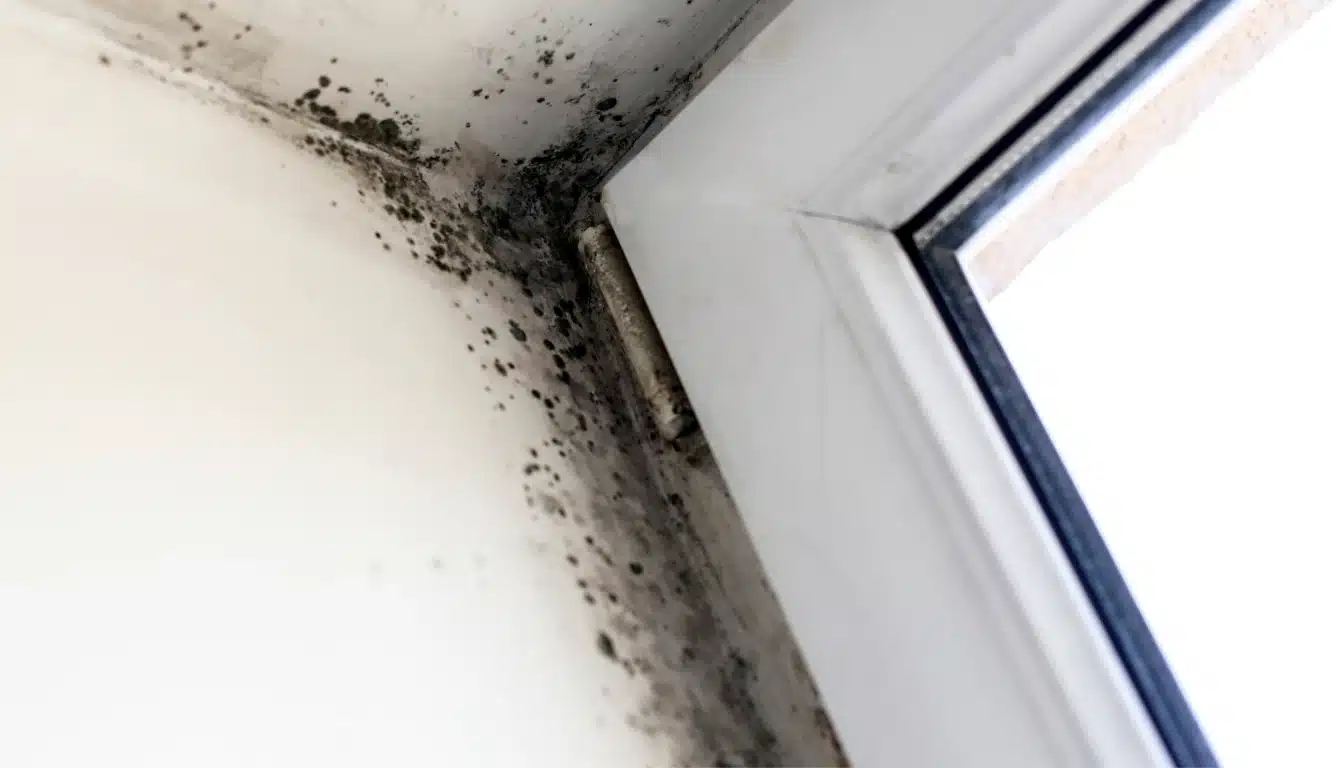
2. Using binders while still exposed. If your house, office, or HVAC is still part of the problem, you’re trying to bail out a boat with a hole in the bottom. No supplement stack wins that argument.
3. Poor timing. Binders can interfere with prescriptions, thyroid meds, hormones, minerals, and other supplements. You need a timing plan, not guesswork.
4. Underestimating constipation. This is the dropout point, full stop. If stool slows down, your symptoms often climb, headaches, nausea, irritability, fatigue, brain fog. Handle bowels proactively, not after day five of misery.
5. Choosing low-quality products. This is especially important with zeolite and some blended mold refresh binders. Cheap sourcing can mean inconsistent potency or contamination concerns.
6. Staying DIY too long after obvious failure. If you’ve already tried binders and you’re not improving, don’t just keep swapping bottles at 1 a.m. like it’s health roulette. Consider CIRS evaluation, exposure reassessment, and a structured plan around mold illness symptoms and your larger how to refresh from mold roadmap.
These statements have not been evaluated by the FDA. These products are not intended to diagnose, treat, aid, or prevent any disease.
The right binders for mold refresh can be incredibly helpful, but only when the choice matches your mycotoxins, your gut, your exposure status, and your phase of care. That’s the piece most articles miss. They hand you a list of products. They don’t help you decide what actually fits.
If you’re choosing between charcoal, clay, zeolite, chlorella, Welchol, or cholestyramine, don’t treat them like interchangeable refresh trends. Match the binder to the burden. Respect timing. Protect bowel function. And don’t start Phase 3 tools before the groundwork is in place.
If you want practitioner-vetted options, start with Dr. Diane’s product recommendations for mold refresh support. If you want a personalized roadmap instead of more trial-and-error, you can book initial consultation with Dr. Diane. Healing gets a lot clearer when the sequence is right.
Duration depends on the severity of exposure, the specific mycotoxins involved, and how well your body is eliminating. In the Shoemaker Protocol, cholestyramine is typically used for weeks to months. OTC binders may be used longer. Work with a clinician to assess mycotoxin levels over time via urine testing.
Yes, especially cholestyramine and activated charcoal. This is one of the most common side effects. Managing it requires: high water intake (80+ oz/day), magnesium citrate or magnesium oxide, vitamin C to bowel tolerance, and starting at low doses.
Activated charcoal, bentonite clay, chlorella, and zeolite are available OTC at health food stores. Cholestyramine (CSM) and Welchol require a prescription. For mild exposure, OTC binders are a reasonable starting point. For formal CIRS, prescription options are typically more effective.
No. Activated charcoal used medicinally is specifically prepared to maximize surface area and purity. Barbecue charcoal contains additives and is not safe for ingestion.
Hudnell, H. K., & Shoemaker, R. C. (2005). Chronic biotoxin-associated illness: Multiple-system symptoms, a vision deficit, and a new clinical trial protocol. Environmental Health Perspectives, 113(5), A296–A297. https://pubmed.ncbi.nlm.nih.gov/16102938/
Kihal, A., Rodríguez-Prado, M., & Calsamiglia, S. (2022). The efficacy of mycotoxin binders to control mycotoxins in feeds and the potential risk of interactions with nutrient: A review. Journal of Animal Science, 100(11), skac328. Full text: https://pmc.ncbi.nlm.nih.gov/articles/PMC9685567/
Kerkadi, A., Barriault, C., Tuchweber, B., Frohlich, A. A., Marquardt, R. R., & Yousef, I. M. (1999). Cholestyramine protection against ochratoxin A toxicity: Role of ochratoxin A sorption by the resin and bile acid enterohepatic circulation. Journal of Food Protection, 62(12), 1461–1465. https://pubmed.ncbi.nlm.nih.gov/10606152/
Kihal, A., Rodríguez-Prado, M., & Calsamiglia, S. (2022). The efficacy of mycotoxin binders to control mycotoxins in feeds and the potential risk of interactions with nutrient: A review. Journal of Animal Science, 100(11), skac328. https://academic.oup.com/jas/article-abstract/100/11/skac328/6754272?redirectedFrom=fulltext
Ahn, J. Y., Kim, J. E., & Kim, Y. H. (2022). An in vitro study on the efficacy of mycotoxin sequestering agents for aflatoxin B1, deoxynivalenol, and zearalenone. Toxins, 14(2), 120. https://pmc.ncbi.nlm.nih.gov/articles/PMC8833486/
Wang, M., Hearon, S. E., & Phillips, T. D. (2019). A high capacity bentonite clay for the sorption of aflatoxins. Food Additives & Contaminants: Part A, 36(10), 1501–1512. https://pmc.ncbi.nlm.nih.gov/articles/PMC6989347/
We have helped thousands of
people restore their health
and quality of life by diagnosing
and treating their Lyme Disease and Mold Illness.
“Dr. Mueller’s approach to medicine is refreshing! There is only so much you can do with western medicine and in my life I was needing a new approach. By addressing the whole body, nutritional diet factors, environmental factors, blood work, and incorporating ideas I had not previously known, I was able to break through with my conditions. I am not only experiencing less pain in my life, but through the process of healing guided by Dr. Diane Mueller, I am now happy to say I have more consciousness surrounding how I eat, what to eat and when things are appropriate. Living by example Dr. Mueller has a vibrancy that makes you want to learn and know more about your body and overall health. I highly recommend her to anyone looking for new answers, a new approach to health, or in need of freedom from pain and limitations.”
-Storie S.
Kihei, HI
We have helped thousands of people restore their health and quality of life by diagnosing and treating their Mold Illness, Lyme Disease and other root causes.