

Written and medically reviewed by Dr. Diane Mueller, ND, DAOM, LAc, founder of MyLymeDoc. Last reviewed August 28, 2026.
Black mold typically appears as dark green to black patches, often slimy when wet and powdery when dry, spreading in irregular clusters on damp walls, wood or ceiling tiles. That is the answer you came for. Here is the part almost every other page leaves out: you cannot tell whether mold is dangerous by looking at it. The Environmental Protection Agency is direct about this. “Black mold” is not a species. Neither is “toxic mold.” The EPA also states that “no one can tell whether a mold is producing mycotoxins just by looking at it.” If you are trying to work out whether the patch in your bathroom is making you ill, appearance is close to useless as evidence.
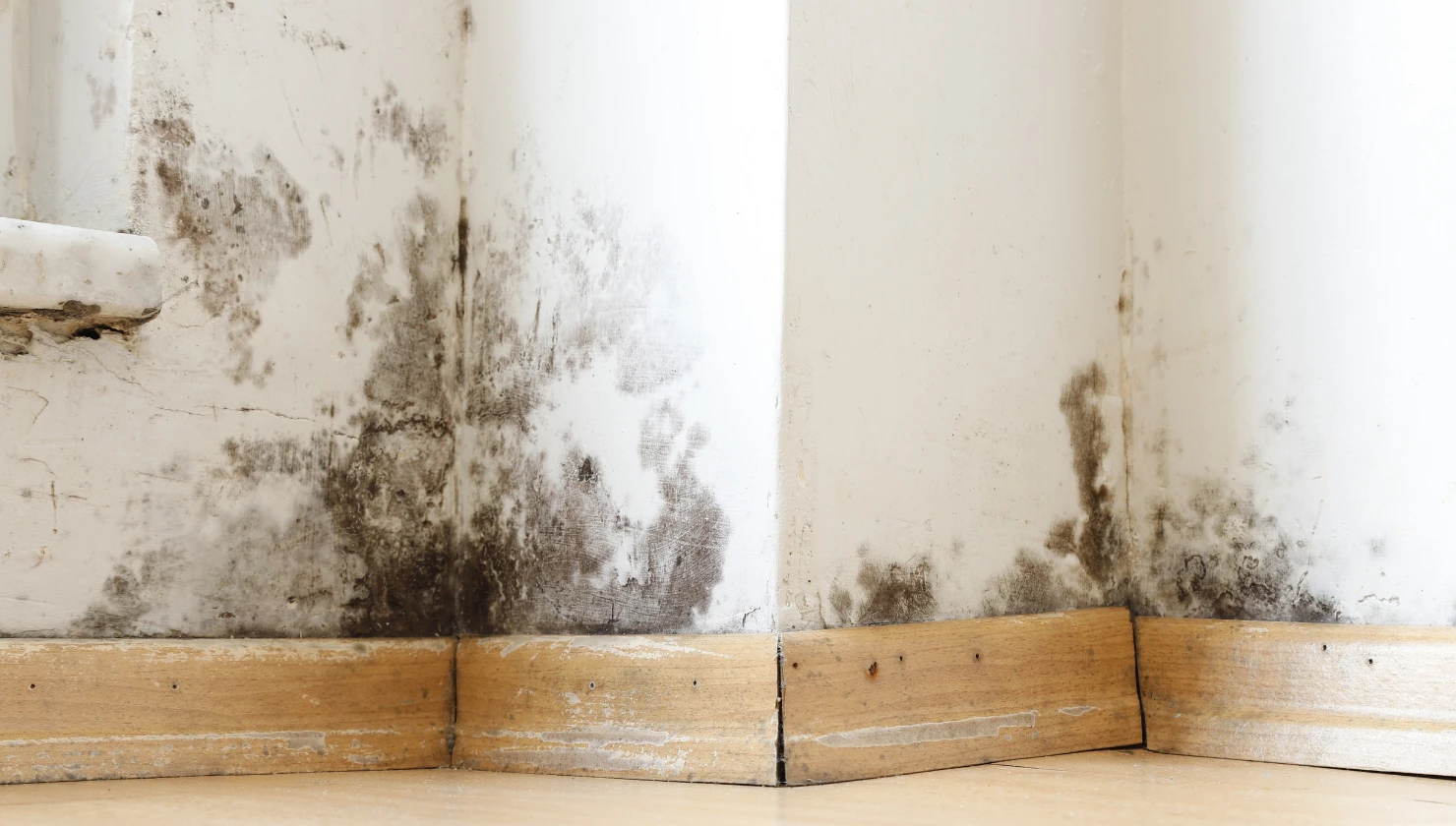
The visual description is easy. Actively growing indoor mold is often dark green, grey-black or true black. Wet, it looks shiny or slimy. Dried out, it goes dusty and powdery. It spreads in irregular patches rather than neat shapes, and it follows moisture, which is why you see it creeping along a baseboard or blooming in the corner of a ceiling.
Now the problem with that description. Dozens of common indoor molds look exactly like that, and plenty of harmless ones do too. Meanwhile the mold that is actually affecting you may be somewhere you cannot see at all.
If that is where you are, black mold symptoms is the more useful starting point. So the question “what does black mold look like” has a tidy answer that will not tell you what you actually want to know, which is usually one of two things: is this dangerous, and is it making me sick. Appearance answers neither.
Black mold is a popular term, not a scientific one. The EPA states plainly that “black mold is not a species or specific kind of mold, and neither is toxic mold.”
Most people using the phrase are thinking of Stachybotrys chartarum, a greenish-black mold associated with chronically wet cellulose materials like drywall and cardboard. It is real. It is also not the only mold that looks like that, and not the only one associated with health complaints.
Mycotoxins are compounds some molds can produce under some conditions. Whether a given mold is producing them depends on environmental and genetic factors, and according to the EPA, “no one can tell whether a mold is producing mycotoxins just by looking at it.”
That last point is the one worth sitting with. Two patches of visually identical mold can differ in whether they are producing anything of concern, and no photograph resolves it.
| Typical appearance | Where it turns up | What it tells you | |
|---|---|---|---|
| Mildew | Flat, powdery, white to grey, sometimes yellowing | Surfaces in humid rooms, tile grout, fabric | Surface moisture problem, usually cleanable |
| Common indoor molds | Green, blue, grey, brown, fuzzy or velvety | Food, damp corners, window frames | Something has been damp |
| So-called black mold | Dark green to black, slimy wet, powdery dry | Chronically wet drywall, wood, ceiling tiles | A sustained water problem, not a brief spill |
The useful column is the last one. What the mold looks like matters far less than how long something has been wet, because that is what separates a wipe-down from a building problem.
This is the part that catches people who have already inspected the obvious places and found nothing.
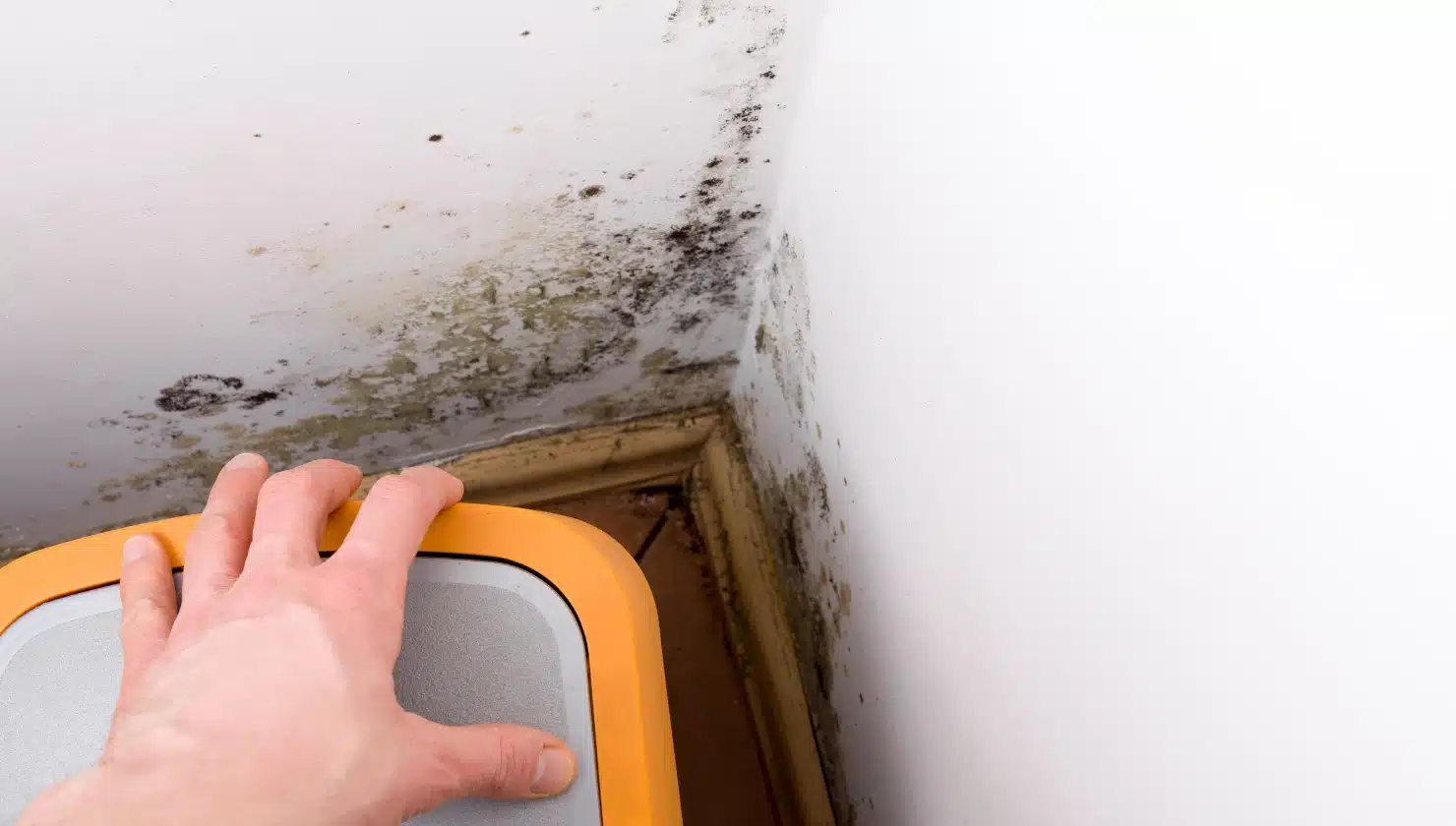
The EPA notes that mold “is frequently found on walls in cold corners behind furniture where condensation forms.” It also identifies hidden locations including:
Which means the visible patch you are photographing may not be the problem, and the absence of a visible patch does not mean the absence of mold. If a building smells musty and nothing is visible, that smell is itself information. There is more on that in what black mold smells like.
For most households, mold is a building maintenance problem. Find the water, fix it, clean up, move on.
For a smaller group it is a health problem, and those people usually arrive having spent months looking at walls when the more useful information was what their body had been doing.
Think about unexplained fatigue, brain fog, recurring sinus problems, headaches, or sleep that does not restore. If any of that started or worsened after moving into a building, the timeline is worth more diagnostically than any photograph of a wall. The pattern is covered in black mold symptoms.
For people whose response has become chronic rather than passing, what CIRS is covers the inflammatory picture underneath it.
Some people are far more affected by the same exposure than others in the same house. That difference is about the person, not the patch, which is another reason identifying the mold by sight answers so little.
For anyone whose symptoms have persisted, mold toxicity testing looks at what is happening in the body rather than on the wall.
There is a fuller walkthrough on how to fix a mold problem.
No. The EPA states that no one can tell whether a mold is producing mycotoxins just by looking at it. Appearance does not establish toxicity.
No. Many common indoor molds appear dark green or black. “Black mold” is a popular term rather than a species, and visual identification cannot separate them.
Not reliably. What matters more is how long the material has been wet, how much growth there is, whether it is hidden, and how the people in the building feel.
That is common and worth taking seriously. The EPA notes mold is frequently found behind furniture, in ductwork, under carpets and behind drywall. A musty smell with nothing visible suggests looking in those places.
The EPA’s guidance is that materials should be dried within 24 to 48 hours to avoid mold growth.
Testing the material tells you what is growing, not whether it is affecting you. If your concern is health, testing the person is usually more informative than testing the wall.
Every source below was checked against the specific claim it supports.
Written and medically reviewed by Dr. Diane Mueller, ND, DAOM, LAc. Dr. Mueller is a naturopathic doctor and licensed acupuncturist who has worked with more than 1,000 patients across the seven states where MyLymeDoc is licensed. Read more about the team.
Last reviewed: August 28, 2026
If mold exposure has left you unwell and nobody has connected the two, you can book an initial visit.
This page is for general educational purposes and is not medical advice. It does not create a doctor and patient relationship, and it is not a substitute for diagnosis or treatment from your own clinician. Always talk with a qualified healthcare provider before starting, stopping, or changing any treatment. If you are experiencing a medical emergency, call 911 or go to the nearest emergency room.
Have Mold Illness or suspect you do?
We have helped thousands of people in Colorado, Oregon, Wyoming, New Jersey, Pennsylvania, Texas, and Wisconsin restore their health and quality of life by diagnosing and treating their Mold Illness.
We have helped thousands of
people restore their health
and quality of life by diagnosing
and treating their Lyme Disease.
“Dr. Mueller’s approach to medicine is refreshing! There is only so much you can do with western medicine and in my life I was needing a new approach. By addressing the whole body, nutritional diet factors, environmental factors, blood work, and incorporating ideas I had not previously known, I was able to break through with my conditions. I am not only experiencing less pain in my life, but through the process of healing guided by Dr. Diane Mueller, I am now happy to say I have more consciousness surrounding how I eat, what to eat and when things are appropriate. Living by example Dr. Mueller has a vibrancy that makes you want to learn and know more about your body and overall health. I highly recommend her to anyone looking for new answers, a new approach to health, or in need of freedom from pain and limitations.”
-Storie S.
Kihei, HI