


A lot of people picture Lyme disease as one obvious thing: a tick bite, a bull’s-eye rash, a quick round of antibiotics, done. I wish it were always that tidy. In real life, the stages of Lyme disease can blur together, hide in plain sight, or show up wearing a totally different costume, fatigue, heart flutters, knee pain, brain fog that makes you forget why you opened the fridge. If you’ve felt brushed off or told it’s “just stress,” this matters. Because symptoms do change over time, and the timing can shape diagnosis, treatment, and how long you stay sick.
Lyme disease progresses through multiple stages, starting with early localized infection often marked by a bull’s-eye rash and flu-like symptoms.
Early diagnosis and treatment of Lyme disease are crucial to prevent dissemination and reduce long-term complications.
Symptoms can evolve to affect multiple systems including joints, nervous system, and heart during the early disseminated stage of Lyme disease.
Late disseminated Lyme disease can cause persistent symptoms like Lyme arthritis, cognitive issues, and fatigue, often requiring comprehensive management beyond antibiotics.
Co-infections and immune system stress can complicate Lyme disease, leading to longer illness duration and symptom severity.
Diagnosis depends on the stage and includes clinical signs like rashes early on and serologic testing, neurological exams, or heart assessments in later stages.
We have helped thousands of people in Colorado, Oregon, Wyoming, New Jersey, Pennsylvania, Texas, Wisconsin, New Hampshire, Alabama, South Dakota, and Vermont restore their health and quality of life by diagnosing and treating their Lyme Disease.

Lyme disease is an infection most often caused by Borrelia burgdorferi, usually passed through the bite of a black-legged tick. After a tick feeds for roughly 24 hours or longer, the bacteria can move from the skin into the bloodstream and then into joints, the nervous system, and sometimes the heart.
That’s the textbook version. Your version may not look so neat.
Some people get the classic rash and flu-like symptoms within days. Others never notice a bite, never see a rash, and only start connecting the dots months later when they’re exhausted, achy, and not quite themselves. That overlap is one reason the ‘what is Lyme‘ conversation often gets confusing fast.
The stages of Lyme disease can vary because of a few big factors: how long the tick fed, how much bacteria was transmitted, your immune response, whether treatment started early, and whether co-infections came along for the ride. And yes, those can change the whole picture. Even StatPearls notes that staging is useful clinically, but real patients don’t always follow the script.
Lyme disease moves through three recognized stages, and for an overview on how fast that happens, see How Fast Does Lyme Disease Progress.
Stage 1 usually shows up 1 to 28 days following the tick bite, while the infection is still near the bite site. This is when the famous erythema migrans, or EM rash, can appear. People call it a bull’s-eye, but that’s only part of the story. It can also be a solid red expanding patch, warm-looking and easy to mistake for a bug bite or skin irritation.
About 70% of people develop an EM rash, but that means a decent chunk don’t. Or they never notice it because it’s on the scalp, behind the knee, or somewhere equally annoying.
Other early symptoms often feel vaguely viral: fever, chills, headache, fatigue, muscle aches, joint pain, swollen lymph nodes, a stiff neck. Basically, the sort of thing that makes you think, “Huh, am I coming down with something?”
That’s why early Lyme gets missed. If you want a broader symptom map, this comprehensive guide on the Symptoms of Lyme Disease lays out how those early signs can shift. And if you have a spreading rash after tick exposure, don’t wait for perfect certainty. Early action matters.
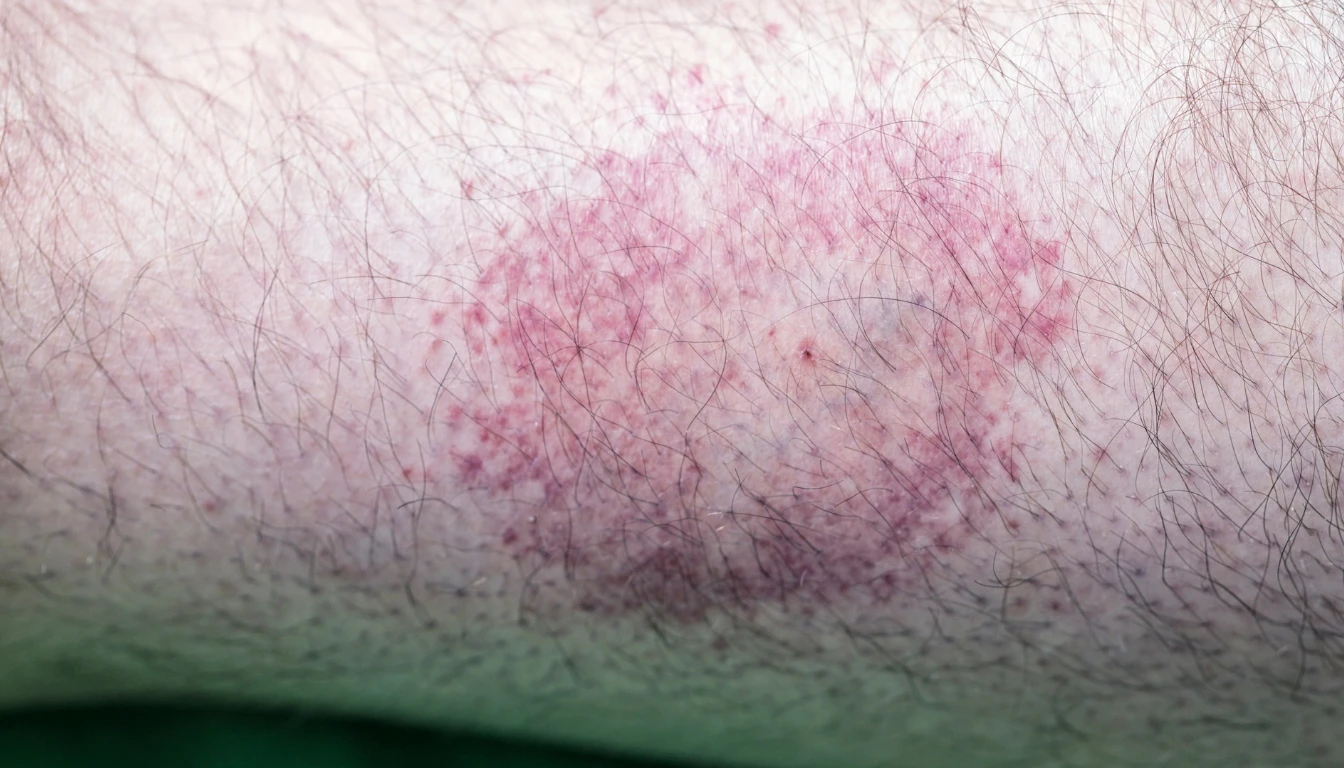
Weeks to months later, untreated Lyme can move beyond the original bite site. This is stage 2, early disseminated Lyme disease. The bacteria travel through the bloodstream, and suddenly the symptom picture gets wider, weirder, and a lot easier to mislabel.
You may see multiple rashes in different places. Pain can migrate, your shoulder one day, your knee the next, then your neck joins the party because apparently nobody invited peace and quiet. Fatigue often deepens. So can headaches, neck stiffness, dizziness, or a strange “off” feeling you can’t fully explain.
This is also the point where Lyme can start affecting specific organ systems. That’s why a simple timeline matters so much in acute vs chronic Lyme. What starts as one rash and a fever can become a multi-system illness if the infection isn’t caught early.
We have helped thousands of people in Colorado, Oregon, Wyoming, New Jersey, Pennsylvania, Texas, Wisconsin, New Hampshire, Alabama, South Dakota, and Vermont restore their health and quality of life by diagnosing and treating their Lyme Disease.
The nervous system is a common target. Some people develop facial palsy, numbness, tingling, radicular pain, meningitis-like headache, or brain fog that feels like your thoughts are moving through wet cement.
The heart can get involved too. Lyme carditis may cause palpitations, chest discomfort, shortness of breath, dizziness, or even fainting because of rhythm problems like AV block. Joint symptoms often become more obvious here, especially intermittent pain in large joints. And the energy crash? That can be brutal. Sleep gets lighter, recovery gets slower, and even normal errands can feel like hiking uphill in winter boots.

Stage 3, or late disseminated Lyme disease, can show up months to years after the initial infection. By then, you may not remember a bite at all. You just know your body stopped acting like your body.
A hallmark problem is Lyme arthritis, often in one or a few large joints, especially the knee. It can come and go, or stick around long enough to derail everyday life. Neurologic symptoms may persist too: slower thinking, memory lapses, poor concentration, neuropathy, sleep disruption, mood changes.
And this is where patients often get told contradictory things. Some are told Lyme can’t still be part of the picture. Others are handed a label without a roadmap. Truthfully, persistent symptoms after infection are real, even if the reasons vary from person to person.
That’s one reason the distinction in Acute vs Chronic matters. If you’re already dealing with long-standing symptoms, a late stage Lyme approach usually has to look beyond the bacteria alone and address inflammation, immune stress, sleep, gut health, refresh pathways, and the order of operations. Sequence matters. A lot.
This is the part many patients feel in their bones before anyone explains it: not all lingering illness is “just in your head.”
Some people stay sick longer because Lyme wasn’t diagnosed early. No rash, vague symptoms, negative early testing, it happens all the time. Others were treated promptly and still feel unwell afterward, a pattern often called post-treatment Lyme disease syndrome.
Then there are co-infections. A single tick can carry more than one pathogen, including Babesia, Bartonella, Anaplasma, or Ehrlichia. That can change the symptom pattern completely, more air hunger, more drenching sweats, more profound fatigue, more inflammation. These co-infections are easier to understand with our Lyme Disease Co-infections Symptoms Comparison Chart.
Immune dysregulation matters too. If your system is already stressed by mold exposure, autoimmune tendencies, chronic gut issues, hormone imbalance, or years of poor sleep, recovery can drag. At clinics like My Lyme Doc, that root-cause lens matters because a stubborn case often isn’t one thing. It’s a stack.
We have helped thousands of people in Colorado, Oregon, Wyoming, New Jersey, Pennsylvania, Texas, Wisconsin, New Hampshire, Alabama, South Dakota, and Vermont restore their health and quality of life by diagnosing and treating their Lyme Disease.
Diagnosis changes with timing. In stage 1, an EM rash is usually enough for a clinical diagnosis, even if lab work is negative. That last part surprises people, but early antibody tests can miss infection because your immune system may not have produced enough detectable antibodies yet.
In later stages, doctors often use two-tier serologic testing: an ELISA or EIA first, followed by a Western blot or second EIA if needed. But tests still need context. A lab result without symptom history, exposure risk, and timeline can mislead just as easily as it can help.
If neurologic Lyme is suspected, cerebrospinal fluid analysis and sometimes neuroimaging may be used. If heart symptoms show up, palpitations, chest pain, fainting, an ECG or echocardiogram may be needed. For swollen joints, joint fluid testing can help sort out Lyme arthritis from other causes.
If your symptoms are spreading, recurring, or just not making sense, take that seriously. The stages of Lyme disease aren’t always tidy, but the pattern still tells a story. And when you catch that story earlier, you give yourself a much better shot at real answers.
Early localized Lyme disease usually appears days to weeks after a tick bite, often featuring an expanding erythema migrans (EM) rash around the bite site in about 70% of cases, along with flu-like symptoms such as fever, headache, fatigue, muscle and joint aches, and swollen lymph nodes.
In early disseminated Lyme disease, which occurs weeks to months after infection, bacteria spread through the bloodstream causing multiple rashes, migrating joint pain, neurological symptoms like facial palsy or meningitis, heart issues such as palpitations, and increased fatigue, reflecting multi-system involvement beyond the original bite location.
Symptoms vary due to factors like how long the tick fed, bacterial load transmitted, each person’s immune response, presence of co-infections such as Babesia or Anaplasma, and whether early treatment was given, making the stages and presentations of Lyme disease less predictable in real patients.
Late stage Lyme disease, occurring months to years after infection, often involves Lyme arthritis predominantly in large joints like the knees, persistent neurological symptoms including memory and concentration difficulties, peripheral neuropathy, sleep problems, and mood changes, sometimes persisting even after initial treatment.
Diagnosis depends on stage; early localized Lyme is often diagnosed clinically by the presence of an EM rash even if lab tests are negative, while later stages rely on two-tier serologic testing and symptom history. Neurologic or cardiac involvement may require specialized tests like cerebrospinal fluid analysis or ECG to confirm Lyme-related complications.
Co-infections transmitted by ticks, such as Babesia or Ehrlichia, can worsen symptoms and prolong illness. Additionally, immune dysregulation from factors like mold exposure, autoimmune conditions, or chronic inflammation can complicate recovery and cause persistent symptoms, underscoring the importance of a comprehensive, individualized treatment approach.
We have helped thousands of
people restore their health
and quality of life by diagnosing
and treating their Lyme Disease.
“Dr. Mueller’s approach to medicine is refreshing! There is only so much you can do with western medicine and in my life I was needing a new approach. By addressing the whole body, nutritional diet factors, environmental factors, blood work, and incorporating ideas I had not previously known, I was able to break through with my conditions. I am not only experiencing less pain in my life, but through the process of healing guided by Dr. Diane Mueller, I am now happy to say I have more consciousness surrounding how I eat, what to eat and when things are appropriate. Living by example Dr. Mueller has a vibrancy that makes you want to learn and know more about your body and overall health. I highly recommend her to anyone looking for new answers, a new approach to health, or in need of freedom from pain and limitations.”
-Storie S.
Kihei, HI