


Written by Dr. Diane Mueller, ND, LAc, DAOM
Naturopathic Doctor | Licensed Acupuncturist | Doctor of Acupuncture and Oriental Medicine
Telehealth Lyme & Mold Specialist — Colorado, Wyoming, New Jersey, Pennsylvania, Texas, Wisconsin
Medical Disclaimer: This article is for educational purposes only and does not constitute medical advice, diagnosis, or treatment. The Buhner protocol involves herbal medicines with real pharmacological effects, potential herb-drug interactions, and clinical contraindications. Do not start, stop, or modify any treatment based on this content without consulting a licensed healthcare provider trained in Lyme disease and herbal medicine.
The Buhner protocol is a multi-herb treatment approach for Lyme disease developed by herbalist Stephen Harrod Buhner, designed to address Borrelia burgdorferi infection through five mechanisms: reducing bacterial colonization, controlling inflammation, supporting the immune system, protecting connective tissue, and managing symptoms.
That sequencing matters. Most of the patient-written blogs ranking for this keyword focus on the herb list. What they skip is the clinical logic behind the protocol and the significant gaps between reading Buhner’s book and safely applying it to a body that may also be carrying mold toxins, Bartonella, MCAS, or immune dysfunction.
I’ve worked with over 1,000 Lyme and mold patients across seven states. Many of them arrive in my practice after months or years of self-treating with this protocol, often without improvement. Some were using the right herbs. Most were missing the right context. This article is that context.
We have helped thousands of people in Colorado, Oregon, Wyoming, New Jersey, Pennsylvania, Texas, and Wisconsin restore their health and quality of life by diagnosing and treating their Lyme Disease.
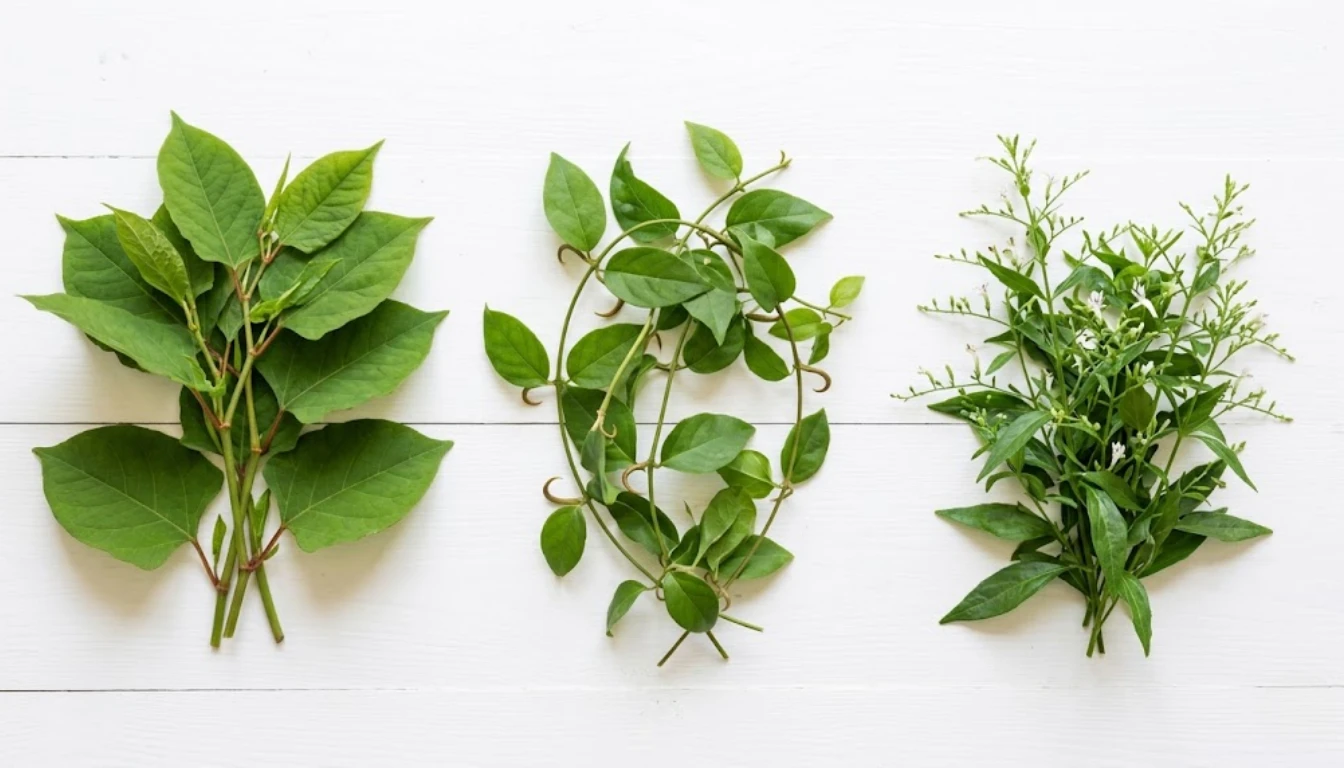
Stephen Harrod Buhner outlined this protocol in his book Healing Lyme (first published in 2005, updated in 2015). The protocol is not a simple “take these herbs and kill the bugs” approach. Buhner’s original framing is that the bacteria itself does relatively little direct damage. The harm comes from how Borrelia hijacks your immune response, degrades your collagen, disrupts the blood-brain barrier, and drives systemic inflammation.
This means the protocol is designed primarily to restore immune function and reduce inflammatory damage, with antimicrobial activity as a supporting role.
Borrelia is a spirochete with an unusual ability to evade immune detection. It suppresses natural killer (NK) cells. It forms biofilms. It penetrates collagen-rich tissues: joints, the nervous system, the heart. And it crosses the blood-brain barrier.
Buhner’s protocol targets these mechanisms specifically:
Japanese knotweed is the backbone of the Buhner protocol. Its primary active compound is resveratrol. In Lyme treatment, its most clinically relevant action is on the central nervous system. It crosses the blood-brain barrier, reduces neuroinflammation, protects myelin, and inhibits the matrix metalloproteinases that Borrelia uses to penetrate the brain.
Buhner’s standard recommendation is half a teaspoon of the powdered root three times daily, or equivalent in tincture. In practice, we titrate up from lower doses, particularly in patients who are mold-burdened or have poor detox capacity.
Cat’s Claw is the immune modulator in this protocol. The POA-rich form shows superior immune-modulating activity. Buhner recommends a TOA-free preparation. From a clinical standpoint, Cat’s Claw supports the immune system’s ability to recognize and respond to Borrelia while also moderating the excessive inflammatory response.
Andrographis is the herb that produces the most noticeable Herxheimer reactions in Lyme patients. It is also the herb with the most significant herb-drug interaction potential in this protocol. It is metabolized via the cytochrome P450 system and can affect plasma levels of drugs processed through the same pathway.
Most people with chronic Lyme disease do not have Lyme alone. Bartonella, Babesia, and Mycoplasma are common co-infections that require additional herbs.
| Co-infection | Primary Herb Additions | Key Consideration |
|---|---|---|
| Bartonella | Houttuynia, Cryptolepis, Japanese Knotweed (higher dose) | Bartonella is neuropsychiatric. Often misdiagnosed as psychiatric illness. |
| Babesia | Cryptolepis, Artemisia, Sida acuta | Babesia is a protozoan — standard Lyme herbs don’t touch it. |
| Mycoplasma | Isatis tinctoria, Andrographis (higher emphasis) | Mycoplasma is intracellular. Requires herbs with intracellular penetration. |
| Ehrlichia/Anaplasma | Isatis, Japanese Knotweed | Acute presentations usually require antibiotics first. |
We have helped thousands of people in Colorado, Oregon, Wyoming, New Jersey, Pennsylvania, Texas, and Wisconsin restore their health and quality of life by diagnosing and treating their Lyme Disease.
A significant percentage of patients with chronic Lyme disease also have mold illness (CIRS). If you start the Buhner protocol while living in a moldy environment, Herxheimer reactions become much more severe and prolonged. Lab markers don’t move the way you’d expect.
In our practice, we screen every Lyme patient for mold illness before initiating any antimicrobial protocol. You can read more about CIRS symptoms and mold illness symptoms on our dedicated pages.
A Herxheimer reaction is a temporary worsening of symptoms that occurs when bacteria die off faster than the body can clear the inflammatory byproducts. Typical Herx symptoms include increased fatigue, worsening brain fog, joint pain flares, headache, and flu-like malaise.
Most patients notice initial changes within 4 to 8 weeks. The 3-month mark is often where meaningful symptom shifts occur. Full stabilization and recovery can take 12 to 18 months of consistent, monitored treatment in complex chronic cases.
The Buhner protocol is not a standalone treatment in our practice. Before any patient starts this or any other antimicrobial protocol, we go through our four-phase approach: build the body first, address the nervous system, targeted detoxification, then targeted microbe balancing.
If you’ve been using the Buhner protocol on your own and aren’t improving, that’s what we’re here for. Our Lyme disease specialist consultations are available via telehealth across Colorado, Wyoming, New Jersey, Pennsylvania, Texas, and Wisconsin.
We have helped thousands of people in Colorado, Oregon, Wyoming, New Jersey, Pennsylvania, Texas, and Wisconsin restore their health and quality of life by diagnosing and treating their Lyme Disease.
The 3 core herbs are Japanese knotweed (Polygonum cuspidatum), Cat’s Claw (Uncaria tomentosa), and Andrographis paniculata. Japanese knotweed addresses neurological inflammation and protects the blood-brain barrier. Cat’s Claw modulates immune function. Andrographis has demonstrated activity against persister forms of Borrelia in laboratory research.
Most patients notice initial changes within 4 to 8 weeks. Meaningful symptom reduction typically takes 3 to 6 months. Full recovery timelines vary depending on how long the infection has been active, which co-infections are present, whether mold or biotoxin burden exists, and whether underlying deficiencies have been addressed first.
Some patients use the Buhner protocol alongside antibiotics, but this requires clinical supervision. Andrographis can affect the metabolism of drugs processed through the liver’s cytochrome P450 pathway.
The herbs are available without a prescription, but self-administration carries real risks: undiagnosed co-infections, unrecognized mold illness, herb-drug interactions, and no way to track progress through objective lab markers.
Herbal protocols like the Buhner protocol are the most evidence-informed natural approach. Effective natural treatment requires more than herbs alone,supporting mitochondrial function, correcting nutrient deficiencies, identifying co-infections, clearing mold burden, and supporting detoxification before applying targeted antimicrobial herbs. See our Lyme disease treatment page for more.
The Buhner Protocol works best when the full picture is clear: co-infections, mold overlap, MCAS, and detox capacity all affect outcomes. I serve patients in CO, WY, NJ, PA, TX, and WI via telehealth.
Initial visit: $300 | Telehealth: CO, WY, NJ, PA, TX, WI
Book an Initial Consultation – $300
Telehealth. No referral needed. Comprehensive intake before your first visit.
We have helped thousands of
people restore their health
and quality of life by diagnosing
and treating their Lyme Disease.
“Dr. Mueller’s approach to medicine is refreshing! There is only so much you can do with western medicine and in my life I was needing a new approach. By addressing the whole body, nutritional diet factors, environmental factors, blood work, and incorporating ideas I had not previously known, I was able to break through with my conditions. I am not only experiencing less pain in my life, but through the process of healing guided by Dr. Diane Mueller, I am now happy to say I have more consciousness surrounding how I eat, what to eat and when things are appropriate. Living by example Dr. Mueller has a vibrancy that makes you want to learn and know more about your body and overall health. I highly recommend her to anyone looking for new answers, a new approach to health, or in need of freedom from pain and limitations.”
-Storie S.
Kihei, HI