


Written by Dr. Diane Mueller
Why does Lyme disease test takes so long? In most cases, the delay comes from three things: your body may need time to make detectable antibodies, the lab may need to run a two-step testing process, and paperwork or shipping can slow everything down.
That wait feels brutal when you’re tired, dizzy, in pain, or wondering if the bite you got after a walk near Central Park in New York City or a weekend in the Hudson Valley changed everything. I’ve worked with many patients in this exact limbo, and I’ve seen the same pattern over and over: a delayed Lyme test result does not always mean nothing is wrong.
This guide explains what actually slows Lyme testing, what a negative result can and cannot tell you, and what you should do while you wait. If you’ve been told “it’s probably stress” but your body says otherwise, start here.
Lyme disease test results often take long because the body needs 2 to 6 weeks to produce detectable antibodies and labs run a multi-step testing process to ensure accuracy.
Standard two-tier testing (STTT) involves a screening test followed by confirmatory testing, which can delay results, especially if samples are sent to reference labs.
Early testing can yield false negatives due to low antibody levels, so retesting 3 to 4 weeks after symptom onset is often necessary.
Logistical issues like lab shipping, paperwork errors, and repeat blood draws frequently contribute to delays in receiving Lyme test results.
A negative or delayed Lyme test does not rule out infection; clinical symptoms and exposure history remain crucial for diagnosis.
While waiting for results, tracking symptoms and exposure details improves communication with your clinician and aids in accurate diagnosis and follow-up.
We have helped thousands of people in Colorado, Wyoming, New Jersey, Pennsylvania, Texas, Wisconsin restore their health and quality of life by diagnosing and treating their Lyme Disease.
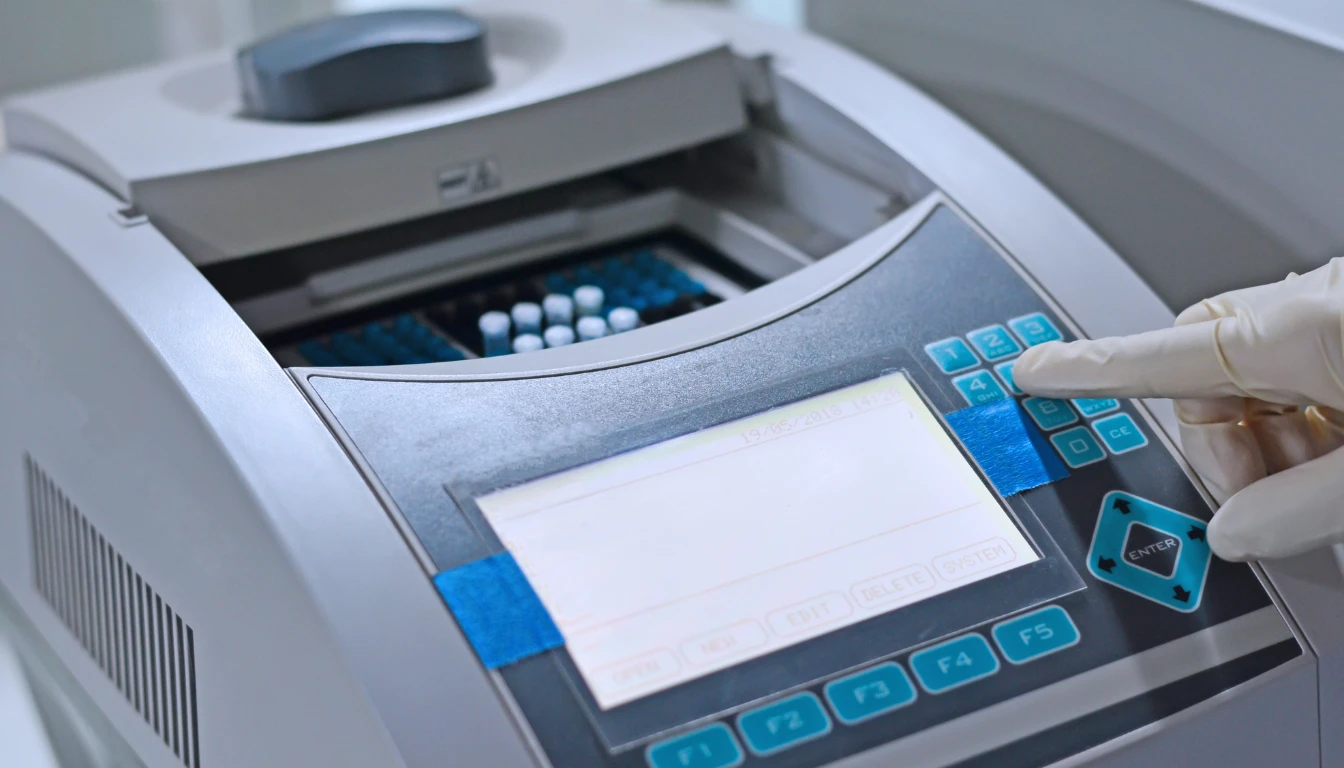
Lyme disease testing is not a quick yes-or-no process because most standard tests do not look for the bacteria directly. They usually look for antibodies your immune system makes against Borrelia burgdorferi, the main bacterium linked to Lyme disease in the United States.
That sounds simple, but it creates a problem. Antibodies do not appear right away. According to the CDC, it can take 2 to 6 weeks after infection for antibody levels to rise enough for a test to detect them. So if you test too early, the result may come back negative even when Lyme is present.
This is one reason patients feel so confused. You can have a tick bite, a flu-like crash, migrating joint pain, or brain fog, and still get an “unremarkable” result on the first round. I’ve seen people assume they were clear, only to retest weeks later and get a different answer.
Take action today: If your symptoms started recently after a possible tick exposure, write down the exact date symptoms began and the date of the bite or outdoor exposure. Do this in 10 minutes before you forget details.
The method matters because different Lyme tests follow different rules and timelines. Standard testing usually uses either:
STTT: standard two-tier testing, often an EIA or ELISA first, then a Western blot if needed
MTTT: modified two-tier testing, which uses two EIAs instead of a Western blot
Both approaches are designed to improve accuracy. But they also add steps. A screening test may finish first. Then, if the result is positive or unclear, the lab runs the second test.
That second step is where many people lose another few days. Some local labs send samples to larger reference labs, and that transfer alone can slow things down.
A second issue is test selection. Not every clinician explains whether they ordered a standard two-tier Lyme panel, a broader tick-borne panel, or something else entirely. And yes, that matters.
Take action today: Call the ordering office and ask for the exact test name. Write down whether it was ELISA/EIA, Western blot, STTT, or MTTT. This takes about 5 minutes.
Timing can change the result. In early Lyme disease, the immune response may still be building. That means a test done in the first few weeks can miss the infection.
This is one of the hardest parts for patients. You did the “right” thing by getting tested early, but early testing can be the least reliable window. The Cleveland Clinic Journal of Medicine and CDC both note that early serologic testing can produce false negatives because antibodies are not yet high enough.
Symptoms still matter here. A rash, known tick exposure, fever, nerve pain, or a sudden shift in energy and cognition can all shape the clinical picture. Testing helps, but history and exam still matter.
If you live in or travel through tick-heavy areas around New York City, Long Island, Connecticut, or wooded parts of the Northeast, tell your clinician that clearly. Geographic exposure raises suspicion.
Take action today: If your first test was done within 4 weeks of symptom onset, ask whether repeat testing in 3 to 4 weeks makes sense for your case.
Standard Lyme testing often takes longer because it is built as a multi-step process. That process is not random. It exists because one test alone can miss cases or create false alarms.
The CDC recommends a two-tier approach. First comes a screening test. If that screen is positive or equivocal, a second confirmatory test follows. Even when both tests use the same blood draw, the lab still has to complete each stage in order.
For patients, this can feel like a black box. You give blood on Monday and expect a simple answer by Tuesday. Instead, the result may sit as “pending” while the next step gets triggered.
Take action today: Ask your provider’s office if your sample is still in step one or if it has moved to confirmatory testing. That one question can cut a lot of uncertainty.
The screening test usually comes first because labs need an initial filter. In standard two-tier testing, that first step is often an EIA or ELISA.
If the screening result is negative, testing often stops there. If the result is positive or equivocal, the lab moves to the second tier. This process helps reduce false positives, but it also means some patients wait longer than others for the final answer.
Here is the simple version:
Negative screen: no second step in many cases
Positive screen: confirmatory testing starts
Equivocal screen: confirmatory testing often starts
This is why two people tested on the same day may get results at different times. One person’s result stops after the first pass. The other person’s sample keeps moving.
Take action today: When you see “pending” in your portal, do not assume the lab lost your sample. Ask whether the screen triggered the next stage.
Confirmatory testing adds time because it requires another level of analysis. In older standard testing, this step was often a Western blot. In modified two-tier testing, it may be a second EIA that uses a different method or target.
Either way, more analysis means more time. Some labs batch confirmatory work on specific days. Some send it to a reference lab. Some hold results until both parts are complete so you receive one final report.
This step can add a few days. Around holidays or during high-volume periods, it can add more. That does not always mean something is wrong. It often means the lab is following the required process.
One honest warning: confirmatory testing is still not perfect in complex chronic cases. If symptoms are strong but results are unclear, a careful clinician should look at the whole story, not just one lab line.
Take action today: If your result has been pending for more than 7 business days, ask whether confirmatory testing, batching, or a send-out lab is causing the delay.
While you’re waiting on human lab results, it’s worth exploring whether free tick testing near you is available, though keep in mind that tick results and human results answer very different questions.
We have helped thousands of people in Colorado, Wyoming, New Jersey, Pennsylvania, Texas, Wisconsin restore their health and quality of life by diagnosing and treating their Lyme Disease.
Most Lyme test delays come from logistics, not just medicine. The sample has to be labeled, processed, transported, analyzed, and reported. A delay can happen at any point.
I’ve seen patients lose a full week because the wrong diagnosis code was attached. I’ve seen repeat draws happen because a sample hemolyzed in transit. It is frustrating, and yes, it happens more often than people realize.
Take action today: If your symptoms are significant, do not wait silently. Call both the ordering office and the lab if needed.
Lab processing and shipping times are a common reason results move slowly. Many clinics do not run Lyme testing in-house. They draw blood locally and send it to a regional or national lab.
That creates several time points:
Blood draw at the clinic or local lab
Transport to a processing center
Initial screening analysis
Confirmatory testing if needed
Final review and release to your portal or doctor
Even when everything goes right, that process can take several business days. Add a weekend, weather delay, or reference-lab handoff, and the wait gets longer.
If you had blood drawn on a Friday in New York City, your sample may not move the same way it would on a Tuesday morning. Timing matters more than people expect.
Take action today: Ask for the date the sample was collected, the date it was shipped, and the lab name. Keep all three in your notes.
Paperwork problems can delay Lyme test results just as much as biology can. A missing provider signature, wrong insurance information, or incomplete order can stall the process before the lab even starts.
Common delay points include:
Insurance verification issues
Wrong or incomplete test order
Missing diagnostic codes
Insufficient sample volume
Need for a repeat blood draw
Repeat draws are especially upsetting. You already waited, maybe fasted, maybe arranged childcare, and then someone tells you the sample was not usable. That is not rare.
If you have ongoing multi-system symptoms, this is also where fragmented care hurts people. One office orders the test. Another receives the result. No one calls. The patient sits in limbo.
Take action today: Confirm your full name, birth date, insurance info, and the exact ordered panel with the front desk before you leave the lab. It takes 3 minutes and can save days.
A negative or delayed Lyme result does not necessarily mean you do not have Lyme disease. It also does not mean your symptoms are imagined, exaggerated, or “just anxiety.”
That distinction matters. A lot. Many patients with chronic fatigue, pain, tingling, dizziness, air hunger, palpitations, or brain fog get dismissed long before anyone takes a proper exposure history.
Take action today: If your result is negative but your story strongly fits Lyme or another tick-borne illness, ask for a visit focused on symptom review and exposure history, not just lab interpretation.
Symptoms and exposure history still matter because Lyme is a clinical diagnosis as well as a lab question. A test result is one piece of the puzzle.
Important clues include:
A known or likely tick bite
Time in wooded, grassy, or deer-heavy areas
A bull’s-eye rash or unexplained summer rash
Flu-like illness after outdoor exposure
New joint pain, nerve symptoms, facial droop, or cognitive changes
Some people never see a tick. Some never get a classic rash. That does not rule Lyme out.
I’ve worked with patients who remembered one tiny detail only later: a weekend hike, a rash behind the knee, a strange fever after yard work upstate. That detail changed the whole workup.
Take action today: Make a one-page timeline with trips, outdoor exposures, rashes, fevers, and symptom onset. Bring it to your next appointment.
Early Lyme and complex cases can be missed on standard testing. This is especially true in the first weeks of infection, before antibodies rise, but it can also happen in patients with more complicated chronic illness patterns.
Some patients are not dealing with Lyme alone. They may also have immune stress, prior antibiotic exposure, mold exposure, gut issues, or other infections that cloud the picture. In those cases, the body does not always present in a neat textbook way.
Another confusing point: antibodies can stay positive for months or years after infection. So a positive test does not always tell you whether the infection is active right now, and a negative early test does not always rule it out. That is why interpretation needs context.
Take action today: If you have strong symptoms but inconclusive testing, ask whether your case needs repeat testing, a broader tick-borne evaluation, or review by a clinician experienced in complex Lyme cases.

While you wait for Lyme test results, do two things: collect useful data and stay organized. This gives your clinician better information and helps you avoid losing another week to confusion.
Do not spend the waiting period refreshing the portal every hour. Use that energy to build a clearer case file. Patients who do this often get better follow-up because the visit becomes more precise.
Take action today: Set a 20-minute timer and start a symptom log now.
Track symptoms and exposure clues in writing. Memory gets unreliable when you are exhausted, inflamed, or scared.
Your log should include:
Date symptoms started
Where you were in the 30 days before symptoms
Tick bites or bug bites you noticed
Rashes, fevers, chills, or swollen nodes
Joint pain, numbness, headaches, dizziness, or brain fog
Anything that improves or worsens symptoms
Be specific. Do not write “felt bad.” Write “July 14: woke with a 100.8 fever, left knee pain, and tingling in both hands after hiking in Westchester.” Specific details help.
Photos help too. Take pictures of rashes, swelling, and facial changes if present.
Take action today: Start a note on your phone and log symptoms once in the morning and once at night for the next 7 days.
Ask exactly what test was ordered and when follow-up should happen. Many patients are told “we ran Lyme labs,” but that phrase is too vague to be useful.
You need clear answers to these questions:
Was it STTT or MTTT?
Was it an ELISA/EIA, Western blot, or both?
When was the sample sent?
When should results return?
If negative, when should retesting happen if symptoms continue?
This matters because early Lyme may need repeat testing in 3 to 4 weeks if suspicion remains high. If no one tells you that, you may assume the case is closed when it is not.
If you are getting care through a complex chronic illness practice such as My Lyme Doc, this is also the time to ask whether your symptoms suggest looking beyond Lyme alone.
Take action today: Send a portal message with those five questions. It takes about 7 minutes.
Sometimes the real issue is not Lyme alone. Lyme can be part of the picture, but not the whole picture.
This is where many sick patients get stuck. They chase one lab result for months while other drivers keep smoldering in the background. I’ve seen this in people with chronic fatigue, sleep disruption, panic surges, chemical sensitivity, sinus issues, hormone swings, and brain fog that feels almost electric. Lyme may matter. Mold may matter. Co-infections may matter. Sequence matters too.
Take action today: If your symptoms span multiple body systems, ask for a broader root-cause review instead of a Lyme-only conversation.
Co-infections, mold exposure, and immune dysfunction can change symptoms and recovery. Ticks can carry more than Borrelia burgdorferi. Some patients may also deal with infections such as Babesia, Bartonella, or Anaplasma. Each can shift the symptom pattern.
Mold exposure is another major miss. Patients may focus on a tick bite but ignore the apartment with visible water damage, the musty HVAC smell, or the office leak above the ceiling tile. In places like New York City, that detail matters more than people think, especially in older buildings.
A broader evaluation may make sense if you have:
Persistent symptoms with negative Lyme tests
Air hunger, night sweats, or unusual anxiety spikes
Strong reactions to moldy spaces or damp buildings
Chronic fatigue, brain fog, and food sensitivity
A history of multiple failed treatment attempts
This is not for every patient with a fresh tick bite and a simple rash. But it is very relevant for people with chronic, layered illness.
For many of these patients, the next right step is not more guessing. It is a structured review of co-infections, mold illness, immune function, gut health, and nervous system stress.
Take action today: Walk through your home or workplace for 15 minutes and note any water damage, musty odors, leaks, or worsening symptoms in specific rooms.
We have helped thousands of people in Colorado, Wyoming, New Jersey, Pennsylvania, Texas, Wisconsin restore their health and quality of life by diagnosing and treating their Lyme Disease.
Why does Lyme disease test take so long? Because the process often depends on antibody timing, two-step lab testing, and plain old logistics.
The key point is this: a delayed result is not a diagnosis, and a negative result is not always the end of the story. If your symptoms, exposure history, and clinical picture raise concern, keep going. Ask better questions. Get the exact test name. Track the timeline. Look at co-infections and mold when the case does not fit neatly.
You are not imagining this. And you do not need to sit in the dark waiting for a portal update to decide your next move.
Do this today: Make one document with your symptom timeline, test dates, exposure history, and follow-up questions. Bring that to your next appointment. It is one of the fastest ways to turn confusion into a real roadmap.
Lyme disease tests take time because your body needs 2 to 6 weeks to develop detectable antibodies, labs follow a two-step testing process, and specimen processing or shipping can cause additional delays.
The CDC recommends two-tier testing: first a screening enzyme immunoassay (EIA or ELISA), and if positive or uncertain, a confirmatory Western blot or second EIA is done to improve accuracy, which adds time to results.
Yes. Early in infection, antibodies may not be high enough for detection, resulting in false negatives. Symptoms and exposure history are vital, and retesting 3-4 weeks later is often advised if suspicion remains high.
Blood samples are often sent to regional or national labs, requiring transport, processing of initial and confirmatory tests, which can take several business days, especially over weekends or holidays.
Track your symptoms and exposure history in detail, confirm the exact test ordered and expected follow-up schedule with your provider, and prepare a timeline document to aid clinical evaluation and decision-making.
Ticks can carry other infections like Babesia or Bartonella and factors like mold exposure and immune dysfunction can complicate symptoms and recovery, so a broader evaluation beyond Lyme testing may be needed for complex cases.
We have helped thousands of
people restore their health
and quality of life by diagnosing
and treating their Lyme Disease.
“Dr. Mueller’s approach to medicine is refreshing! There is only so much you can do with western medicine and in my life I was needing a new approach. By addressing the whole body, nutritional diet factors, environmental factors, blood work, and incorporating ideas I had not previously known, I was able to break through with my conditions. I am not only experiencing less pain in my life, but through the process of healing guided by Dr. Diane Mueller, I am now happy to say I have more consciousness surrounding how I eat, what to eat and when things are appropriate. Living by example Dr. Mueller has a vibrancy that makes you want to learn and know more about your body and overall health. I highly recommend her to anyone looking for new answers, a new approach to health, or in need of freedom from pain and limitations.”
-Storie S.
Kihei, HI