


Hidden mold in walls is mold growing inside or behind wall surfaces after water gets in, and the EPA says to suspect it when a building smells moldy but you cannot see the source. Finding it takes moisture detection and often an experienced professional, because the EPA has set no federal limits for mold and the CDC does not recommend mold testing.
You feel worse at home, your labs came back normal, and you cannot find a single patch of mold. That puzzle is real, and there is a sensible way to work through it.
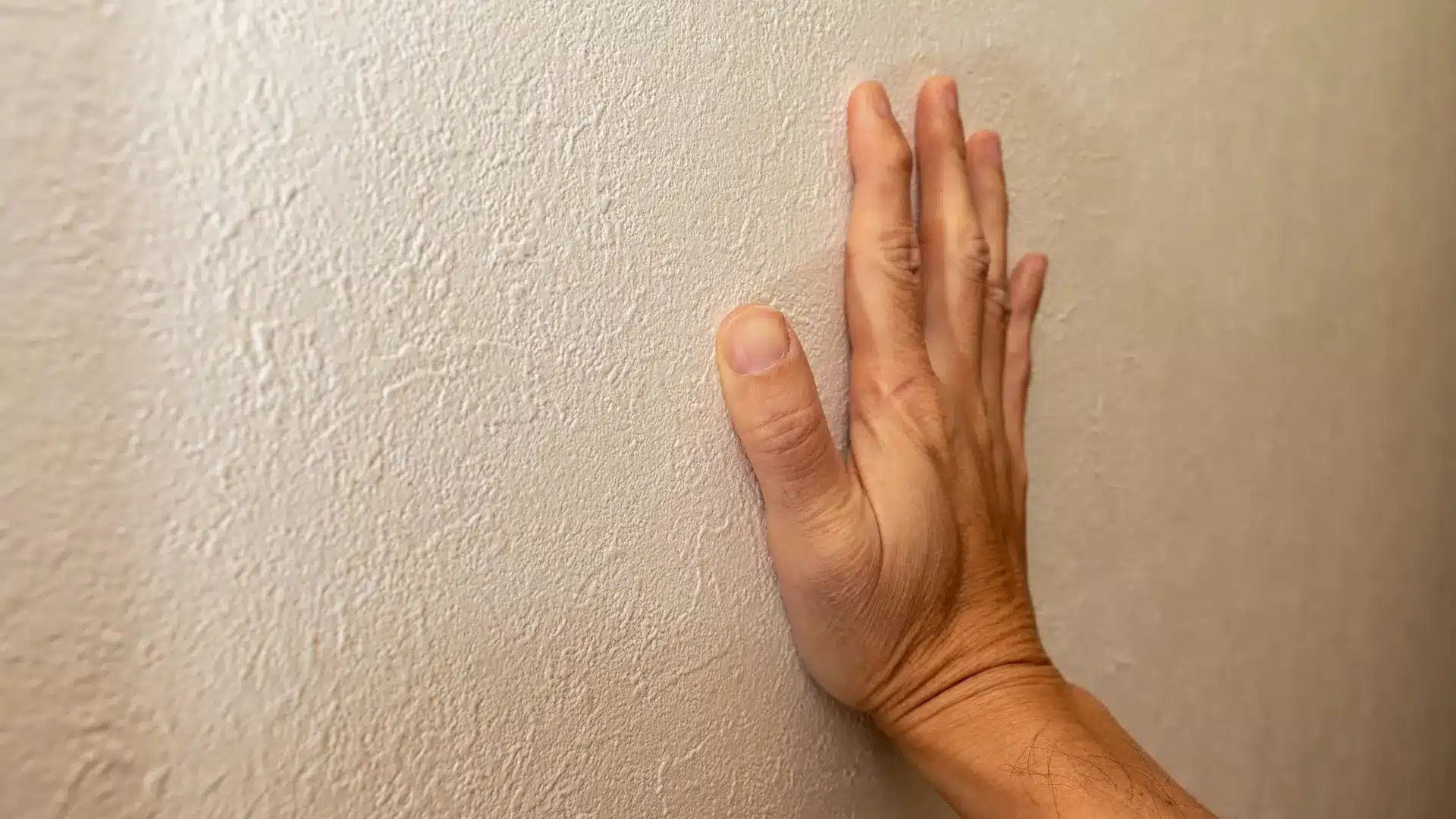
The signs of hidden mold in walls are mostly clues that water reached the wall, because growth behind a surface rarely announces itself.
In the EPA’s plain wording, suspect hidden mold if a building smells moldy but you cannot see the source. Its remediation guide adds two checklist questions: whether occupants report musty or moldy odors, and whether building materials are visibly damaged.
Look for these clues, and treat any one of them as a reason to keep checking:
Building-trade guidance also treats stains, bubbling paint, and soft or warped drywall as common signs of water in a wall. The EPA pages do not list each one, so use them as prompts to look further.
Smell is one clue among several. Our guide on whether you can smell black mold covers that side.
Mold hides wherever a surface stays damp and nobody looks, which is why the back of a wall can be affected while the front looks fine.
Hidden spots named by the EPA include the back of drywall, the area behind wallpaper, the top of ceiling tiles, and the underside of carpets and pads. The agency also lists “areas inside walls around pipes.” One EPA photo caption describes wallboard whose front side “looks fine, but the back side is covered with mold.”
The table below separates what the EPA names from the water-prone spots people most often check.
| Spot | Plain-language reason | Where this comes from |
|---|---|---|
| Inside walls around pipes | Slow plumbing leaks | Named by the EPA |
| Back of drywall and behind wallpaper | Moisture trapped behind a surface | Named by the EPA |
| Ceiling tiles and carpet underside | Roof, pipe, or floor leaks | Named by the EPA |
| Behind and beside showers and tubs | Splash, steam, and caulk gaps | Common water-prone spot |
| Under sinks and around dishwashers | Supply line and drain leaks | Common water-prone spot |
| Around windows | Condensation and frame leaks | Common water-prone spot |
| Basements and lower walls | Seepage and high humidity | Common water-prone spot |
| Exterior walls behind furniture | Cool surfaces, little airflow | Common water-prone spot |
Window air conditioners and wall units are their own case, covered in our guide to black mold in an air conditioner.
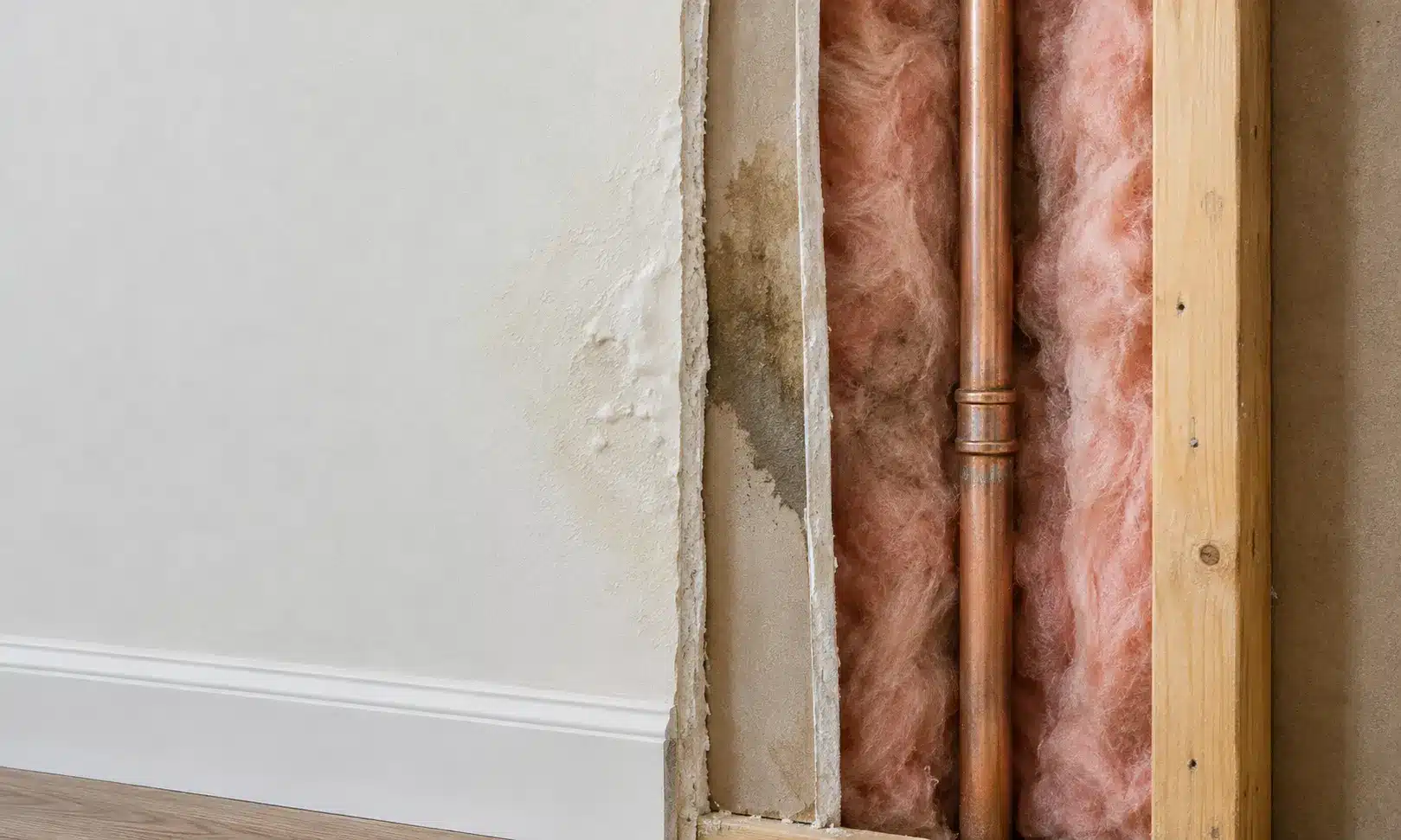
Hidden mold in walls is found by tracing moisture first and then deciding, with a professional, whether any sampling is worth doing.
ERMI, the Environmental Relative Moldiness Index, is a research tool developed by EPA scientists for estimating mold contamination, and the EPA notes it “has not been validated for non-research purposes.” Our page on ERMI testing explains how the dust approach works and where it falls short.
Related testing guides:
WHO and the National Academies link damp, moldy buildings to respiratory symptoms and asthma, and the EPA and CDC describe the same allergic and respiratory effects of mold itself.
None of these sources separates hidden mold from visible mold, and none measures mold inside walls. They describe damp or moldy buildings in general. Here is what each one says.
| Source | What it says | Evidence level |
|---|---|---|
| CDC | Mold can cause “a stuffy nose, sore throat, coughing or wheezing, burning eyes, or skin rash” in some people. People with asthma or mold allergy may react severely. | Effects differ from person to person |
| WHO, 2009 | Occupants of damp or moldy buildings face up to a 75% greater risk of respiratory symptoms and asthma. WHO says strong evidence indicates a health risk. | Strong for respiratory effects |
| National Academies, 2004 | Sufficient evidence of an association between damp indoor spaces and some upper respiratory symptoms, and with cough, wheeze, and asthma symptoms in sensitized people. | Sufficient for those outcomes |
| EPA | Molds produce allergens and irritants. Symptoms other than allergic and irritant types are “not commonly reported.” Research is ongoing. | Allergy and asthma stated, open beyond that |
The WHO guideline review concludes that the most important effects are respiratory symptoms, allergies and asthma. The CDC also notes that people with a weakened immune system or chronic lung disease may get lung infections from mold.
The evidence is strongest for asthma and respiratory symptoms. WHO also lists immune system effects among its most important findings, but none of these sources defines a wider whole-body illness from damp homes, and the EPA says research is ongoing.
Looking at your body as well as your house makes sense when you stay unwell after a search for hidden mold in walls, or when no inspection explains your symptoms.
Testing a house asks whether mold is present. Testing a person asks whether the body is responding to something.
Patterns worth writing down for your clinician:
Our guide to the mold exposure test explains which body tests answer which question.
The full symptom picture is laid out in our page on mold illness symptoms. Tell your clinician about the home even if you suspect Lyme is the main issue, because it gives them context for your timeline.
At My Lyme Doc, Dr. Diane Mueller, ND, LAc, DAOM, builds the body first, then works on lifestyle and the nervous system, gentle detox, and targeted microbe balancing. That order is her 4-Phase Method. Care is by video visit in 11 states. You can book a consultation with Dr. Mueller to talk through your timeline and home history.
The EPA’s home guidance for mold is to fix the water problem first and then remove the mold.
If you use any cleaning product, the EPA warns against mixing chlorine bleach with cleaners that contain ammonia.